For the first time, leaders of the notorious Sinaloa cartel face charges of narco-terrorism in a U.S. federal court, marking a historic attempt to curb the deadly reach of their fentanyl operations.
Key Insights
- The Sinaloa Cartel leaders are charged with narco-terrorism in San Diego federal court.
- The court case is a first, charging drug traffickers with terrorism.
- Charges were made possible after Trump’s executive order designating cartels as terror organizations.
- A profound legal response is crucial in dismantling the cartel’s complex network.
- Nearly 20 million doses of fentanyl seized reflected the Sinaloa cartel’s extensive operations.
Historic Charges in San Diego
Federal prosecutors in Southern California charged Pedro Inzunza Noriega and his son, Pedro Inzunza Coronel, with narco-terrorism. This marks the first-ever instance of drug cartel leaders facing terrorism charges in a U.S. federal court, specifically in San Diego. Following President Donald Trump’s executive order, which designated drug cartels as foreign terrorist organizations, prosecutors deemed it necessary to combat the widespread and deadly consequences of fentanyl trafficking.
U.S. Attorney Adam Gordon emphasized their role as significant figures in the Beltran Leyva Organization, a faction within the Sinaloa cartel. The leaders stand accused of being part of one of the largest fentanyl networks globally. “To the leaders of the Sinaloa Cartel: You are no longer the hunters. You are the hunted,” Gordon warned, signaling a pivotal shift in law enforcement’s approach to curbing cartel influence.
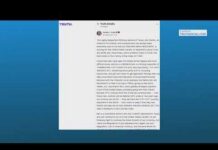
NARCO-TERRORISM: Sinaloa Cartel Leaders Indicted on Narco-Terrorism and Drug Trafficking Charges
The U.S. Department of Justice unsealed an indictment on May 13, 2025, charging Pedro Inzunza Noriega and his son, Pedro Inzunza Coronel, leaders of the Beltran Leyva Organization… pic.twitter.com/yG9TlgrLAm
— Auden B. Cabello (@CabelloAuden) May 14, 2025
Magnitude of Their Operations
The indictment reveals that Sinaloa cartel operatives have shifted towards a more substantial international presence, impacting countries like Guatemala, Panama, and Costa Rica. A recent raid led to the confiscation of over 1.65 tons of fentanyl, exposing the scope of their operations. Despite these arrests, the cartel’s potential trial could face challenges, given the unique application of U.S. terrorism statutes in this context.
“The Sinaloa Cartel is a complex, dangerous terrorist organization and dismantling them demands a novel, powerful legal response. Their days of brutalizing the American people without consequence are over — we will seek life in prison for these terrorists,” stated Attorney General Pamela Bondi.
This case underscores the effectiveness of labeling drug cartels as terror groups, as it empowers U.S. prosecutors with broader tools and mandates to arrest and prosecute these criminals under more severe terms. Traditionally, these crimes have been treated under drug conspiracy charges, which may not adequately reflect the severity of their operations.
Challenges Ahead for Prosecution
Despite the sweeping charges, the nine-page indictment lacks elaboration on the narco-terrorism specifics. This could pose challenges as prosecutors face defense lawyers contesting the terrorism designation. While prosecutors push for robust action, including life imprisonment for the accused, they must first navigate these legal uncertainties.
The indictments await their future in the judicial system, potentially setting a precedent for how international drug cartels are prosecuted. Until the courts decide, the charges act as a stark warning to other cartels operating under similar capacities. These developments suggest a resolve to protect communities across the Americas from the perils of cartel-driven substance trafficking.
Sources:
- For first time, Sinaloa Cartel leaders charged with terrorism in federal court, in San Diego
- Prosecutors Charge Sinaloa Cartel Operatives With Terrorism Crimes – The New York Times
- Sinaloa cartel leaders indicted in ‘first in the nation’ case of ‘narco-terrorism’ | Border Report
- Prosecutors Charge Sinaloa Cartel Operatives With Terrorism Crimes – DNyuz