Russia launches its most devastating strike on Ukraine in months, leaving dozens dead as Putin makes good on his promise of “hellfire retaliation” against Zelenskyy’s government.
Key Takeaways
- Russia has launched a massive coordinated missile and drone attack across multiple Ukrainian cities, including Kyiv, in what Moscow claims is retaliation for Ukrainian “terrorist acts”
- The assault involved hundreds of high-precision weapons launched from air, sea, and land, targeting military installations but causing civilian casualties and infrastructure damage
- President Trump has characterized the conflict as two nations that need to “fight for a while” before peace can be achieved, suggesting continued U.S. support for Ukraine while pursuing diplomatic solutions
- North Korea’s Kim Jong-un has pledged “unconditional support” to Russia, potentially escalating the conflict’s global implications
- Recent peace talks in Istanbul ended without progress as Russia rejected calls for an unconditional ceasefire
Russia’s Massive Retaliatory Strike
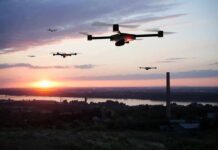
Russia has unleashed what military analysts are calling its most significant aerial assault on Ukraine in recent months, striking targets across multiple cities including the capital Kyiv. The Russian defense ministry confirmed the operation, stating it was conducted using “high-precision long-range weapons” launched from air, sea, and ground platforms. The attack has resulted in multiple civilian deaths and injuries, with significant damage to residential buildings and critical infrastructure in densely populated areas. Ukrainian emergency services continue rescue operations in several locations where buildings have collapsed or caught fire.
Moscow has explicitly framed these strikes as a response to what it claims were “terrorist acts by the Kyiv regime.” This justification comes days after Ukrainian forces reportedly conducted drone strikes that destroyed several Russian bomber aircraft at military air bases deep inside Russian territory. The escalation marks a dangerous new phase in the conflict as both sides increase attacks on strategic military assets within each other’s territories, raising concerns about further expansion of the war’s scope and intensity.
🇷🇺🇺🇦Russian military bloggers claim that Russia is preparing for a massive missile and drone attack on Ukraine in retaliation for 'Operation Spider Web.'‼️‼️‼️
— WW3 Monitor (@WW3_Monitor) June 2, 2025
Devastating Impact on Ukrainian Cities
The scale of destruction across Ukraine has been substantial, with Kyiv experiencing explosions and fires in multiple districts. A 16-story residential building in the capital caught fire, and damage was reported to metro tracks. In Ternopil, local officials described the attack as the “most massive air attack on our region to date,” with damage to homes, schools, and government facilities. The city of Lutsk was hit by 15 drones and six missiles, leaving five people injured. These coordinated strikes demonstrate Russia’s continued ability to overwhelm Ukrainian air defenses despite Western military aid.
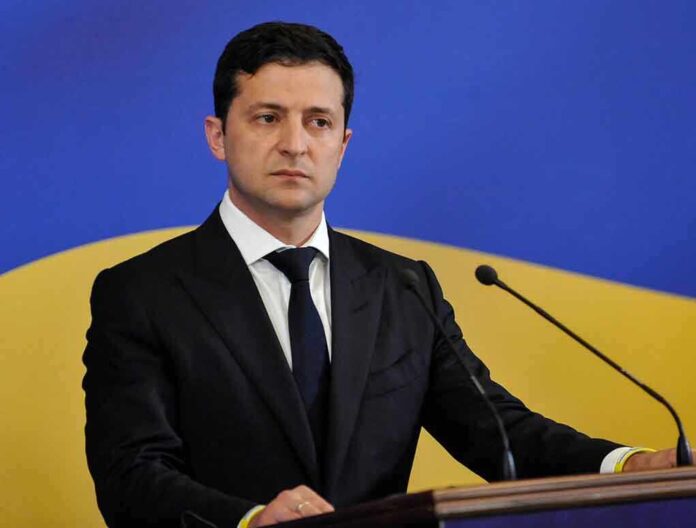
“Now is the moment when America, Europe and everyone in the world together can stop this war by putting pressure on Russia. If someone does not put pressure and allows the war more time to take lives, this is complicity and responsibility,” said Ukrainian President Volodymyr Zelenskyy.
The International Atomic Energy Agency has reported gunfire at the Zaporizhzhia nuclear power plant, likely targeting drones, though no immediate damage was reported. This incident underscores the continuing danger to critical nuclear infrastructure that could have catastrophic regional consequences if compromised. Ukrainian citizens have endured increasing hardship as Russia’s targeting of energy infrastructure has led to rolling blackouts and reduced heating capacity as winter approaches.
International Reactions and Geopolitical Implications
President Trump has taken a pragmatic approach to the conflict, suggesting that sometimes warring parties need to exhaust themselves before productive peace negotiations can occur. This stance reflects his administration’s focus on ultimately achieving peace while maintaining support for Ukraine’s defense against Russian aggression. The administration continues to pursue a balanced approach that prevents NATO from being drawn directly into the conflict while pressuring both sides toward eventual diplomatic resolution.
“Sometimes you’re better off letting them fight for a while and then pulling them apart,” said Trump.
North Korean leader Kim Jong-un has expressed “unconditional support” for Russia during a meeting with Russian security official Sergei Shoigu, signaling the growing alliance between these adversaries of the West. This relationship has reportedly included North Korean troops being deployed to assist Russian forces and weapons transfers to support Moscow’s war effort. Meanwhile, recent peace talks in Istanbul ended without progress, with Russia rejecting demands for an unconditional ceasefire as Putin appears determined to achieve military dominance before considering serious negotiations.
Escalating Cycle of Attacks and Counterattacks
The brutal pattern of strikes and counterstrikes has intensified in recent weeks. Ukraine’s successful targeting of Russian strategic bomber bases has demonstrated its growing capability to strike deep inside Russia, likely with Western intelligence support. These Ukrainian operations have damaged aircraft capable of launching nuclear weapons, crossing what some Russian officials consider a red line. In response, Moscow has shown it can overwhelm Ukrainian air defenses with massive coordinated strikes using a mixture of missiles and drones from multiple directions.
“In response to terrorist acts by the Kyiv regime, the Russian armed forces overnight launched a massive strike with high-precision long-range air-, sea- and ground-based weapons, as well as attack drones,” said Moscow’s defence ministry.
Russia claims to have shot down 174 Ukrainian drones and intercepted Neptune missiles over the Black Sea in recent days, highlighting the increasingly technological nature of this conflict. Both sides are deploying advanced weaponry and tactics in what has become Europe’s largest conventional military confrontation since World War II. With North Korea’s growing involvement and continued Western support for Ukraine, the war risks further internationalization and escalation beyond the immediate battlefield.