America’s air travel system is buckling as the government shutdown approaches a month, and a former FAA official warns that the worst disruptions are still ahead—casting doubt over the safety and reliability of every flight in the country.
Story Highlights
- Shutdown at 27 days sparks cascading flight delays and cancellations
- FAA staffing shortages leave major airports vulnerable, including hours without air traffic controllers
- Experts warn of a system-wide breakdown if the shutdown persists
- Airlines, travelers, and federal employees face mounting uncertainty and financial strain
How a Prolonged Shutdown Became a National Crisis
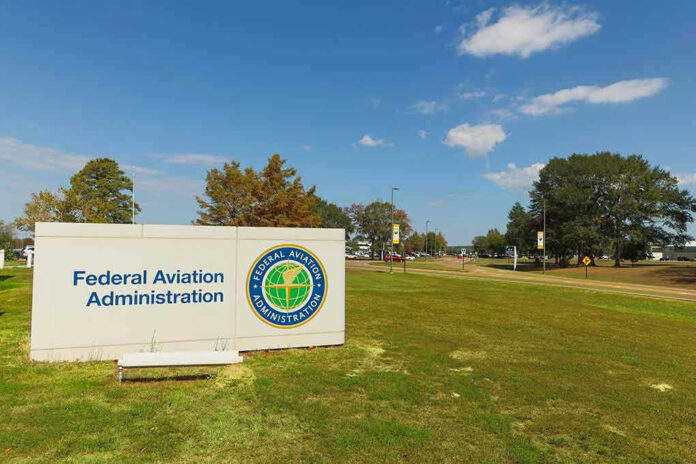
Since October 1, 2025, the federal government shutdown has forced the U.S. air travel system into a slow-motion breakdown. The FAA, starved of critical funding, reports severe staffing shortages at 21 air traffic control facilities, leaving the nation’s busiest airports exposed to risk and delays. On October 6, Hollywood Burbank Airport operated for over five hours without any air traffic controllers, an incident that left hundreds stranded and raised new fears about safety. The system’s vulnerability is no longer hypothetical; cascading disruptions have become daily reality, affecting travelers and industry alike.
Flight delays and cancellations have surged to unprecedented levels, with more than 1,400 flights delayed on October 27—just a day after 8,600 delays clogged airports nationwide. The FAA now admits it must slow traffic into some airports to maintain safety, while staffing gaps force controllers and TSA agents to work without pay, leading to increased absenteeism. Airlines for America, the primary advocacy group for U.S. carriers, warns these shortages are straining the entire system, pushing it closer to a tipping point where reliability and safety can no longer be guaranteed. Congress remains gridlocked, and every day of inaction compounds the crisis.
The Human Cost: Essential Workers on the Brink
Essential federal employees—air traffic controllers and TSA agents—have become the linchpin of the nation’s transportation network. While required to work without pay, many face mounting financial stress, driving up absenteeism rates and threatening the system’s fragile balance. The shutdown’s impact is not confined to a single region: it ripples outward, affecting major airports from New York to Los Angeles and every traveler who depends on predictable, safe flights. With every shift, these workers are asked to do more with less, raising new concerns about performance and safety as fatigue sets in.
Jeffrey C. Price, an aviation expert from Metropolitan State University of Denver, notes that controllers are experiencing unprecedented levels of stress. If the shutdown persists, he warns, the cumulative pressure could erode their ability to maintain the world’s safest airspace. Airlines for America insists that flying remains safe for now, but acknowledges that the system cannot absorb further strain indefinitely. The warning is clear: if Congress fails to restore funding, America’s reputation for reliable air travel could unravel, with consequences reaching far beyond missed connections.
Ripple Effects: Travelers, Airlines, and the Economy at Risk
Travelers, especially those with urgent or business needs, are hit hardest by delays and cancellations. Frustration mounts as plans are upended, and uncertainty becomes the new normal. Airlines scramble to reroute flights and placate customers, absorbing financial losses and operational headaches. The broader travel and tourism sector, dependent on steady traffic, faces economic fallout as reliability fades. The aviation industry’s reliance on federal employees for critical operations makes it uniquely vulnerable to government shutdowns, and a prolonged crisis threatens to disrupt supply chains and logistics across the country.
Pressure is mounting on Congress to resolve the deadlock. Every day of delay amplifies the political stakes, as lawmakers face public scrutiny for forcing essential personnel to work without pay and risking the stability of the national airspace. The shutdown’s legacy could be lasting: diminished public confidence in air travel, economic losses for airlines and related industries, and a sobering lesson in the fragility of America’s most vital infrastructure. For now, the open question remains: how much longer can the system hold?