President Trump is set to tackle a new project on the National Mall, promising to rid it of what he calls “Biden filth and incompetence.”
Story Overview
- Trump announced plans to renovate the Lincoln Memorial Reflecting Pool.
- The announcement is part of Trump’s “Making DC Beautiful Again” initiative.
- Critics worry about the impact on historic landmarks.
- The project underscores Trump’s extensive renovation efforts during his second term.
Trump’s Ambitious Renovation Plans
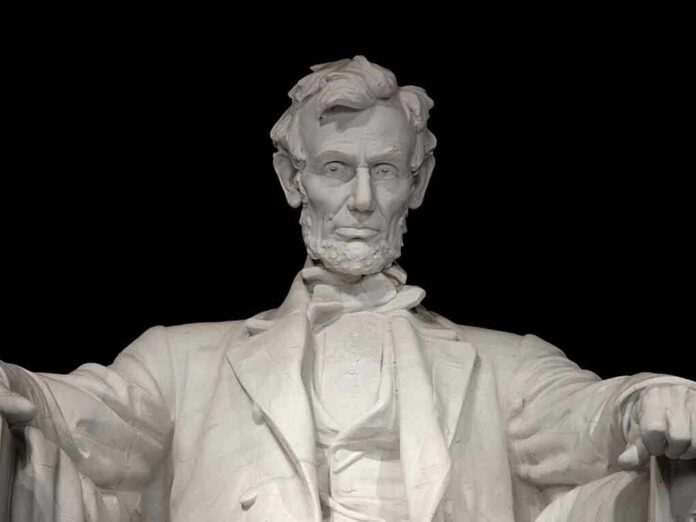
President Donald Trump has unveiled plans to renovate the Lincoln Memorial Reflecting Pool on the National Mall, an iconic feature completed in 1923. Trump announced his intentions on November 26, 2025, via Truth Social, where he shared a video showing algae accumulation in the pool. This move is part of his broader “Making DC Beautiful Again” initiative, aimed at transforming federal spaces. Critics, however, view this as an excessive and potentially destructive effort toward historic landmarks.
The Reflecting Pool, known for its serene beauty and historical significance, stands as a symbol of American heritage. Trump’s recent renovations have sparked controversy, with critics accusing him of prioritizing aesthetic changes over preservation. The announcement has prompted discussions about the balance between modernization and maintaining the architectural integrity of national landmarks. The Reflecting Pool’s proposed renovation raises questions about the scope of executive authority and the oversight mechanisms in place to protect these historic sites.
Historical Significance and Recent Developments
The Reflecting Pool, designed to reflect the Washington Monument and Lincoln Memorial, has been a central feature of the National Mall for over a century. Trump’s announcement comes on the heels of several controversial renovation projects, including the demolition of the East Wing for a ballroom and the paving of the Rose Garden. These projects have been criticized for their impact on historic preservation and architectural standards, particularly given the absence of the Commission on Fine Arts, which Trump disbanded earlier in the year.
The Department of the Interior, through Secretary Doug Burgum, has expressed support for the initiative, aligning with Trump’s vision of beautifying federal spaces. However, the lack of specifics regarding the Reflecting Pool’s renovation plan, timeline, and budget raises concerns about transparency and accountability. With no formal proposals or environmental assessments released, the project remains in the preliminary stages, leaving many stakeholders, including the National Park Service and historic preservation advocates, in a state of uncertainty.
Stakeholder Concerns and Power Dynamics
Key stakeholders such as the National Park Service, Congress, and historic preservation advocates have expressed concerns about the potential implications of the renovation. The absence of the Commission on Fine Arts, which traditionally provides oversight on federal architectural projects, further complicates the situation. Trump’s ability to bypass traditional checks and balances has intensified debates about executive power and its impact on federal property management. The administration’s focus on these projects, amidst broader national challenges, raises questions about prioritizing resources.
Trump teases major National Mall makeover to address 'Biden filth and incompetence' https://t.co/XNb81jpnqh
DO NOT TOUCH THE REFLECTING POOL, HAVEN'T YOU RUINED ENOUGH OF AMERICAN HISTORY & IT'S PEOPLE ALREADY YOU SICK FK!— @liberallady.bsky.social (@BatchLiberal) November 26, 2025
The consolidation of decision-making power within the executive branch, as demonstrated by the firing of the Commission on Fine Arts, underscores the shifts in power dynamics. While Secretary Burgum’s alignment with Trump’s initiative reflects internal support, the White House architect’s concerns about the ballroom project suggest tensions regarding the feasibility and proportionality of these renovations. As the project progresses, the debate over the balance between modernization and preservation will likely continue to intensify.