South Florida men face trial in Miami for plotting the brutal assassination of Haiti’s president, exposing dangerous foreign conspiracies hatched on American soil.
Story Snapshot
- Jury selection completed March 10, 2026, for four South Florida defendants charged in the 2021 murder of President Jovenel Moïse.
- Moïse shot 12 times in his home; widow Martine Moïse, injured in the attack, expected to testify against the plotters.
- Plot organized from South Florida, including weapon purchases in Miami, justifying U.S. federal jurisdiction over this international crime.
- Haiti leaderless since assassination, with gangs fueling chaos and driving migration waves toward Florida communities.
- Opening statements set for March 11, 2026, as U.S. prosecutors seek justice amid Haiti’s political vacuum.
Trial Underway in Miami Federal Court
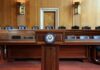
Jury selection concluded on March 10, 2026, at the Wilkie D. Ferguson Jr. U.S. Courthouse in downtown Miami. Federal prosecutors question over 100 potential jurors to ensure impartiality. The panel consists of 12 jurors—eight women and four men—plus four alternates, three men and one woman. At least two jurors trace descent to Haiti, and four identify as Black. This diverse jury now hears the case against four South Florida men accused of conspiring to kidnap and kill Haitian President Jovenel Moïse. Opening statements begin March 11 at 9:30 a.m., with 45 minutes allotted per side.
Defendants and Plot Details
Arcangel Ortiz, Antonio Intriago, Walter Veintemilla, and James Solages face charges for their roles in the July 2021 ambush. Gunmen stormed Moïse’s private residence in Haiti, shooting the president 12 times. His wife, Martine Moïse, suffered injuries during the attack. The plot originated in South Florida, where defendants coordinated recruitment of Colombian mercenaries. Weapons purchased in Miami enabled the assault. Attackers shouted “DEA” to impersonate a U.S. operation, a tactic that failed. A fifth defendant, Haitian-American pastor Christian Sanon, remains absent due to health issues.
Haiti’s Instability and U.S. Ties
Haiti plunged deeper into chaos after Moïse’s death, lacking a president since July 2021. Gangs control swaths of territory amid violence surges and no elections. Moïse ruled by decree since 2020 following parliament dissolution over corruption claims and delayed polls. The 2017 election faced fraud accusations, fueling pre-assassination unrest with fuel shortages. U.S. jurisdiction stems from South Florida’s central role in plot assembly. This trial underscores American legal power addressing foreign crimes planned domestically, protecting national security from mercenary networks.
Conservatives value strong borders and law enforcement against threats like these cross-border plots. President Trump’s focus on deportations and security counters the migration fallout from Haiti’s collapse, strained by Biden-era lax policies that overwhelmed Florida. This case highlights why prioritizing U.S. sovereignty matters, deterring foreign chaos spilling into American communities through unchecked immigration.
Key Testimony and Broader Impacts
Martine Moïse, prosecution witness and influential post-assassination figure, prepares to testify. Some unverified Haitian reports question her role, but U.S. prosecutors target the South Florida organizers. Verdict could spur Haitian extraditions and revelations about higher-level involvement. Short-term, it disrupts local Haitian diaspora in Miami. Long-term, exposing these plots deters interventions while Haiti battles gang dominance. Caribbean instability weakens regional security, boosting illegal migration to Florida and testing U.S.-Haiti ties.
Trial opens in Miami for 4 men charged in Haitian President Jovenel Moise's assassination @WashTimes https://t.co/vGElhUHhlN
— Washington Times Local (@WashTimesLocal) March 10, 2026
U.S. prosecutors emphasize the South Florida base, setting precedent for overseas plot prosecutions. Haiti depends on trial outcomes for accountability amid its vacuum. This high-profile case draws global eyes, reinforcing limited government intervention abroad while upholding justice through American courts.
Sources:
Jury Selection Begins in Miami for Men Accused of Haitian President’s Murder
Jury selection begins in Miami for men accused of Haiti president’s murder
Miami Herald article on the trial