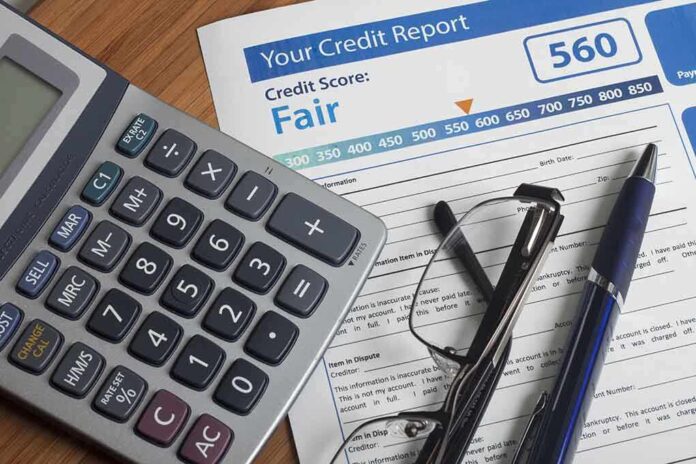
Breaking free from credit card dependency requires more than willpower—it demands a complete overhaul of financial habits that many Americans struggle to implement despite knowing the consequences of mounting debt.
At a Glance
- Creating a comprehensive budget is the foundation for reducing credit card reliance and tracking necessary expenses
- Switching to cash for non-essential purchases can increase spending awareness and reduce impulsive buying
- Debt reduction strategies like the high-interest method or snowball approach provide structured paths to financial freedom
- Building an emergency fund prevents using credit cards as a financial safety net during unexpected situations
- Implementing a 24-hour rule for purchases helps combat impulse spending and emotional buying decisions
Understanding Credit Card Dependency
Credit cards offer convenience, rewards, and the ability to build credit history when used responsibly. However, their ease of use often leads to dependency and mounting debt. The average American household carries thousands in credit card debt, with high-interest rates creating a cycle that’s difficult to escape. Understanding credit card features—including limits, interest rates, grace periods, and fees—is essential before developing strategies to reduce reliance on these financial tools that can quickly turn from helpful to harmful.
“The best way to get rid of credit card debt is to develop a plan and stick to it.” Bank of America
Recognizing problematic credit card habits is the first step toward reform. Signs include regularly carrying balances month-to-month, making only minimum payments, using cards for everyday necessities, feeling anxious when checking statements, or experiencing reduced credit scores. These indicators suggest credit cards have shifted from a convenience to a crutch, potentially harming long-term financial health and limiting options for future goals like homeownership or retirement security.
Creating a Budget-Centered Approach
A comprehensive budget serves as the foundation for breaking credit card dependency. Start by thoroughly documenting all income sources and categorizing expenses as either essential (housing, utilities, food) or non-essential (entertainment, dining out). This clarity helps identify spending leaks that often lead to credit card reliance. Many financial experts recommend the 50/30/20 rule—allocating 50% of income to needs, 30% to wants, and 20% to savings and debt repayment—as a starting framework for those trying to reform credit habits.
Digital tools can strengthen budgeting efforts when transitioning away from credit dependence. Apps that categorize spending, track payment due dates, and visualize debt reduction progress provide accountability and motivation. Some apps specifically help users identify emotional spending triggers or unnecessary subscriptions that drive credit card usage. This technological assistance makes the abstract concept of financial management more concrete, giving users immediate feedback on their progress toward reduced credit reliance.
Practical Strategies for Reducing Card Usage
The “invisible money” syndrome makes credit card spending feel less consequential than using physical cash. Combat this psychological trap by switching to cash for non-essential purchases. This tangible approach creates a stronger emotional connection to spending and naturally limits purchases to available funds. Some financial advisors recommend the envelope system—allocating specific cash amounts to different spending categories each month—as a structured way to implement this strategy while maintaining spending flexibility.
“When you pay more than the monthly minimum, you’ll pay less in interest overall.” Bank of America
Implementing a 24-hour rule for non-essential purchases provides a cooling-off period that can significantly reduce impulse spending. This simple delay allows time to evaluate whether the purchase aligns with financial goals or just satisfies a momentary desire. For online shopping, remove saved credit card information from accounts and delete shopping apps from devices to create additional friction in the purchasing process. These barriers often provide enough pause to reconsider unnecessary purchases that would otherwise increase credit card balances.
Debt Reduction Methodologies
Two primary approaches exist for tackling existing credit card debt while working to break the dependency cycle. The high-rate method focuses first on the card with the highest interest rate, directing extra payments to that balance while maintaining minimum payments on others. This mathematically efficient approach minimizes overall interest paid. Alternatively, the snowball method targets the smallest balance first, providing psychological wins as accounts are completely paid off, which can maintain motivation during the debt reduction journey.
For those with good credit scores despite high balances, debt consolidation presents another option. Balance transfers to lower-interest cards, personal loans, or home equity lines of credit can combine multiple high-interest balances into a single, lower-rate payment. This approach simplifies the repayment process and reduces total interest costs, though it requires discipline to avoid accumulating new debt on the freed-up credit cards. Some may benefit from professional credit counseling, which provides structured plans and creditor negotiations.
Building New Financial Habits
Establishing an emergency fund represents a critical step in breaking credit card dependency. Even a modest initial goal of $1,000 can prevent using credit cards for unexpected expenses like car repairs or medical bills. Gradually building this fund to cover 3-6 months of essential expenses provides long-term financial security and removes the justification for keeping credit cards as an “emergency backup.” This safety net fundamentally changes the relationship with credit from necessity to choice.
Replacing credit card rewards with meaningful financial goals creates new motivation systems. Instead of chasing points or cash back, focus on milestones like becoming debt-free, reaching emergency fund targets, or saving for experiences without borrowing. Creating visual representations of progress toward these goals—whether through apps, charts, or simple notebook tracking—provides the same psychological satisfaction that reward programs exploit, but leads toward financial independence rather than continued credit reliance.