Every year, millions of Americans ask the same question: if nearly everyone hates losing sleep and resetting clocks, why does Daylight Saving Time still rule our lives?
Story Snapshot
- Despite broad bipartisan support, efforts to abolish the twice-yearly clock change remain stalled in Congress
- States eager for change face legal barriers without federal action
- The public is divided over which time system should be permanent, fueling political gridlock
- Health, business, and daily life remain caught in the crossfire of federal indecision
Why the Clock Still Rules: The Gridlock Behind Daylight Saving Time
In the United States, the movement to end Daylight Saving Time (DST) has become a rare case of near-universal agreement—at least on one point: people are tired of changing their clocks. Since 2018, over 20 states have passed measures urging Congress to let them lock in either DST or standard time year-round. Yet, the hands of the nation’s clocks continue to spring forward and fall back, like some ritual no one actually seems to want. The reason for this inertia? Federal law, political calculation, and a surprising lack of consensus about which time system is best have combined to freeze progress.
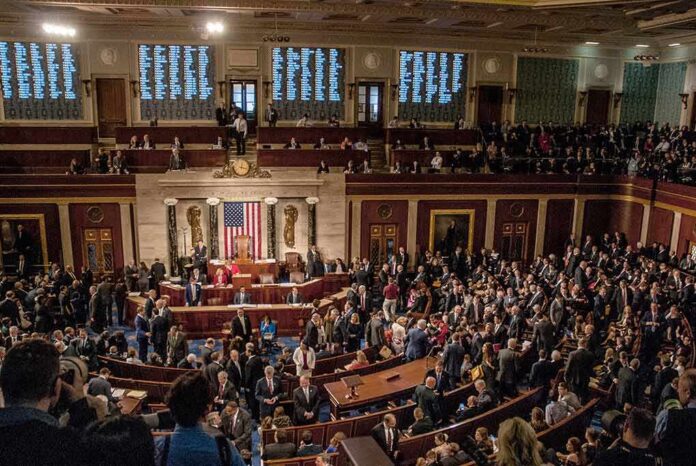
The Uniform Time Act of 1966 remains the legal backbone of DST, allowing states to opt out of DST but explicitly prohibiting them from making DST permanent on their own. This arcane bit of federal authority has forced states into a holding pattern, even as many have passed bills in anticipation of congressional action. In March 2022, the U.S. Senate unanimously passed the Sunshine Protection Act, a bill that would have made DST permanent nationwide. Enthusiasm surged—briefly. The House of Representatives declined to take up the measure, and the push fizzled, leaving the nation’s clocks—and its citizens—in limbo.
A History of Failed Fixes and Public Frustration
The story of DST is as old as America’s twentieth-century wars. First embraced to save energy during World War I and World War II, the practice was standardized for peacetime life in 1966. The rationale has shifted over the decades: energy conservation, economic benefit, public safety, and even public health have all been cited as reasons to keep or abolish DST. In the 1970s, a brief experiment with year-round DST collapsed under public backlash, with parents and teachers alarmed by dark winter mornings for schoolchildren. The Energy Policy Act of 2005 extended DST by several weeks, but evidence of meaningful energy savings remains elusive.
Recent years have seen a groundswell of research suggesting the harms of clock changes far outweigh the benefits. Medical experts point to higher rates of heart attacks, traffic accidents, and sleep disorders following the springtime shift. Still, the nation remains divided: polls show support for ending the clock change, but Americans split almost evenly between favoring permanent DST and standard time. This split undercuts the political will to act, as Congress faces a lose-lose proposition no matter which time system it chooses to enshrine.
Who’s Really in Charge—and What’s Holding Them Back?
Power over national time policy rests squarely with Congress. State legislatures, despite passing a flurry of resolutions, remain powerless without federal approval. The Department of Transportation, which oversees time zones and DST, acts only within the boundaries set by federal law. Business groups and industry lobbies, from airlines to broadcasters, have their own conflicting preferences and have not formed a united front. Public health advocates warn against permanent DST, citing sleep science and the body’s natural rhythms. Meanwhile, retailers and recreation industries lobby for longer summer evenings to boost sales and outdoor activity. No single group has managed to tip the scales.
Congressional leadership has given DST reform little priority since the Sunshine Protection Act’s brief moment in the sun. The result: a rare case of bipartisan inaction. Citizens are left to grumble, adjust their clocks, and prepare for the next round of debate—while industry, educators, and health experts continue to argue over which time should be permanent. The only certainty is uncertainty, as November 2025 approaches with another scheduled “fall back.”
The Real-World Impact: From Sleep Loss to Legislative Limbo
Americans pay the price for this stalemate in lost sleep, disrupted routines, and the ongoing confusion that comes with biannual time changes. Businesses that depend on nationwide timing, such as airlines and broadcasters, face operational headaches every spring and fall. Health professionals cite spikes in accidents and hospital admissions in the days following each time change. States that have tried to break free are left in legislative limbo, unable to act without Congress’s blessing. The political calculation is clear: until a broad coalition can agree not just to end the clock change but on what to replace it with, the status quo will persist.
Despite the headlines and periodic flurries of legislative action, the clock’s hold on American life remains as strong as ever. If there’s one lesson to draw from this saga, it’s that even the simplest reforms can become trapped in the machinery of government when consensus proves elusive. The next scheduled clock change looms, and unless Congress acts, Americans will once again be asking: why are we still changing the clocks?
Sources:
Timeanddate.com: Daylight Saving Time 2025 in the United States.