When the United States slaps sanctions on Cuba’s president for human rights abuses, you have to ask: how many times do tyrants get a slap on the wrist before the world finally calls their bluff?
At a Glance
- U.S. government imposes new sanctions on Cuban President Miguel Díaz-Canel and top officials for human rights violations.
- Sanctions follow a brutal crackdown on Cuban citizens who protested for freedom, food, and basic rights in 2021.
- Cuban regime responds by blaming the U.S. for its economic misery while continuing to jail and exile dissenters.
- International human rights organizations confirm widespread arrests, torture, and intimidation against peaceful demonstrators.
U.S. Sanctions: A Message to Dictators—or Just More Empty Words?
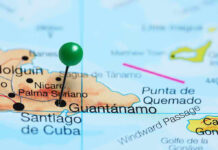
On the anniversary of Cuba’s 2021 freedom protests, the United States announced new sanctions targeting Cuban President Miguel Díaz-Canel and his circle of repressors. The move, intended as a response to Havana’s relentless assault on basic liberties, restricts their access to U.S. visas and seeks to hold them accountable for systematic human rights abuses. In the aftermath of the unprecedented July 11 demonstrations, the Cuban regime detained hundreds, handed down lengthy prison sentences, and forced many into exile. The U.S. government, along with international human rights organizations, continues to condemn the crackdown, but sanctions alone seem to do little against a regime that’s perfected the art of blaming the United States for every self-inflicted crisis.
The Biden and now Trump administrations have each taken their swings at Cuba with various sanctions and policy changes. And yet, the Communist Party’s iron grip remains unbroken. The people of Cuba, meanwhile, endure endless shortages of food and medicine, power blackouts, and the ever-present threat of arrest for daring to speak freely. The government’s answer? Blame the U.S. embargo, accuse foreign “imperialists” of meddling, and double down on censorship and repression. Imagine living under a system so allergic to criticism that even posting on social media can land you in a dungeon. And while the Cuban leadership continues to live in comfort, ordinary citizens still wait for real change.
Cuba’s Protesters: Paying the Price for Demanding Liberty
On July 11, 2021, a cross-section of Cuban society—young people, artists, and families—flooded the streets demanding “Libertad!” and “Down with the dictatorship!” Their crime? Wanting a better life and the right to speak their minds. The regime’s response was as swift as it was brutal. Security forces swept through neighborhoods, arresting over 700 people and charging them with crimes like sedition. Many received years-long prison sentences; others faced exile. Human rights organizations from Amnesty International to Human Rights Watch have documented these abuses in detail. Families of the imprisoned live in fear, while the government’s surveillance and intimidation machine grinds on. The message from Díaz-Canel’s regime couldn’t be clearer: dissent is treason, and tyranny is the status quo.
While the Cuban Communist Party continues to spin tales about “sovereignty” and “resistance to foreign aggression,” the world has seen the truth: desperate people, pushed to the brink by failed policies, standing up for their basic rights. The regime’s playbook—silence, jail, intimidate—hasn’t changed since the days of Fidel Castro. But what’s truly astonishing is how the global left, ever eager to lecture about “justice” and “human rights,” still finds ways to excuse or ignore the suffering of the Cuban people. The hypocrisy is breathtaking.
Sanctions, Propaganda, and the Long Road to Real Change
What practical impact will these new U.S. sanctions have? In the short term, they further isolate Cuba’s ruling elite from international travel and finance—a symbolic gesture, perhaps, but hardly enough to rattle a regime that has spent decades thriving on isolation and propaganda. For everyday Cubans, the misery continues: empty store shelves, blackouts, and a government that treats criticism as an existential threat.
The Cuban government maintains its power through a combination of fear, surveillance, and the relentless rewriting of reality. Protesters and their families are forced into exile or silenced by intimidation. Meanwhile, the U.S. attempts to squeeze the regime with sanctions, but the Communist Party remains stubbornly entrenched. The regime’s international enablers, of course, continue to parrot the tired narrative of “external aggression,” conveniently ignoring the internal failures that drive Cubans to risk everything for a taste of freedom.