
A viral clash in Munich put the West’s culture-war priorities on full display—right in the middle of a debate about Ukraine’s survival.
Story Snapshot
- Czech Foreign Minister and Deputy Prime Minister Petr Macinka and Hillary Clinton sparred during a Munich Security Conference panel on February 13–15, 2026.
- Macinka defended Trump-era pushback against “woke” ideology, arguing Western elites are consumed by cultural fights while security crises escalate.
- Clinton challenged whether cultural grievances justify reducing support for Ukraine and mocked Macinka’s comments with a “two genders” remark.
- The exchange went viral, fueling political backlash inside Czechia and highlighting widening disagreements across the West on borders, identity politics, and foreign policy.
Munich Panel Turns Into a Proxy Fight Over Trump and “Woke” Politics
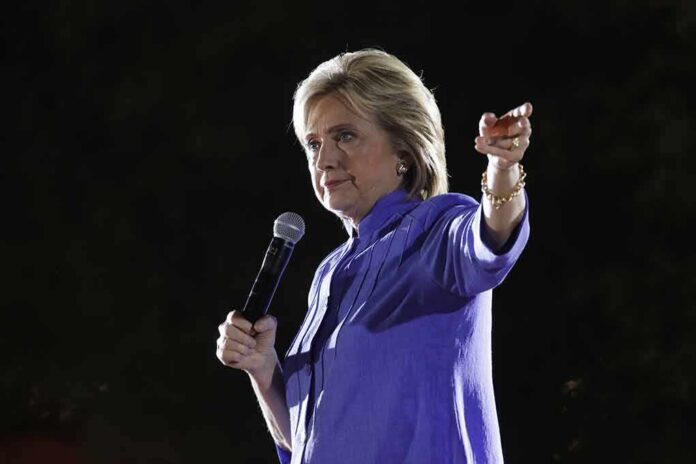
Petr Macinka’s exchange with Hillary Clinton unfolded during the Munich Security Conference, where leaders gathered to address transatlantic security and what organizers described as a growing “West–West divide.” Macinka, representing Czechia’s ANO-led government, argued that Trump-aligned politics are a reaction to cultural pressure campaigns—gender ideology, cancel culture, and climate “alarmism.” Clinton, a longtime critic of Trump, pushed back sharply as the discussion returned to Ukraine.
Clinton’s sharpest line—circulated widely in clips—pressed Macinka on whether internal cultural debates justify pulling back from helping a nation under attack. In one widely quoted retort, she mocked his framing with a comment about protecting Ukraine’s freedom and its “two genders.” The viral moment spread quickly across conservative and mainstream outlets alike, with headlines emphasizing either Macinka “schooling” Clinton or Clinton humiliating a pro-Trump official.
Ukraine Aid vs. Internal Priorities: What the Argument Was Actually About
The core disagreement was not just rhetorical. Macinka has voiced skepticism about Ukraine’s prospects for outright victory and has urged a ceasefire approach, which clashes with the more hawkish, pro-Ukraine posture associated with Czech President Petr Pavel. Munich’s stage simply magnified a tension many voters recognize at home: when governments chase ideological projects, they often lose public trust on basic obligations like border control, security, and accountable spending.
Clinton, for her part, framed the question as a moral and strategic imperative—whether the West will stand with Ukraine against Russian aggression. Reporting also highlighted that she acknowledged U.S. immigration policy “went too far” while still backing secure borders. That combination—defending Ukraine aid while conceding border problems—mirrors the broader post-Biden political landscape: voters are demanding enforcement and realism, not slogans, and not lectures about what they must believe on culture.
Czech Politics Erupt After the Viral Clip, Exposing a Deep National Split
Back in Czechia, the blowback was immediate. Opposition figures condemned Macinka’s performance as embarrassing and accused him of pushing anti-EU messaging. At the same time, Macinka’s allies treated the moment as proof that a populist, sovereignty-first approach can challenge establishment narratives on elite stages. The dispute lands in a country already wrestling with political polarization after the 2025 elections and ongoing fights over foreign policy direction.
Reporting described a broader feud between Macinka and President Pavel, including intense public accusations and a political climate that has already produced a failed no-confidence attempt. Separate civic activism continues as well, including plans for demonstrations supportive of Pavel. In practical terms, the viral exchange did not by itself change Ukraine policy overnight, but it did harden lines—especially around whether national leaders should prioritize cultural “revolutions” or traditional norms while navigating war and migration pressures.
Why the Viral Moment Resonated With Conservatives Watching From the U.S.
For Trump-supporting Americans, the clip’s resonance is straightforward: it captured a familiar dynamic where establishment figures dismiss cultural concerns as trivial while ordinary citizens see them as direct attacks on family, faith, and national cohesion. Macinka’s point—whether one agrees or not—was that the West cannot keep demanding unity abroad while stoking division at home through radical ideology. Clinton’s response underscored how quickly elites pivot to mockery rather than persuasion.
Still, the available reporting also shows why the issue is complicated. Ukraine’s battlefield reality, European security, and NATO credibility are not social-media talking points. The strongest verified takeaway is that the Munich conference—meant to project unity—ended up showcasing fragmentation: over borders, over culture, and over how much sacrifice Western publics will accept. With Trump back in office in 2026, those arguments are no longer theoretical; they are shaping policy choices on both sides of the Atlantic.
Sources:
What happened in Munich? Macinka’s viral Clinton moment exposes a divided Czechia
Hillary Clinton clashes with Czech leader over Trump policies at Munich Security Conference
Czech FM clashes Hillary Clinton over gender revolution and climate alarmism
Hillary Clinton hits Czech politician