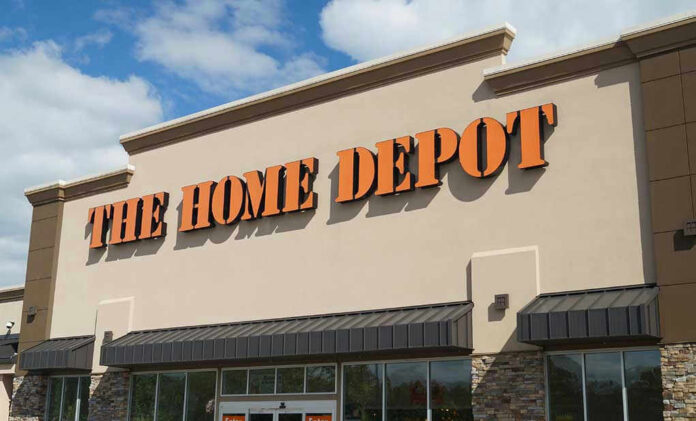
Federal immigration raids at Home Depot stores across Southern California have ignited fierce constitutional debate and raised alarms among Americans concerned about government overreach and the erosion of secure borders.
Story Snapshot
- Home Depot parking lots became central targets for aggressive federal immigration raids in August 2025, with dozens arrested in highly visible operations.
- Federal agents used covert tactics, including rental trucks as decoys, sparking allegations of racial profiling and violations of court orders.
- The company’s silence amid the controversy has drawn criticism, while local activists and officials demand transparency and accountability.
- The events have intensified national debates over immigration policy, constitutional rights, and the responsibilities of major retailers.
Home Depot as a Battleground for Immigration Enforcement
In August 2025, Home Depot locations throughout Los Angeles and Southern California became the epicenter of a sweeping federal effort to crack down on illegal immigration. Federal agents, often disguised in rental trucks to avoid detection, staged a series of coordinated raids targeting day laborers—many suspected of being in the country illegally. These actions resulted in multiple arrests and placed Home Depot, a symbol of American retail, at the heart of a highly charged political and legal dispute. The raids have generated significant attention from both national media and local communities, highlighting the ongoing tension between immigration enforcement and civil liberties.
Federal law enforcement’s tactics included the so-called “Trojan Horse” approach, where undercover agents posed as contractors seeking labor before detaining individuals. This method drew sharp criticism from advocacy groups and local officials, who accused federal agencies of racial profiling and violating previous court orders that restrict targeting individuals based solely on appearance or language. The high-visibility operations, often conducted with news crews in tow, not only disrupted day laborers’ livelihoods but also affected ordinary customers, some of whom were reportedly questioned or detained based merely on perceived immigrant status.
Legal Challenges and Conflicting Interests
The escalation of enforcement at Home Depot sites did not occur in a vacuum. Federal authorities justified their actions as upholding the rule of law and serving as a deterrent against illegal immigration. However, these justifications are being tested in courtrooms and public opinion. Legal experts have raised concerns about the constitutionality of the raids, particularly regarding alleged racial profiling and disregard for court injunctions against indiscriminate arrests. Activists and civil liberties organizations argue that such tactics undermine trust in law enforcement and threaten the constitutional protections that all residents, regardless of status, should expect. Meanwhile, local government officials, including Los Angeles Mayor Karen Bass, have called for greater transparency and accountability from both federal agencies and Home Depot itself.
Despite the mounting controversy, Home Depot’s corporate leadership has remained notably silent, declining public comment even as the company’s properties become flashpoints in the national immigration debate. This lack of response has fueled speculation and frustration, particularly among those who expect major American businesses to uphold constitutional values and protect their customers’ rights. The ambiguous stance leaves the company vulnerable to criticism from both sides: those demanding stronger action against illegal immigration, and those advocating for the rights of day laborers and immigrant communities.
Broader Implications for Policy, Community, and Industry
The impact of these raids extends well beyond the parking lots in question. In the short term, immigrant communities in Southern California report increased fear and anxiety, with many day laborers avoiding public spaces and losing critical sources of employment. Local businesses, especially small contractors and homeowners who rely on day labor, face new challenges in meeting their workforce needs. The social fabric of affected communities is strained, as trust in law enforcement erodes and activism surges in response to perceived overreach. Politically, the events have intensified debates over federal versus local authority, the effectiveness and morality of aggressive immigration enforcement, and the balance between national security and individual rights.
Looking ahead, legal battles over the constitutionality of enforcement tactics and allegations of racial profiling are likely to set new precedents for how immigration laws are applied in public and commercial spaces. The situation also raises critical questions about the role and responsibility of large retailers like Home Depot in safeguarding civil liberties on their premises. As other retailers and informal labor sites watch closely, the outcome may shape corporate policies and public expectations nationwide. For conservatives who value the rule of law and constitutional protections, the events at Home Depot represent both a test and a warning: securing the nation’s borders must not come at the cost of eroding foundational American liberties.
Sources:
Home Depot becomes battleground for immigration enforcement in L.A.
Federal agents target day laborers in raids at Van Nuys Home Depot
Home Depot stays quiet as immigration raids target day laborers
Trump appeals ban on LA immigration raids