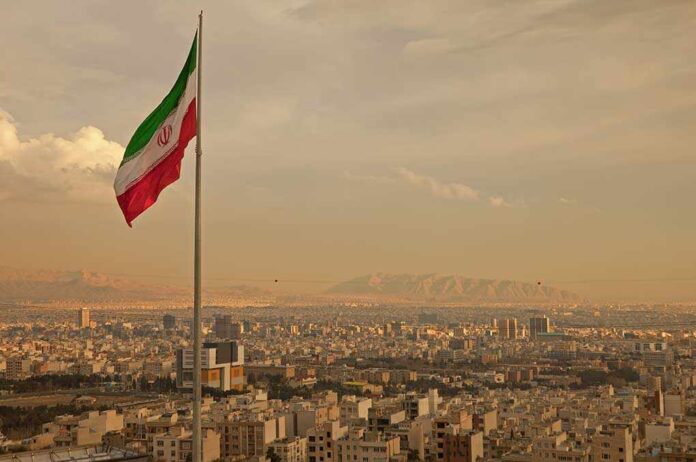
Iran’s Islamist regime has slaughtered over 500 unarmed protesters in just 15 days, exposing the fragility of Ayatollah Khamenei’s iron grip amid nationwide fury.
Story Snapshot
- HRANA reports 544 deaths, including 483 protesters, with 10,681 arrests across all 31 provinces by January 11, 2026.
- Protests ignited by rial collapse on December 28, 2025, evolved into chants of “Death to Khamenei” and demands to dismantle the theocracy.
- Security forces used live ammunition on crowds, raided hospitals, and imposed a 60-hour internet blackout to conceal the bloodshed.
- Exiled Reza Pahlavi rallies protesters with pre-1979 monarchy symbols, signaling a potential return to secular rule.
- Regime claims foreign plots and armed rioters, but videos verify IRGC firing on unarmed civilians.
Protests Erupt from Economic Ruin
The Iranian rial plummeted to 1.4 million per dollar on December 28, 2025, sparking protests in 186 cities. Sanctions tied to the nuclear program crushed the economy, pushing citizens into desperation. Demonstrators initially demanded relief from hyperinflation and shortages. Security forces responded with tear gas and arrests. Within days, crowds shifted focus, chanting “Death to Khamenei” and waving lion-and-sun flags of the shah era. This evolution challenged the regime’s core authority.
By late December, at least 28 died in 13 cities across eight provinces, including children in Lorestan and Ilam. IRGC and Basij militias fired live rounds from bases at unarmed groups. Protests spread to all 31 provinces, an unprecedented scale unseen since 1979.
Regime Unleashes Brutal Crackdown
Khamenei vowed on January 3, 2026, to “put rioters in their place.” IRGC declared an end to tolerance, targeting protest leaders. In Ilam, forces raided a hospital, firing pellets and tear gas at injured patients. Tehran hospitals logged 217 protester deaths from live ammunition by January 10. HRANA tallied 544 total deaths by January 11, with 47 security personnel among them. Over 10,000 arrests filled prisons nationwide.
Internet blackouts exceeded 60 hours, shielding the regime’s actions from global eyes. Airlines like Austrian and Turkish canceled flights into January 12 amid chaos. State media reported 109 security deaths and 200 “terrorist” arrests, alleging protester weapons and fires. Activists counter that crowds remained unarmed, backed by verified videos of IRGC shootings.
Stakeholders Clash in Bloody Standoff
Ayatollah Khamenei frames unrest as U.S. and Israeli plots, preserving his theocratic rule since 1989. IRGC enforces his will, dominating security with Basij auxiliaries. HRANA, a U.S.-based group, documents casualties via insider networks. Exiled Crown Prince Reza Pahlavi urges weekend protests, reclaiming streets with monarchy symbols. Human Rights Watch and Amnesty International verify early deaths, naming victims like Reza Azimzadeh shot at a Basij base.
Power tilts toward Khamenei and IRGC commanders, who threaten death penalties. Minorities in Kurdish and Luri regions suffer hardest, with mass killings reported. Regime prosecutors warn parents to keep children home or face consequences. This dynamic echoes 2019 fuel protests, where 1,500 died under similar blackouts and live fire.
Impacts Threaten Regime Survival
Short-term, crackdowns risk thousands more deaths, as warned by rights groups. Flight halts strand travelers; blackouts amplify fear. Long-term, unified protests could destabilize the theocracy, worsening sanctions and rial collapse. Young protesters bear the brunt, with families torn by arrests and hospital raids. Medical staff face beatings for treating wounded.
Politically, Pahlavi’s resurgence revives secular hopes, aligning with American conservative values of individual liberty over oppressive rule. Regime brutality—live fire on crowds, hospital invasions—defies common sense justifications of “riots.” Facts from multiple sources outweigh state propaganda, pointing to a massacre of innocents demanding freedom. Broader effects ripple to global nuclear tensions and diaspora activism.
Sources:
Death toll in violence surrounding protests challenging Iran’s theocracy reaches 203, activists say