Pakistan’s airstrike obliterates a Kabul drug rehab hospital, slaughtering over 400 civilians including vulnerable patients during Ramadan, as Taliban vows bloody retaliation in a border war that could engulf South Asia.
Story Snapshot
- Airstrike on March 16, 2026, destroys 2,000-bed Kabul hospital, killing 400+ and injuring 250, mostly drug rehab patients.
- Taliban accuses Pakistan of deliberate “crime against humanity”; Pakistan denies, claims precision hits on militants.
- Escalation follows three weeks of cross-border clashes killing 75+, amid Iran tensions and failed ceasefires.
- Rescue efforts continue amid rubble and flames; fears of wider war strain regional stability.
Hospital Strike Devastation
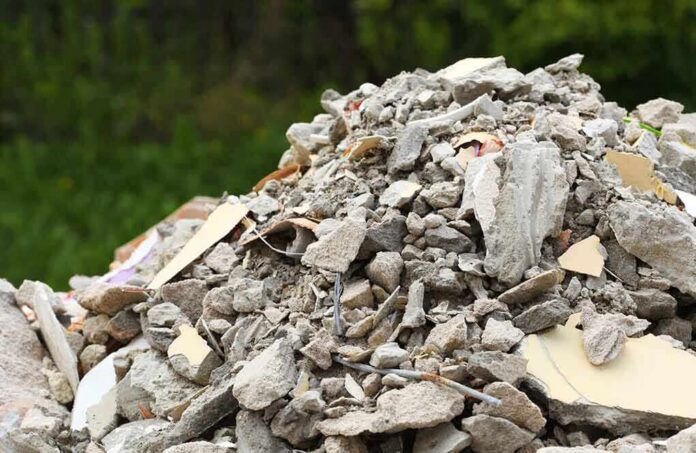
On March 16, 2026, at approximately 9 PM local time, an airstrike demolished large sections of a state-run 2,000-bed drug rehabilitation facility in Kabul. The attack ignited massive fires, trapping patients and staff inside. Rescue teams pulled bodies from rubble as flames raged through the night. By March 17, Taliban officials reported over 400 dead and 250 injured, primarily vulnerable individuals seeking treatment for addiction. This marks one of the deadliest civilian incidents in recent Afghan history, unfolding during Ramadan’s post-fast hours when families gathered.
Afghan Health Ministry spokesperson Sharafat Zaman confirmed total destruction of key hospital wings. Eyewitness videos captured chaos: emergency workers sifting through debris, families wailing for missing loved ones, and firefighters battling infernos. The facility, established in 2016, served as a critical hub in Afghanistan’s opioid crisis response. Its loss cripples rehabilitation efforts, leaving thousands without care amid ongoing instability.
Escalating Border Clashes
Cross-border hostilities ignited in late February 2026, killing at least 75 and injuring nearly 200, according to UN reports. Clashes disrupted a Qatar-brokered ceasefire from October 2025, entering their third week by mid-March. Hours before the airstrike, Afghan forces reported border fire exchanges that killed four. The 2,600 km Durand Line remains a militant flashpoint, with Pakistan alleging Taliban harbors anti-Pakistan groups like the Tehrik-i-Taliban Pakistan (TTP).
UN Security Council recently pressed Taliban for stronger anti-terror measures, but no new truce emerged. Regional tensions compound the crisis, including recent US and Israeli strikes on Iran, heightening South Asian volatility. Porous terrain facilitates militant crossings, fueling mutual accusations and artillery duels that now risk full-scale war.
Conflicting Claims and Retaliation Threats
Taliban spokesperson Zabihullah Mujahid labeled the strike a “crime against humanity,” vowing retaliation. Hamdullah Fitrat updated the mounting death toll, while no back-channel talks occur despite past Qatar mediation. Pakistan’s Ministry of Information rejected accusations, insisting on “precise strikes with no collateral damage” targeting military and terrorist sites in Kabul and Nangarhar. Spokesperson Mosharraf Zaidi called claims “baseless.”
LIVE: Scene from Kabul as hospital airstrike death toll rises https://t.co/69C5YzBkek
— The Algiers Herald (@AlgiersHerald) March 17, 2026
Pakistan’s air superiority underscores asymmetric power dynamics, pressuring Taliban defenses. Afghan cricketers like Naveen-ul-Haq voiced public outrage, amplifying domestic fury. China urges restraint, while humanitarian groups demand investigations. Conflicting narratives—deliberate civilian hit versus anti-terror precision—lack independent verification, with uncertainties over exact strike origins and any militant presence in the hospital.
Impacts on Communities and Stability
Short-term, rescue operations strain Kabul resources as families search rubble during Ramadan grief. Long-term, the strike erodes ceasefire hopes, boosts anti-Pakistan sentiment, and complicates anti-terror cooperation. Destroyed drug treatment infrastructure worsens Afghanistan’s opioid epidemic, traumatizing border communities already disrupted by clashes. Political fallout challenges Taliban legitimacy and Pakistan’s diplomacy.
Broadly, the incident overwhelms humanitarian aid, tests global norms protecting hospitals, and disrupts South Asian trade amid Iran-linked instability. Social media outrage grows, with visuals of flames and bodies fueling calls for accountability. As President Trump’s administration prioritizes America First, this flare-up reminds patriots how foreign entanglements drain resources better spent securing our borders and countering real threats at home.
Sources:
Kabul Hospital Airstrike Leaves Hundreds Dead, Injured