A late-night “man overboard” story in the Bahamas has now escalated into a criminal case—with the missing woman’s husband under arrest and U.S. authorities involved.
Story Snapshot
- Royal Bahamas Police arrested Brian Hooker after his wife, 55-year-old Lynette Hooker of Michigan, vanished during a dinghy trip in the Abaco Islands.
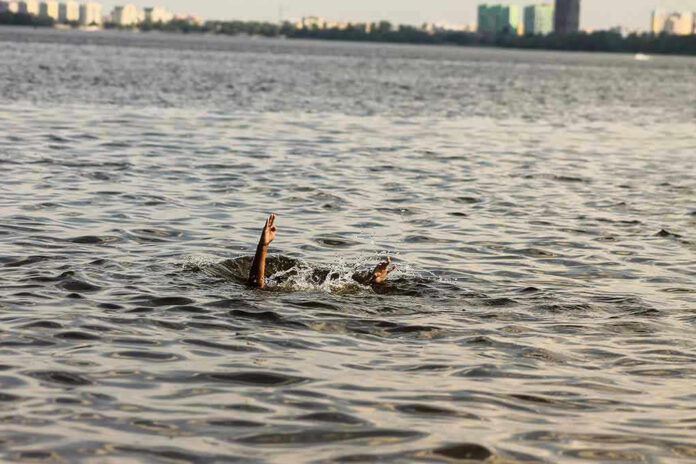
- Hooker reported that Lynette fell overboard in bad weather and was swept away by strong currents after the engine shut off.
- The search has continued by land, sea, and air, while the U.S. Coast Guard opened a criminal investigation.
- The missing woman’s daughter publicly questioned whether the husband’s timeline and account make sense.
Arrest Turns a Search-and-Rescue Into a Criminal Probe
Royal Bahamas Police arrested Brian Hooker after his wife, Lynette Hooker, disappeared during a nighttime trip by dinghy in the Abaco Islands. Authorities have treated the case as more than a boating mishap, with the U.S. Coast Guard leading a criminal investigation while search efforts continue. For Americans watching from home, the arrest is a reminder that when a death or disappearance occurs offshore, facts can be harder to confirm—and accountability depends on fast, competent coordination.
Officials say the couple left Hope Town for Elbow Cay in an 8-foot dinghy as they traveled back toward their yacht, “Soulmate.” Brian Hooker told investigators that bad weather hit, Lynette fell overboard with the boat’s key, and the engine shut down. He then paddled back to shore and ultimately reported the incident at a marina hours later. The long gap between the fall and the report has become a central issue as authorities test the credibility of the story.
What Investigators Are Likely Scrutinizing
Police have not publicly detailed evidence supporting the arrest, and the available reporting does not specify a charge. Still, the known facts point to the kinds of questions that typically drive a maritime criminal inquiry: whether the timeline is consistent with tides and distance, whether communications and emergency steps were reasonable, and whether the circumstances align with an accidental fall. The U.S. Coast Guard’s involvement signals that investigators view this as potentially more than an unfortunate accident.
Karli Aylesworth, Lynette Hooker’s daughter, has said the husband’s account “wasn’t adding up” and has called for a full investigation. Family skepticism does not prove wrongdoing, but it often influences how aggressively officials pursue contradictions. For many Americans—left and right—this dynamic also resonates with a broader mistrust of institutions: people want a real, transparent process that follows evidence rather than assumptions, especially when a single witness controls most of the initial narrative.
Why This Case Hits a Nerve for Many Americans
This incident highlights a hard truth about modern life: even with big budgets and layers of government agencies, outcomes still depend on competence and speed in the first hours. When a person goes missing at sea at night, the odds worsen quickly, and every decision matters. Conservatives who believe government frequently fails at core duties like public safety will see a familiar pattern—systems that move slowly, jurisdictions that blur, and families left begging for clarity while the clock runs.
Cross-Border Enforcement Shows Both Strength—and Limits
The response has included Royal Bahamas Police, the U.S. Coast Guard, and U.S. State Department assistance, underscoring how often Americans rely on cross-border cooperation even during personal travel. That cooperation can work, but it also reveals limits: U.S. citizens abroad are subject to local police powers, while U.S. agencies may assist, investigate, or coordinate without controlling the scene. Until investigators release more facts, the public is left with unanswered questions and a case that remains, above all, unresolved.
Authorities have not announced a recovery, and reporting to date provides no definitive explanation for what happened to Lynette Hooker. The immediate focus remains twofold: expanding search efforts while ensuring that any criminal inquiry is thorough and evidence-based. As more details emerge, the key measure for the public will be whether officials can establish a clear timeline, verify claims with objective data, and deliver accountability—without turning a tragedy into a media-driven guessing game.
Sources:
Husband arrested after woman reported missing, went overboard in Bahamas: Police