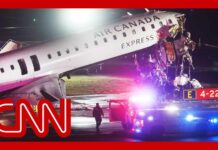
When a foreign mob breached a U.S. consulate perimeter in Karachi, the Marines guarding America’s flag did what Washington too often forgot in recent years: they held the line.
Story Snapshot
- Shia protesters stormed the U.S. Consulate in Karachi on March 1, 2026, after outrage over U.S.-Israeli strikes that killed Iran’s Supreme Leader Ayatollah Ali Khamenei.
- Protesters broke through the outer wall, set fires, and clashed with Pakistani security; U.S. Marine Security Guards opened fire to stop the breach.
- Reports cited 9 to 16 deaths at the Karachi site and more than 60 wounded, with casualty figures varying as the day unfolded.
- The U.S. shut diplomatic facilities across Pakistan and warned Americans to avoid crowds as nationwide unrest grew.
What Happened at the Karachi Consulate
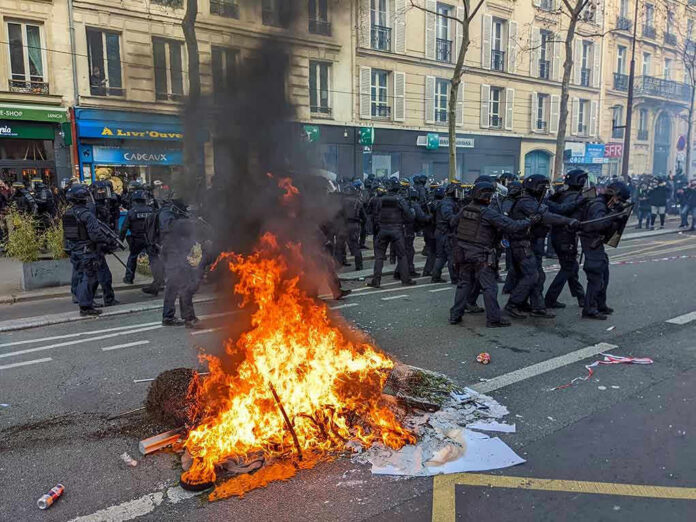
Pakistani authorities and multiple reports described a protest that began with hundreds gathering near the U.S. Consulate on Mai Kolachi Road, Karachi, then turned violent as the crowd surged toward the compound. Protesters breached an outer perimeter wall, hurled stones, vandalized the exterior, and set vehicles or nearby posts on fire. Accounts also noted at least one firearm being discharged from the crowd, escalating the threat to the facility and its personnel.
U.S. Marine Security Guards responded with live fire as the perimeter was penetrated, killing and wounding attackers and preventing entry into the inner compound. Reporting differed on the exact death toll at the consulate—often cited as 9 initially, with higher totals reaching into the mid-teens—while injuries were widely reported at more than 60, many with gunshot wounds. Pakistani police and Rangers used tear gas and batons to push the crowd back and restore control.
Why the Protest Exploded: Khamenei’s Death and Regional Fallout
The spark for the Karachi attack was the killing of Ayatollah Ali Khamenei in U.S.-Israeli strikes, which triggered anger among Shia communities well beyond Iran. Pakistan, which has one of the world’s largest Shia populations, saw solidarity protests spread quickly. The Karachi consulate attack became a focal point because it mixed raw geopolitical rage with a soft target—an American diplomatic post—at a time when local authorities were struggling to contain surging street mobilizations.
Pakistan’s own internal pressures also shaped events. Reporting described authorities attempting to restrict large gatherings even as crowds formed and moved across major cities. Past strains in U.S.-Pakistan relations—ranging from earlier counterterror operations to periodic waves of anti-American sentiment—created fertile ground for opportunistic agitation. None of that changes the basic operational reality: when a hostile crowd forces its way through a consulate perimeter, security forces have seconds to act, not hours to negotiate.
Security Lessons Americans Recognize After Benghazi
One reason this incident hit a nerve is that Americans remember what happens when a diplomatic facility is overrun. The Karachi episode echoed the core lesson from past attacks on U.S. posts: perimeter breaches can become massacres if defenders are outnumbered, delayed, or restrained until it is too late. Here, reporting indicated the Marines’ gunfire stopped the attackers before the inner compound was breached and before U.S. personnel were harmed.
Available public reporting still leaves gaps. Accounts varied on casualty totals, and some uncertainty remained about whether every fatal shot came from Marines or whether other gunfire contributed during the chaos. Pakistani officials also disputed some claims about fires inside the consulate area. Those uncertainties do not erase the central confirmed fact across sources: the facility’s defenders used lethal force in response to an attempted storming, and the attackers failed to gain full access.
What Changed Afterward: Closures, Alerts, and a Wider Unrest Picture
After the Karachi violence, the U.S. moved quickly to reduce risk, closing diplomatic facilities across Pakistan and canceling appointments while issuing public warnings for Americans to avoid crowds. Reporting also described unrest and clashes in other Pakistani cities as anger over Khamenei’s killing rippled outward. A nationwide death toll tied to the broader protests was reported at 26, reflecting that the Karachi attack was part of a larger wave rather than a contained, one-off incident.
For U.S. citizens, the practical takeaway is straightforward: diplomatic closures and travel warnings are not political theater; they are a recognition that anti-American anger can turn into rapid, organized violence. For policymakers, the Karachi incident underscores the need for hardened security postures, clear rules of engagement, and realistic planning when U.S. actions abroad ignite predictable backlash. The Constitution doesn’t stop at the water’s edge—American lives and facilities still deserve firm protection.
Sources:
US Marines fired on protesters at Pakistan consulate
2026 attack on the United States consulate in Karachi
9 Killed as Protesters Try to Storm US Consulate in Pakistan Over Killing of Iran’s Supreme Leader
US Marines Repel Attack on US Consulate in Karachi Amid Regional Turmoil