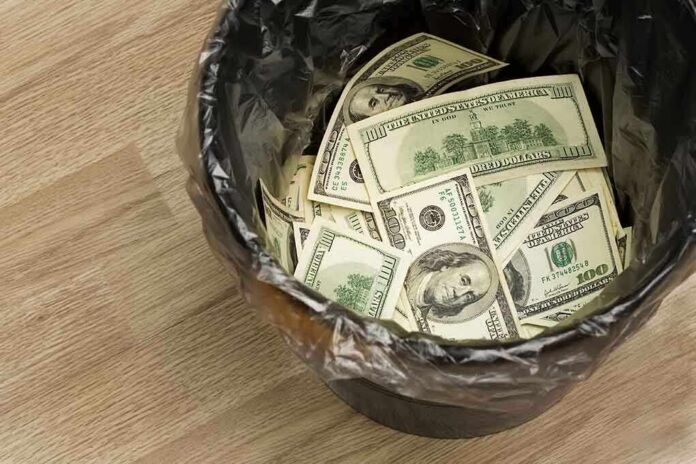
New York City now spends more on each homeless person than the average household earns annually, yet the crisis has only worsened—exposing a staggering failure of progressive governance and fiscal responsibility that should outrage every taxpayer.
Story Snapshot
- NYC spending on unsheltered homelessness exploded 262% from $102 million to $368 million between fiscal years 2019 and 2025
- Per-person spending reached $81,700 annually—exceeding the city’s median household income of $81,228
- Despite tripled budgets, the street homeless population grew 26% from 3,588 to 4,504 individuals
- State Comptroller’s report exposes lack of transparency as the city refuses to break down unit costs for beds and services
Spending Surge With No Accountability
State Comptroller Thomas DiNapoli released a damning report in March 2026 documenting how NYC’s unsheltered homelessness budget ballooned from $102 million in fiscal year 2019 to nearly $368 million by fiscal year 2025. This 262% increase translates to approximately $81,700 spent per homeless individual annually—a figure that surpasses what typical New York households earn. The report reveals fiscal year 2026 spending is projected to reach $456 million, with only modest reductions forecast through 2029. This represents government spending run amok, with no measurable improvement in outcomes to justify the massive taxpayer burden.
Population Growth Exposes Policy Failure
While city officials poured hundreds of millions into homelessness programs, the unsheltered population actually grew 26% from 3,588 individuals in 2019 to 4,504 by 2025. The Department of Homelessness Services expanded low-barrier beds, drop-in centers, and outreach programs—spending on these services alone surged 294% from $72.3 million to $285 million. An additional $106 million was allocated for 900 new safe-haven beds, bringing total capacity to 4,900 beds. Despite these expansions, the fundamental problem persists and worsens. This disconnect between spending and results exemplifies the inefficiency that frustrates working Americans who watch their tax dollars disappear into bureaucratic black holes.
Mayor’s Rent Control Scheme Will Worsen Crisis
Mayor Zohran Mamdani’s response to the housing crisis involves proposing rent freezes on approximately two million stabilized apartments alongside higher taxes on wealthy residents. Multiple economists warn this approach will backfire spectacularly. Rent freezes may shield current tenants temporarily but worsen the city’s long-term housing shortage by discouraging investment and new construction. These policies do little to solve the supply crisis at the root of New York’s homelessness problem. Instead of addressing fundamental issues like zoning reform and housing supply expansion, progressive leadership doubles down on failed regulatory approaches that have never worked. This represents the same tired playbook of government control masquerading as compassion.
Taxpayers Deserve Transparency and Results
The State Comptroller’s report reveals the city refuses to publicly break down unit costs for individual beds or drop-in centers, preventing transparent assessment of whether specific programs deliver value. This lack of accountability should alarm every citizen concerned about government overreach and fiscal mismanagement. While the city touts a 400% increase in housing placements through its Homestat outreach program and a 44% increase in low-barrier bed usage, these metrics mean nothing if the overall homeless population continues growing. NYC maintains an unusually large shelter system—97% of its homeless population is sheltered compared to just 70% in Los Angeles—yet still cannot solve the problem despite spending that exceeds what most families earn. This exemplifies progressive urban governance at its worst: massive spending with zero accountability and deteriorating conditions for the very people programs claim to help.
This is what happens when homelessness become a political slush fund. Stop funding it and it will cure itself.
NYC Homeless Spending Explodes Past $81K Per Person With No Results https://t.co/Wq2ejM1Zxq
— Tony Germain (@TonysBaitShop) March 24, 2026
The success or failure of Mamdani’s approach will shape not only New York’s affordability crisis but the broader national debate over regulation, taxation, and progressive governance. As projected spending levels remain near $442 million annually through 2029, taxpayers face continued fiscal pressure while homelessness remains an unsolved visible crisis. The fundamental questions persist: Why does massive government spending fail to produce results? When will officials prioritize effective solutions over ideological commitments to failed policies? Until leadership addresses housing supply constraints and implements transparent accountability measures, New York’s homelessness crisis will continue draining taxpayer resources while delivering nothing but broken promises.
Sources:
NYC Spends More Per Homeless Person Than a Typical Household Earns in a Year, Data Shows – WFMD
NYC spends more per homeless person than typical household earns in a year, data shows – Fox News