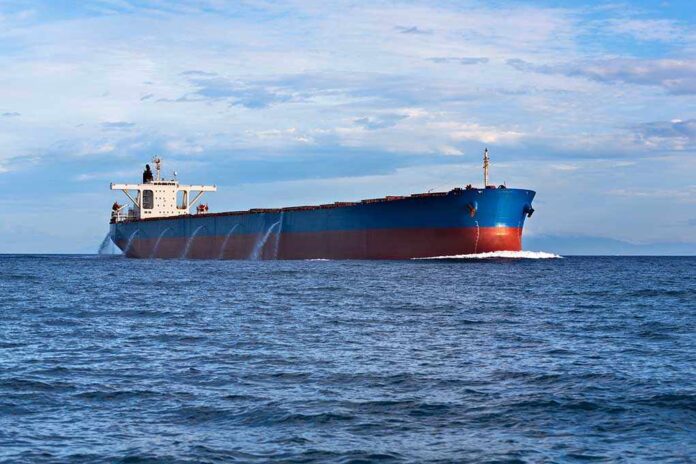
Middle Eastern port dreams are running aground—not from ships, but from relentless cyberattacks orchestrated by shadowy state actors and criminal hackers exploiting every digital crack in the system.
At a Glance
- Cyberattacks on Middle Eastern ports have surged by over 180%, crippling logistics and threatening billions in trade.
- Persistent Iranian cyber groups have infiltrated critical infrastructure, exposing dangerous vulnerabilities in port operations.
- Reliance on foreign tech vendors like Ingram Micro has created cascading supply chain risks across the region.
- Regional rivalries and the Israel-Iran conflict are fueling this digital warfare, raising the stakes for global commerce.
Port Ambitions Collide With Digital Sabotage
Middle Eastern leaders poured billions into state-of-the-art ports like the UAE’s Jebel Ali and Saudi Arabia’s King Abdullah Port, hoping to turn sand into gold by reimagining their economies beyond oil. The promise was efficiency and global reach through digital transformation—IoT sensors, automation, and cloud platforms humming together to move goods faster than ever. Instead, they’ve opened the gates to cyber warfare. Hackers, many working for hostile regimes, have turned these smart ports into sitting ducks, launching ransomware and DDoS salvos that can grind operations to a halt and send shockwaves through global supply chains.
These attacks are not theoretical. In 2022, ransomware hit Dubai’s Moorfields Eye Hospital. In 2023, UAE telecom giant Etisalat was crippled by the notorious LockBit group. The trend only worsened: Q1 2024 saw DDoS attacks in the region spike by 183%, targeting not just ports, but the energy arteries feeding the world’s oil markets. The relentless escalation ties directly to geopolitical powder kegs—chief among them, the Israel-Iran conflict and the ongoing war in Gaza. Ports have become the new frontlines, with cyberattacks used as hybrid weapons to destabilize economies and project regional power.
State Actors Exploit Weak Links and Global Tensions
Iranian-backed threat groups, particularly Lemon Sandstorm, have maintained a chilling two-year beachhead inside the critical infrastructure of Middle Eastern countries. Their tactics are sophisticated: exploiting VPN vulnerabilities, deploying custom malware, and burrowing deep into supply chains through compromised IT vendors. The 2025 attack on Ingram Micro—a linchpin in regional IT—sent shockwaves through port authorities and governments alike. Experts warn that these persistent intrusions are less about quick financial gain and more about espionage, sabotage, and exerting political leverage when the stakes are at their highest.
Regional rivalries stoke the fire. Iran, Saudi Arabia, the UAE, and Israel are locked in a digital arms race, weaponizing hackers and hacktivists to undermine each other’s assets. Ports, as both economic engines and strategic assets, are irresistible targets. Even the best-funded operators can only do so much; their reliance on international tech partners introduces supply chain risks they cannot fully control. Every port operator, from Oman’s Sohar to Qatar’s Hamad, finds themselves caught in the crosshairs—not just of criminal gangs, but of nation-states with resources and patience to wage long-term campaigns of disruption.
Operational Disruption, Financial Pain, and Strategic Vulnerability
The consequences are immediate and brutal. Ransomware can freeze cargo, delay shipments, and leave perishable goods to rot on the docks. DDoS attacks can sever communications between ships and shore, turning orderly operations into chaos. The financial toll stacks up rapidly: ransom payments, lost business, surging insurance premiums, and the unmeasurable cost of reputational damage. Ports face higher regulatory hurdles and compliance costs—just to maintain status quo, not improve it.
Long-term, the situation is even more dire. Persistent access by state actors means every digital lock could be picked, every system sabotaged at a critical moment. Investor confidence has started to wobble, as repeated incidents expose the fragility of the region’s logistics backbone. National economies, heavily dependent on seamless port operations, face ripple effects that can disrupt everything from energy exports to food imports. The general public, already weary from inflation and supply chain shocks, may soon feel these failures at the grocery store and gas pump.
Experts Demand Unified Action as Digital Trenches Deepen
Cybersecurity leaders are sounding the alarm. Mohamed Amine Belarbi of Cypherleak.com calls the Ingram Micro breach a “deeply concerning trend” as cyber criminals zero in on critical supply chain nodes. Group-IB’s tally of over 50 ransomware incidents in the Gulf last year is a stark warning that the threat is persistent and growing. The NATO CCDCOE and MENA Cyber Summit both urge a unified, regional response—but coordination is patchy, and old rivalries undermine trust.
The consensus among experts is clear: the convergence of rapid digitalization and legacy vulnerabilities has made Middle Eastern ports prime targets for both state-sponsored and criminal actors. While new investments in cybersecurity are underway, the region remains a step behind adversaries who have turned digital sabotage into an art form. Ports can no longer afford to see cyber defense as a secondary concern. In today’s world, the port of the future is only as strong as its weakest firewall.
Sources:
MENA Cyber Summit 2025 Annual Report
The National News (2025-07-06)
Radware Threat Advisory (2025-06-18)