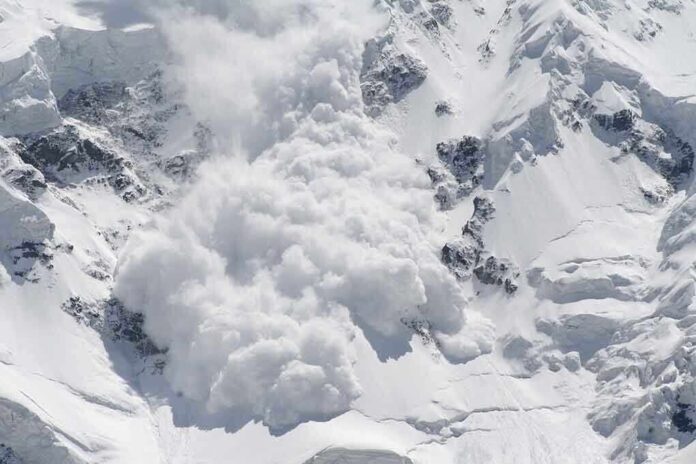
Hundreds of climbers face life and death atop Mount Everest as a sudden blizzard exposes the perils of high-altitude tourism.
Story Snapshot
- Severe blizzard traps over 300 hikers on Mount Everest.
- International rescue operations underway amid harsh conditions.
- Incident raises questions about Everest’s safety protocols and overcrowding.
- Climate change impacts highlighted as weather unpredictability increases.
The Immediate Crisis
The blizzard that struck Mount Everest was both sudden and severe, leaving over 300 climbers stranded at various elevations. The storm, defined by extreme winds and heavy snowfall, caught many by surprise despite prior forecasts indicating only mild snow. The rapid intensification of the blizzard has led to a large-scale rescue operation involving local authorities, international rescue teams, and the Nepalese military.
Rescue efforts commenced on October 5, 2025, as reports of casualties and missing persons began to surface. The situation drew global media attention, shining a spotlight on the logistical challenges of conducting high-altitude rescues under such treacherous conditions. The incident has sparked renewed scrutiny over the safety measures and preparedness of those embarking on the perilous journey to the world’s highest peak.
The Broader Context
Mount Everest has long been a beacon for adventurers worldwide, but its allure comes with significant risks. The Nepalese government issues permits to climbers, which while lucrative, contributes to overcrowding and complicates emergency responses. Recent years have seen an increase in expeditions, partly due to a post-pandemic surge in adventure tourism. However, this has also led to bottlenecks and heightened risk, especially when emergencies arise.
Climate change has further exacerbated these risks by making Himalayan weather more unpredictable. October, traditionally safer post-monsoon, is no longer a guarantee of calm conditions. The volatility of weather patterns poses a growing threat to climbers and expedition teams, demanding better forecasting and preparation.
Key Stakeholders and Dynamics
The primary individuals and organizations involved in this crisis include the trapped climbers, the Nepalese government, local and international rescue teams, and the Sherpas. Each has a critical role to play in the unfolding drama. The government, facing pressure to ensure safety, has coordinated rescue efforts, while expedition companies grapple with the dual challenge of client safety and business continuity.
Sherpas, often the unsung heroes of Everest expeditions, are once again at the forefront of rescue operations. The incident has highlighted the complex power dynamics and dependencies within the climbing community, with climbers relying heavily on the expertise and support of local guides.
Current Developments and Impacts
As of October 7, 2025, rescue operations are ongoing with helicopters deployed when weather permits, and ground teams advancing from Base Camp. The situation remains fluid with fluctuating numbers of casualties and survivors. Offers of international aid have poured in, underscoring the global concern over the crisis.
The immediate impact is profound, with the loss of life and trauma affecting climbers and their families. The Sherpa community, heavily dependent on tourism, faces both economic and emotional tolls. Long-term implications could include policy changes in permit issuance, increased scrutiny on expedition safety, and potentially a decline in tourism as risk perceptions rise.