A new initiative threatens individual liberties as Trump consolidates power with a personal paramilitary force.
Story Highlights
- Trump is reportedly building a personal paramilitary force using federal, military, and local law enforcement.
- Schedule F is being implemented to replace nonpartisan civil servants with political loyalists.
- Trump’s deployment of the National Guard and Marines in Los Angeles bypassed state authority.
- Concerns arise over the erosion of democratic norms and increased authoritarianism.
Trump’s Paramilitary Force Initiative
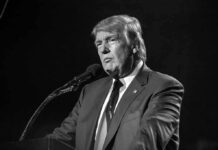
Donald Trump is reportedly advancing efforts to create a personal paramilitary force by leveraging federal agencies, military, and local law enforcement. Journalist Radley Balko outlines these moves as a means for Trump to consolidate power and serve his political interests. This initiative involves purging dissenters from the Defense Department and politicizing federal employment through Schedule F, enabling the replacement of nonpartisan civil servants with loyalists.
The use of federal forces for domestic purposes is not new, with previous deployments during protests in cities like Portland in 2020. However, the current plans indicate an escalation, with mass mobilizations targeting immigrants and political opponents. Trump’s unilateral deployment of the National Guard and Marines to Los Angeles in July 2025, against state objections, exemplifies this strategy. Such actions raise concerns about the normalization of military intervention in domestic affairs.
Legal and Bureaucratic Mechanisms
The implementation of Schedule F is a critical component of Trump’s strategy, facilitating the replacement of career officials with political loyalists across federal agencies. This move aims to ensure compliance with his directives and consolidate control over security forces. The purging of dissenters within the Defense Department further consolidates power, aligning military leadership with Trump’s objectives.
The controversy surrounding the use of state and local police for federal immigration enforcement continues, with ongoing legal challenges. These efforts have sparked debates over the limits of federal and state authority in law enforcement, highlighting the tension between federal control and state autonomy. The potential for widespread civil rights abuses is a significant concern among civil libertarians and watchdogs.
Implications for Democratic Norms and Civil Rights
The implications of Trump’s paramilitary force initiative are profound, threatening the erosion of democratic norms and increasing authoritarianism. The normalization of military intervention in domestic affairs poses risks to civil liberties, with potential for surveillance, detention, and violence against political opponents and immigrant communities. The strain on federal and state budgets for mass mobilizations further exacerbates social polarization and fear among targeted groups.
The creation of a personal paramilitary force sets a concerning precedent for future administrations, potentially allowing the use of security forces for political ends. This initiative underscores the need for vigilance in protecting democratic institutions and upholding the constitutional balance of power between federal and state authorities.
Sources:
Trump National Guard Deployment California
Trump’s Trial Run at a Police State