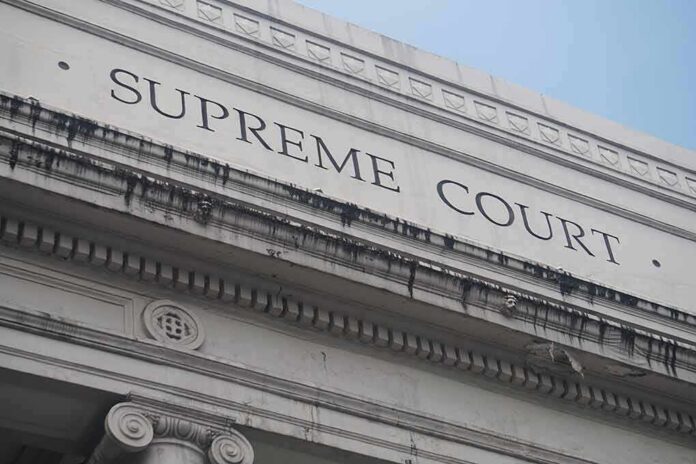
The Supreme Court kept new Postal Service ballot rules on hold for November, saying last-minute changes cannot upend how millions vote by mail.
Story Highlights
- The Supreme Court declined to let the Postal Service enforce new mail-ballot rules before the midterms.
- Lower courts found the rule likely unlawful and a threat to voters who rely on mailed ballots.
- The Trump administration argued the rule was needed to tighten security and track ballots.
- The legal fight spotlights limits on federal power over how states run elections.
What The Supreme Court’s Decision Does Right Now
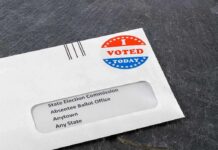
The Supreme Court’s order leaves in place lower-court blocks on the Postal Service’s “Ballot Mail for Federal Elections” rule for the upcoming election. That means states will keep using their current mail-ballot systems this November. The justices did not end the case. They paused changes that judges said could confuse voters and officials weeks before Election Day. The court often resists major election changes close to voting, to avoid chaos and unequal treatment of voters.
The rule grew from President Trump’s March order on election integrity and a final Postal Service regulation issued in late August. The government said the rule would standardize envelopes, require unique barcodes, and use voter lists from states to track ballot mailings. Officials argued these steps would fight fraud and improve delivery scans and auditing. The emergency filing said noncompliant mailings could be refused, to force consistent practices across states.
Why Lower Courts Blocked The Postal Service Rule
Federal judges said the Postal Service likely overstepped its legal authority by trying to set binding rules for how states send and return ballots. One court wrote that Congress told the Postal Service to move mail, not regulate elections, and that the Constitution gives election rulemaking to states and Congress, not federal agencies acting alone. Judges also warned the late rollout risked mass confusion and disenfranchisement if ballots were rejected over design or database issues.
An appeals court agreed and kept the block in place through November, citing the risk that millions could lose their vote for minor envelope or list errors, with little gain against fraud. A brief by the American Postal Workers Union warned the system could not be stood up nationwide this late without delivery problems or missed ballots that would fall on everyday voters, not on officials who set the rules. These findings weighed heavily in the Supreme Court’s decision to hold the line for now.
What Both Sides Say About Integrity And Access
The administration says stronger tracking and uniform envelopes would help confirm who gets a ballot and when it moves through the mail, closing gaps that allow error or abuse. Supporters argue that barcodes and consistent designs make it easier to scan, sort, and audit ballots quickly and fairly across the country. They frame the plan as common-sense quality control that protects every lawful vote by stopping mistakes and bad actors before they cause harm.
Opponents, including states and voting-rights groups, say the plan shifts election control from states to a federal agency and creates new failure points near Election Day. They note that Congress has not given the Postal Service power to police state ballot lists or refuse mail that fails new checks. They warn that late design approvals, database mismatches, or barcode errors could block eligible voters who did everything right, with little evidence of offsetting security benefits this cycle.
Big Picture: Power, Timing, And Voter Trust
This fight highlights a core limit in our system: federal agencies need clear laws from Congress before they change how elections run. Courts are signaling that guardrails matter, especially when changes arrive weeks before voting. Many Americans on the right want tougher safeguards. Many on the left fear barriers that block legal voters. A growing middle sees a government that lurches late and blames voters for its own scramble. That cycle erodes trust across the board.
🚨 Supreme Court blocks Trump-backed USPS mail-ballot rules before the midterms.
The administration wanted new voter-list and barcode requirements for mail ballots.
The Court refused to let the rules take effect for November, saying the government is “unlikely to succeed” on…
— XBIT (@XBITDEX) September 15, 2026
Looking ahead, the Supreme Court’s pause sets a clean rule for November: keep what works and fight over new rules after the election, with full briefing and lead time. If the administration wants national standards, it may need Congress to act first. If states want to protect access and certainty, they must also keep up chain-of-custody, tracking, and error-reduction steps. Restoring faith means proving that ballots move fast, get counted, and are secured without surprise hurdles.
Sources:
washingtontimes.com, reuters.com, cnbc.com, congress.gov, aclu.org
© patriotpostnews.com 2026. All rights reserved.