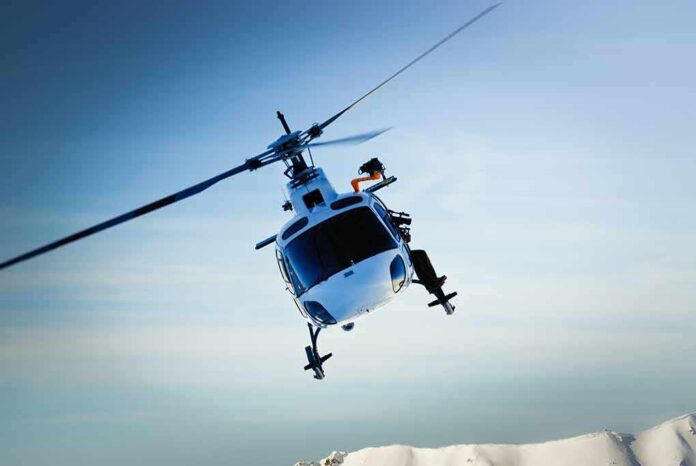
Three American tourists are dead after a helicopter tour operator crashed on a remote Hawaiian beach, raising urgent questions about the safety oversight of an industry that puts families at risk while regulators scramble to address a nationwide epidemic of aviation close calls.
Story Highlights
- Airborne Aviation helicopter crashed at Kalalau Beach on Kaua’i’s Nā Pali Coast, killing three and injuring two
- The crash occurred the same day as a Black Hawk near-miss with a commercial airliner in California, highlighting systemic aviation safety failures
- Over 15,000 close-call incidents reported nationwide between 2021 and 2024, yet tourist helicopter operations continue with minimal scrutiny
- Remote crash location required coordinated multi-agency rescue involving U.S. Coast Guard, complicating emergency response efforts
Deadly Crash at Remote Tourist Destination
Airborne Aviation’s helicopter went down at Kalalau Beach on Kaua’i’s Nā Pali Coast on March 26, 2026, at approximately 3:45 p.m., carrying one pilot and four passengers. The crash site’s extreme remoteness—accessible only by helicopter, boat, or an 11-mile hiking trail—immediately complicated rescue operations. Three passengers died at the scene while two others sustained injuries requiring emergency evacuation. The Kaua’i Fire Department coordinated with the U.S. Coast Guard, Kaua’i Emergency Management Agency, and Hawai’i Department of Land and Natural Resources to mount the multi-agency response.
Pattern of Aviation Safety Failures Emerges
The Kalalau Beach tragedy occurred on the same day a California Air National Guard Black Hawk helicopter had a close call with a United Airlines flight near John Wayne Airport in Orange County. This near-miss represents just one incident in a disturbing pattern: between 2021 and 2024, more than 15,000 close calls were reported nationwide in U.S. airspace. The FAA only recently tightened helicopter operating rules around airports following a deadly mid-air collision between a Blackhawk helicopter and a regional jet in 2025, moving away from outdated visual separation tactics to radar-based distance requirements.
Tourist Industry Puts Profits Over Safety
Helicopter tour operators like Airborne Aviation capitalize on Hawaii’s stunning landscapes, ferrying tourists to remote locations like the Nā Pali Coast for premium prices. Yet the industry operates with oversight that has proven insufficient to prevent repeated tragedies. National Transportation Safety Board Chair Jennifer Homendy has expressed ongoing concern over airport safety records, particularly regarding near-miss incidents, but regulatory action consistently lags behind the body count. The families of the three victims now join countless others who trusted an industry that prioritized scenic views over rigorous safety protocols and proper maintenance standards.
Federal Response Remains Inadequate
The FAA’s recent rule changes requiring radar-based separation represent a reactive measure following fatalities rather than proactive safety leadership. While controllers now must use radar to ensure helicopters and airplanes maintain proper distance at major airports, these regulations do not address the unique hazards of remote tour operations in challenging terrain. The Kaua’i crash investigation remains ongoing, with the Fire Department promising updates as information becomes available. However, past investigations have repeatedly identified systemic problems without producing meaningful reforms that prevent the next crash from claiming more American lives in pursuit of tourist dollars.
Sources:
Aviation Safety Network Wikibase Occurrence
Hollywood Burbank Airport near mid-air crash March 2026 – FOX 11 Los Angeles