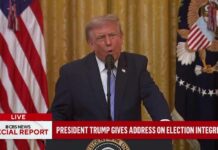
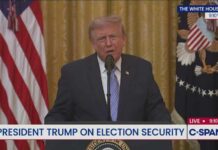
Trump’s name echoes across the fractured landscapes of Israel and Gaza—sparking a Nobel Peace Prize debate that could shift the narrative of Middle East diplomacy for years to come.
Story Snapshot
- Trump’s name is chanted by crowds in both Israel and Gaza amid renewed calls for his Nobel Peace Prize consideration.
- The phenomenon emerges as ceasefires and peace rallies sweep the region, linking nostalgia, political signaling, and frustration.
- Supporters cite the Abraham Accords as evidence of Trump’s transformative role in Middle East relations.
- Critics and experts debate the legacy and impact of Trump’s policies on lasting peace.
Public Chants and the Nobel Peace Prize Campaign
Ceasefire rallies erupt in both Tel Aviv and Gaza City as crowds chant “Trump!”—a rare moment where adversaries find common ground in invoking the name of an American president. The scene, captured on social media and international news, immediately fuels speculation: Is this raw gratitude, shrewd political theater, or a strategic play for global attention? Nobel Peace Prize advocacy surges, led by pro-Trump groups and echoed by some regional politicians, who argue his diplomatic efforts warrant recognition. The Abraham Accords—brokered under Trump—are at the center of this campaign, hailed as a historic breakthrough that normalized relations between Israel and several Arab states, reshaping alliances and opening new economic channels.
Chants in the streets are more than just noise. They are symbols of a deeper yearning for stability and peace, and for some, a calculated bid to remind the world that American influence—especially Trump’s style—can still broker change. Yet, beneath the cheers lies a swirl of controversy: Not all Israelis or Palestinians agree on the nature of Trump’s legacy, and the Nobel committee remains silent, wary of politicizing a prize meant for enduring peace.
Abraham Accords: Diplomatic Disruption or Lasting Legacy?
Trump’s administration shattered norms by recognizing Jerusalem as Israel’s capital and moving the U.S. embassy—moves widely criticized but embraced by key Israeli leaders. The Abraham Accords followed, with the United Arab Emirates, Bahrain, Sudan, and Morocco joining Israel in formalizing diplomatic ties. This diplomatic domino effect upended decades of isolation, promising new trade, travel, and security cooperation. Supporters argue these agreements defused old hostilities and set a new precedent for Arab-Israeli relations. However, critics point to unresolved core issues—the fate of Palestinian territories, persistent violence, and a stalled peace process. The region remains volatile, and while the Accords may have thawed some tensions, they have not resolved the fundamental dispute at the heart of the Israeli-Palestinian conflict.
Calls for Trump’s Nobel Peace Prize nomination peaked in 2020, with several European officials submitting formal recommendations. Yet, the Nobel committee’s cautious approach—rooted in a tradition of recognizing comprehensive peace solutions—has so far kept Trump off its list of laureates. The debate reignites in 2024 as chants and rallies revive the question: Should the prize honor breakthrough diplomacy even if lasting peace remains elusive?
Cross-Border Chants: Symbolism, Frustration, and Political Theater
Public demonstrations in Israel and Gaza draw attention not just for their calls to end violence but for their invocation of Trump’s name—a phenomenon rarely seen across divided lines. For some, the chants are pragmatic, an acknowledgment that American intervention can help broker temporary calm. For others, they reflect exasperation with current leadership and nostalgia for a period of high-stakes diplomacy. Regional commentators suggest the chants are as much about signaling dissatisfaction as genuine support. In Gaza, where skepticism toward American policy runs high, the spectacle of “Allah loves Trump” being chanted by Palestinians is both remarkable and divisive—revealing layers of complexity in public sentiment.
"Allah loves Trump" being chanted by Palestinians in Gaza! President Trump’s Name Chanted Across Israel and Gaza as Calls Grow for Nobel Peace Prize https://t.co/TO1zpqMKxa
— Jim Sheehy (@JimSheehy1) October 9, 2025
Media coverage amplifies the spectacle, but experts caution against taking the chants at face value. Political scientists and peace studies scholars warn that public demonstrations are often fleeting, shaped by social media and external pressures. The Nobel Peace Prize, meanwhile, remains an aspiration—its politics as intricate as the region it seeks to honor.
Impact, Expert Analysis, and the Future of Peace Recognition
The short-term effect of these chants and Nobel campaigns is increased global attention on Trump’s Middle East legacy. Politicians and advocacy groups seize the moment to push narratives, while regional governments recalibrate alliances. The Abraham Accords continue to drive economic and diplomatic cooperation, but social tensions persist. The long-term implications hinge on whether symbolic acts like public chants and Nobel nominations can translate into substantive change—a question that divides analysts and policymakers alike.
Industry experts remain split. Some see Trump’s approach as disruptive but necessary, crediting him with breaking diplomatic logjams. Others argue that true peace requires more than normalization—it demands resolution of core conflicts and a commitment to justice. The Nobel committee faces a dilemma: reward innovation in diplomacy, or uphold the tradition of honoring comprehensive peace processes. As the story unfolds, the world watches for the next chapter in Middle East peace—one where public sentiment, political theater, and international recognition continue to collide.
Sources:
New York Post: Gazans join Israelis in chanting Trump’s name over cease …
Yahoo News: Trump’s Name Chanted in Israel AND Gaza After Peace Deal …
Fox Sports Radio: Videos Show Israel, Palestine Celebrate After Trump …
Livemint: ‘Nobel Prize to Trump’: Crowds in Gaza, Tel Aviv hail …