President Trump’s secret military authorization against Latin American cartels—now classified as terrorist organizations—signals a major escalation in the fight to defend American communities from deadly fentanyl and unchecked border chaos.
Story Snapshot
- Trump authorizes U.S. military force to target cartels trafficking fentanyl across the southern border.
- Cartels, including Venezuela’s Cartel de Los Soles, newly classified as foreign terrorist organizations.
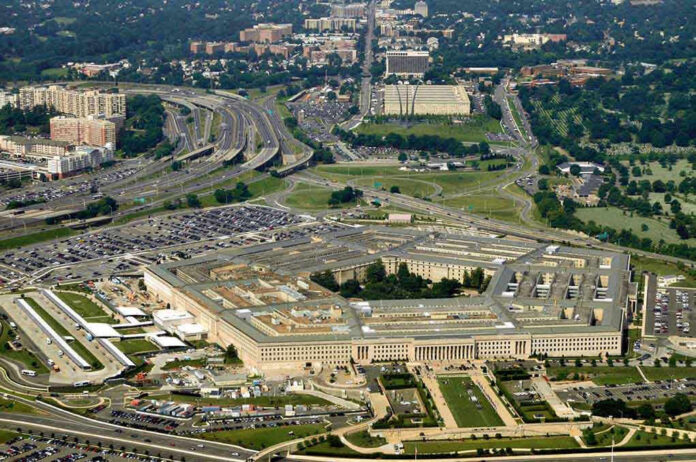
- Multiple federal agencies coordinate to prepare military options, with the Pentagon leading planning efforts.
- Mexico’s government opposes any U.S. military operations on its soil, igniting fierce diplomatic debate.
Trump’s Directive: A Turning Point in Border Security
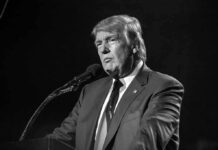
On August 8, 2025, President Donald Trump signed a secret directive empowering the Pentagon to develop military strategies targeting Latin American drug cartels now officially labeled as foreign terrorist organizations. This directive specifically aims at disrupting the flow of fentanyl and other deadly drugs pouring over the U.S.-Mexico border. Previous administrations failed to secure the border or address the opioid crisis’ root causes, but Trump’s new approach marks a decisive shift from reactive law enforcement to proactive military deterrence. The move is coordinated with the Departments of Defense, Justice, Homeland Security, National Intelligence, and Treasury, signaling a whole-of-government effort to restore order and protect American lives.
For years, cartels have exploited porous borders and weak enforcement, fueling an opioid epidemic that devastates families and communities across the nation. The decision to classify groups like Venezuela’s Cartel de Los Soles as terrorist organizations provides U.S. forces with expanded legal authority to target cartel leadership and infrastructure. While critics worry about the legal and diplomatic consequences, supporters argue that bold action is overdue given the record-high overdose deaths and the inability of previous policies to stop the flow of illicit drugs. The Trump administration’s willingness to confront cartels as foreign threats, rather than ordinary criminals, resonates with many Americans who are weary of rising crime and addiction fueled by cross-border trafficking.
Diplomatic Fallout and Mexican Opposition
Shortly after news of the directive broke, Mexican President Claudia Sheinbaum publicly condemned any possibility of U.S. military operations on Mexican territory, declaring that “The United States is not going to come to Mexico with the military… that is ruled out.” Despite this strong opposition from a key regional partner, the Trump administration has made clear that its top priority is the safety and security of American citizens. While military action has not yet been executed, senior officials confirm that planning and interagency coordination are actively underway. The situation has introduced new diplomatic tensions but also underscores the administration’s resolve to act when American lives are at stake.
Analysts point to previous U.S. counternarcotics efforts in Latin America, such as Plan Colombia, but note that direct military action against cartels classified as terrorists is without precedent. Legal experts caution that cross-border military operations could violate international law or Mexican sovereignty, but administration officials emphasize that all options are on the table given the scale of the fentanyl crisis. The Trump administration’s approach has sparked debate in Washington and beyond, with some warning of “mission creep” and others applauding the president for finally taking the threat seriously.
Implications for America’s Future Security
This aggressive stance against drug cartels is rooted in a commitment to defend American families, uphold the rule of law, and restore constitutional order at the border. In the short term, the threat of military force may deter cartels and disrupt their operations, but it also risks straining U.S.-Mexico relations and could set a precedent for future interventions against non-state actors. Long-term, this policy shift could redefine how America counters transnational threats and addresses the failures of past “globalist” and “open border” agendas. The Trump administration’s willingness to use all available tools—including military power—reflects a broader desire to reclaim national sovereignty and protect citizens from the deadly consequences of cartel-driven chaos.
Trump approves military action against Latin American cartels classified as terrorist organizations https://t.co/VNR7ZwIB7i
— Tim Ricklefs (@TimRicklefs3) August 9, 2025
As the Pentagon finalizes options and the world watches, one thing is certain: the era of passive response to cartel violence and border insecurity is over. With Trump at the helm, American leadership is once again asserting its right to defend the homeland—no matter how loud the objections from those who prefer appeasement or inaction. The ultimate outcome remains uncertain, but for millions of Americans desperate for real solutions, this moment represents a long-awaited stand for sovereignty, security, and the rule of law.
Sources:
Trump directs Pentagon to prepare military options for drug cartels – ABC News