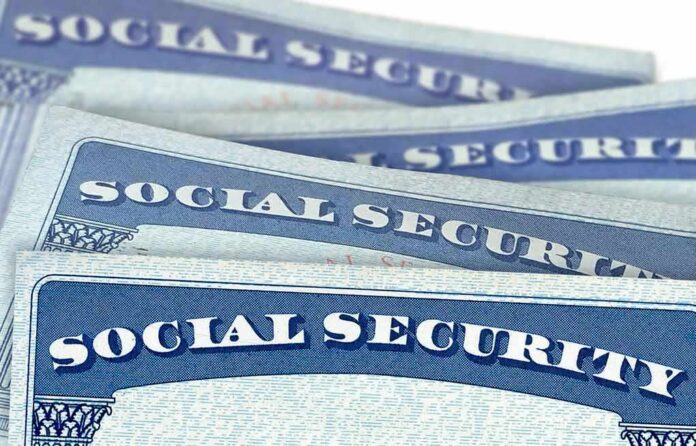
Federal prosecutors say five undocumented immigrants used stolen Social Security numbers to rack up about $140,000 in debt, then tried to wipe it out in bankruptcy filings.
Story Snapshot
- Prosecutors charged five people with using stolen Social Security numbers to get credit and erase about $140,000 in debt.
- Agents arrested four in pre-dawn California raids tied to retailer credit and online finance accounts.
- The case fits a long pattern of Social Security number misuse connected to identity theft and fraud.
- Government watchdogs say tens of thousands of Social Security misuse reports surface each year.
What Prosecutors Say Happened
Federal prosecutors filed separate criminal complaints against five defendants who, they say, used other people’s Social Security numbers to open credit lines. The group then allegedly ran up tens of thousands of dollars in purchases and tried to clear the balances by filing bankruptcy petitions. First Assistant United States Attorney Bill Essayli described about $140,000 in debt tied to the scheme. Authorities said four of the five were arrested during a coordinated sweep in Southern California.
Court papers in one related arrest detail retail and online finance buys, including a charge at a national music retailer, with alleged fraudulent credit totaling at least $15,964. Agents said the suspect applied for store credit and other accounts using false or stolen Social Security numbers. The arrest followed early-morning raids that targeted addresses linked to the alleged activity. The charges include identity theft and fraud involving access devices over $1,000, which carry federal penalties.
How The Alleged Scheme Worked
Investigators say the accused used stolen identities to pass credit checks at retailers and payment services. Once approved, they allegedly bought goods quickly, often expensive items that could be resold. Prosecutors claim some later turned to the bankruptcy courts to discharge the balances tied to those fraudulent accounts. That mix of identity theft, credit fraud, and bankruptcy abuse is a known pattern that federal agencies have pursued in other identity theft cases across the country.
The law treats misuse of a Social Security number as a gateway to many types of fraud. Past indictments show how a stolen identity can open doors to bank accounts, car loans, consumer credit, and benefits. In separate cases, the Department of Justice charged noncitizens with aggravated identity theft and misuse of Social Security numbers, underscoring that status violations often come paired with financial crimes when records support the charges.
Why This Case Hits A Nerve
Identity theft drains time and money from families who did nothing wrong. When thieves tie your Social Security number to new debt, you face calls from collectors, credit score hits, and months of cleanup. Federal watchdogs report that allegations of Social Security number misuse surged in the late 1990s and early 2000s and remain a regular problem. The Government Accountability Office documented a rise from about 11,000 to about 65,000 allegations in just three years.
🚨 ONEMAIN FINANCIAL HIT WITH CLASS ACTION OVER DATA BREACH: A proposed nationwide class action filed in Maryland federal court alleges OneMain Financial failed to adequately protect customer information exposed in a recent breach, including names, addresses and Social Security…
— MDBayNews (@MDBayNews) October 4, 2026
Both major parties say they want secure borders and fair systems, yet cases like this feed a shared fear: basic safeguards are not working. People on the right see weak enforcement and rising costs. People on the left see predatory fraud that preys on workers and widens gaps. Both see a system that makes victims fight to fix messes they did not make. Agencies advise victims to place fraud alerts, check credit reports, and report misuse quickly to limit damage.
What Comes Next In Court
The defendants face federal charges that can bring prison time and fines if convicted. Aggravated identity theft carries a mandatory two-year prison term on top of other sentences. Fraud involving access devices over $1,000 can add years more. Prosecutors will present records like credit applications, purchase logs, bankruptcy filings, and identification documents. Defense lawyers can challenge how data was gathered and whether the accused knew the numbers belonged to real people.
Bottom Line For Readers
This case shows how one stolen number can spiral into debt, court notices, and lasting harm. It also shows why many Americans feel the system protects insiders while leaving regular people to fend for themselves. Keep a close watch on your credit, use account alerts, and act fast if something looks off. Prosecutors say they will keep making these cases, but early steps by each of us still matter most when a thief targets our identity.
Sources:
townhall.com, nypost.com, justice.gov, oig-demo.ssa.gov
© patriotpostnews.com 2026. All rights reserved.