
President Trump’s $2 billion plan to “beautify” Washington, D.C. is colliding head-on with conservative resistance in Congress, exposing deep divisions over federal spending, local control, and the future of America’s capital.
Story Snapshot
- Trump’s initiative aims to overhaul streets, architecture, and crime prevention in D.C., but faces pushback from fiscal hawks wary of new spending.
- Congressional conservatives question pouring billions into a city they view as mismanaged and emblematic of failed liberal policies.
- Executive orders seek to impose classical design standards and crack down on crime near the White House and Capitol.
- The funding and fate of the plan remain uncertain amid tense debates over debt, symbolism, and federal authority.
Trump’s $2 Billion Vision Tests Conservative Priorities
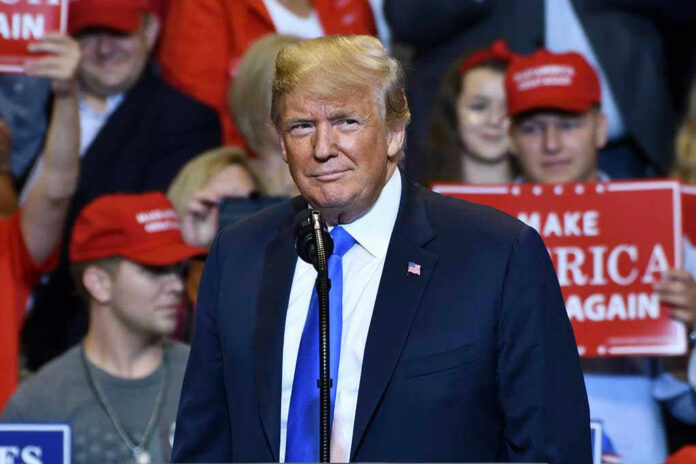
In the summer of 2025, President Trump unveiled a sweeping $2 billion federal plan to revitalize a three-mile corridor surrounding the White House and U.S. Capitol. His vision calls for new streets, infrastructure improvements, and aggressive crime prevention, all orchestrated through a federally appointed task force. Trump’s message is clear: America’s capital should reflect national pride and strength, showcasing security and classical beauty to the world. However, his proposal has ignited fierce debate within his own party, especially among conservatives who have long championed fiscal restraint and limited government intervention.
Congressional fiscal hawks—traditionally strong voices for reining in government excess—have emerged as some of the plan’s most vocal critics. Their skepticism is rooted in both principle and politics. Many are wary of investing massive sums in what they see as a “liberal town” plagued by years of mismanagement, rising crime, and bloated local bureaucracy. Despite the symbolic appeal of a safer, more dignified capital, these lawmakers see the $2 billion price tag as a threat to ongoing efforts to cut the national debt and restore fiscal discipline. For them, any new federal initiative—especially one targeting D.C.—must clear a high bar for accountability and necessity.
Executive Orders: Crime Crackdown and Classical Design
Trump’s strategy to bypass some legislative gridlock has relied heavily on executive orders. In March 2025, he signed an order establishing a “Safe and Beautiful” task force, directing federal agencies like Homeland Security and the Justice Department to coordinate with local authorities on crime prevention. The administration’s message is unapologetic: “We need to take care of these criminals and get them out of here.” Trump doubled down in August with a mandate that all new federal buildings in the area adhere to classical architectural standards, a move that channels the Founders’ vision and rejects modernist trends. These orders place federal authority—and symbolism—at the center of the city’s future.
Despite these actions, the plan’s financial underpinnings remain in limbo. The White House claims the project could be completed within a year if Congress approves the funding. Yet, budget discussions have stalled, with lawmakers on key committees demanding greater oversight and transparency. D.C.’s local government, meanwhile, is pushing for autonomy and a direct role in how any federal dollars are spent, underscoring the city’s unique status and the ongoing tension between federal and local control.
Political and Economic Stakes: Symbolism vs. Spending
The stakes of this debate extend far beyond city blocks and building facades. Supporters argue that a revitalized, secure capital will boost tourism, benefit local businesses, and restore national pride—a powerful symbol after years of headlines about urban decay and public safety concerns. With over 27 million annual visitors and $11.4 billion in economic activity tied to D.C. tourism, the city’s image carries national significance. Critics, however, warn of an expensive federal intervention setting a precedent for future overreach and ballooning debt. They question whether symbolic improvements justify the cost, especially when core conservative values—like fiscal responsibility and respect for local governance—are at stake.
Expert commentary reflects this divide. Fiscal watchdogs urge spending cuts and rigorous oversight, pointing to the nation’s growing debt. Urban planners and architects are split: some applaud a return to classicism, while others caution against politicizing design. Scholars note the plan’s potential to reshape not just the city, but the balance of power between federal authority and local autonomy—a core constitutional concern for many conservatives.
Future Uncertain as Debate Continues
As Congress continues to deliberate, the outcome of Trump’s D.C. beautification initiative remains uncertain. With executive orders in place but funding unresolved, the plan stands as a high-profile test of whether conservative principles of limited government and fiscal prudence can coexist with the desire for a capital city that embodies American greatness. The fight over D.C.’s future is about more than streets and buildings; it’s a battle over the soul and priorities of the nation itself.
Sources:
Pres. Trump wants $2 billion from Congress to beautify 3 miles around White House
President Trump DC beautification plan sparks federal takeover debate
Executive Order: Making the District of Columbia Safe and Beautiful
Executive Order: Making Federal Architecture Beautiful Again