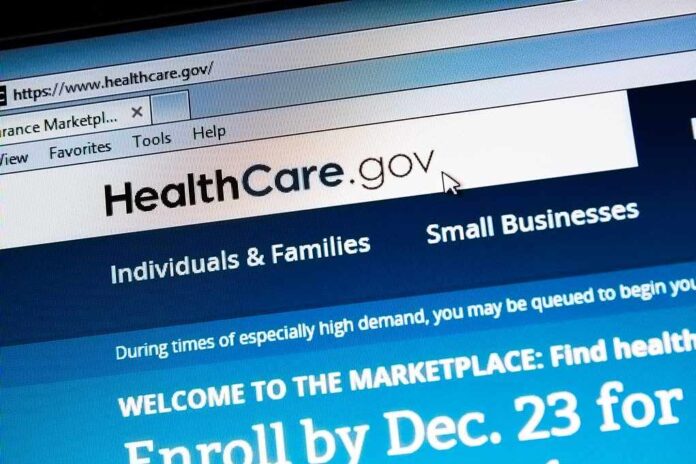
The House GOP’s new healthcare plan could reshape the future of healthcare for millions as ACA subsidies face expiration.
Story Snapshot
- House GOP unveiled a healthcare plan excluding ACA subsidy extensions.
- Plan includes cost-sharing reductions and group health insurance options.
- ACA subsidies set to expire soon could double premiums for 22 million Americans.
- Vote on the GOP plan is scheduled for next week.
GOP’s Healthcare Plan: Key Components
The House Republicans introduced a healthcare proposal on December 12, 2025. This plan focuses on reinstating cost-sharing reductions and allowing small businesses to purchase group health insurance. However, it notably excludes the extension of enhanced Affordable Care Act (ACA) subsidies. These subsidies, set to expire soon, have been crucial in keeping healthcare premiums affordable for 22 million Americans. The lack of extension could result in premiums doubling for these individuals, sparking significant concern among stakeholders.
The GOP plan is seen as a contrast to Democratic calls for extending subsidies. Instead of subsidizing insurance companies, the Republicans aim to address healthcare costs through structural reforms. By doing so, they believe this approach will stabilize the market without the need for direct financial support to insurers. The plan’s rejection of subsidies highlights a fundamental ideological difference between the two parties on how to manage healthcare affordability.
Historical Context of ACA Subsidies
Enhanced ACA subsidies were introduced in the 2021 American Rescue Plan Act to make health coverage more affordable during the COVID-19 pandemic. These subsidies were temporarily extended through the 2022 Inflation Reduction Act but are now on the verge of expiration. Without renewal, millions face the prospect of soaring premiums. The House GOP proposal is being positioned as an alternative to these extensions, focusing instead on reforms believed to address long-term cost issues.
Previous attempts to repeal the ACA, such as in 2017, failed, showing the contentious nature of healthcare reform. Recent bipartisan efforts, including a proposal led by Reps. Jen Kiggans and Josh Gottheimer, sought a one-year extension of ACA subsidies with income restrictions. However, GOP leadership dismissed this, favoring their structural reform approach instead.
Stakeholders and Their Motivations
House Republicans, led by Speaker Mike Johnson, are the primary architects of this healthcare plan. Their motivation lies in reducing healthcare costs through structural changes rather than extending subsidies, which they view as temporary fixes. On the other hand, Democrats and some bipartisan groups are advocating for subsidy extensions to prevent immediate premium hikes and maintain stability in the ACA marketplace.
Small businesses and insurers are also key stakeholders. Small businesses stand to benefit from the ability to purchase group health insurance, potentially reducing their costs. Insurers, however, may face challenges if enrollment drops due to the lack of subsidies. This dynamic underscores the varied interests at play as the healthcare debate unfolds in Congress.
Potential Impacts and Future Outlook
The immediate impact of the GOP’s plan could be significant, with the expiration of ACA subsidies leading to doubled premiums for millions. This could result in an increase in the uninsured rate as individuals are priced out of coverage. In the long term, if the GOP’s structural reforms are enacted, there might be a reduction in healthcare costs, but the transition could be disruptive without a safety net like subsidies.
Economically, premium hikes would strain many households, potentially leading to increased financial hardship. Socially, coverage gaps could exacerbate existing health disparities. Politically, the GOP’s approach will test their party’s unity and could influence voter sentiment ahead of the 2026 midterms. The healthcare industry, particularly insurers, will need to navigate these changes carefully as they adapt to a potentially altered market landscape.