Iran is experiencing its largest wave of protests since the 2025–2026 cycle began, with a strategic shift in tactics by the demonstrators.
Story Overview
- The protests, which began in December 2025 over economic issues, have escalated into nationwide anti-regime demonstrations.
- Protesters have adopted decentralized and adaptive tactics, complicating state repression efforts.
- Authorities have responded with internet blackouts, increased security, and the use of force to suppress the movement.
- The protests have expanded dramatically, with a significant rise in both size and frequency by early January 2026.
Protests Escalate Nationwide
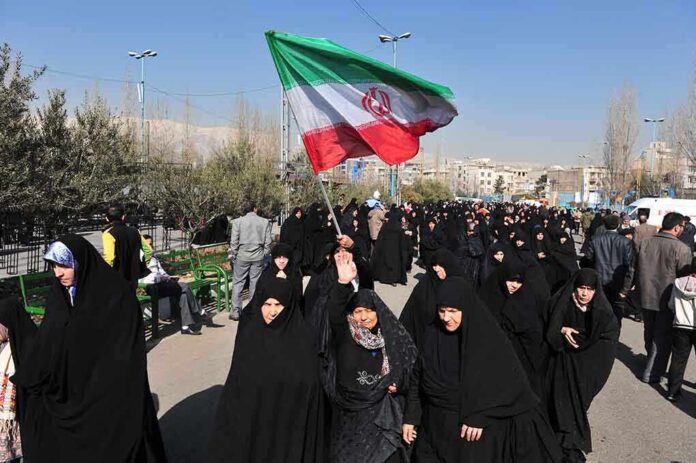
Protests erupted in Iran on December 28, 2025, sparked by economic grievances including inflation and currency collapse. These demonstrations quickly grew into a formidable nationwide movement, explicitly challenging the regime. By January 8, 2026, the protests had reached unprecedented levels, spreading rapidly in both magnitude and geographic scope. Protesters have moved from static gatherings to dynamic actions, including night-time protests from homes, market strikes, and university demonstrations.
The Iranian authorities have responded with severe measures. Internet and phone services have been cut to curb mobilization and restrict international awareness. Security forces have been deployed extensively, employing tear gas and live ammunition in some areas, leading to heightened tensions and violence. As of early January, reports indicated that at least 42 people had been killed and over 2,270 detained, underscoring the regime’s determination to quash dissent.
Decentralized Tactics Challenge the Regime
The protesters have adopted a decentralized approach, making it difficult for authorities to suppress the movement effectively. This shift includes short, mobile gatherings and the use of social media for coordination, despite the regime’s attempts to block communications. The protests have also spread to multiple fronts, with significant participation from bazaars, universities, and urban neighborhoods. This strategic evolution complicates the regime’s efforts to maintain control, as the movement gains momentum and international attention.
The Iranian government’s response has been to tighten control over central urban areas and key institutions, but the protests continue unabated. The movement’s decentralized nature means there is no single leadership, but widespread anti-regime sentiment persists. This resilience highlights the growing discontent within Iranian society, particularly among the younger generation, who are less invested in incremental reforms and more inclined towards fundamental political change.
Iran Witnesses Biggest Protests So Far As Demonstrators Change Tactics https://t.co/aWp1CGRH07 Iran Protests Enter Twelfth Day as Deadly Crackdown, Internet Blackout, and Nationwide Strikes Intensify https://t.co/ZfCnVw7QCG
— 'ℳ' .。.:*・🦋®︎ (@Quincampoix_jp) January 9, 2026
Historical Context and Current Developments
The current wave of protests is rooted in longstanding grievances against the Iranian regime, including economic mismanagement, authoritarian governance, and social restrictions. This cycle of dissent echoes previous large-scale protests in Iran, such as the 2009 Green Movement and the 2019 fuel price protests. However, the current movement is distinguished by its rapid escalation and innovative tactics, marking a significant challenge to the regime’s authority.
Internationally, the protests have drawn attention and condemnation from foreign governments and media, highlighting Iran’s ongoing internal strife. The U.S. and other Western nations have expressed concern over the regime’s use of force against peaceful demonstrators. As the situation develops, the Iranian regime faces increasing pressure both domestically and internationally to address the underlying issues driving the unrest.
Sources:
Institute for the Study of War