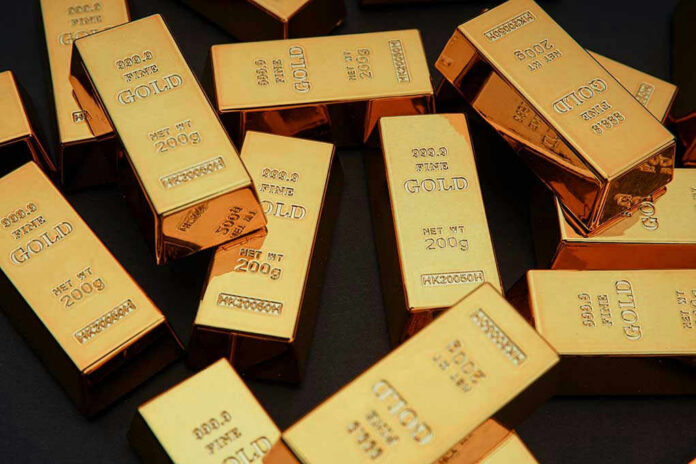
America’s $425 billion gold reserve at Fort Knox has not undergone a genuine independent audit in over 70 years, leaving taxpayers in the dark about whether their nation’s wealth even exists.
Story Snapshot
- Fort Knox’s 147.4 million ounces of gold have faced only two comprehensive audits since 1953, with the last real verification occurring over seven decades ago.
- Seven critical audit reports from 1975-1984 have vanished, while “permanent” seals meant to secure reserves were found broken with no explanation.
- Congressional representatives have been denied physical access for nearly 40 years, while Treasury relies on internal paperwork reviews instead of independent verification.
- FOIA requests exposed alarming incompetence including scale malfunctions, missing bar tracking, and assay testing covering just 3% of reserves by 2011.
Seven Decades Without Real Verification
Fort Knox holds approximately half of America’s 261 million ounces of gold reserves, valued at over $425 billion at current market prices. The facility underwent a partial audit in 1953 that confirmed large quantities but failed to weigh every bar. A second significant audit occurred in September 1974, followed by the establishment of the Committee for Continuing Audit of U.S. Government-owned Gold, which mandated annual verifications through 1986. Since 1985, no independent physical audits involving counting, weighing, or purity testing have taken place. Treasury officials claim annual internal reviews confirm all gold is present, yet these amount to paperwork exercises that assume prior accuracy without physical verification.
Missing Records and Broken Seals Raise Red Flags
Between 1975 and 1984, seven audit reports mysteriously disappeared from official records. The Committee’s protocols claimed 97% of reserves were sealed by 1986 using “permanent” joint seals intended to guarantee inventory integrity. However, evidence reveals these seals were broken without documented explanations, undermining the entire verification system. FOIA requests covering 1993-2008 exposed systemic failures including compartment tracking errors, inadequate sample sizes for assay testing, scale malfunctions confusing troy ounces with standard ounces, and a complete absence of joint seal inspections for an entire decade from 1993 to 2003. This pattern reflects either staggering bureaucratic incompetence or deliberate obfuscation of the truth about America’s gold holdings.
Congressional Oversight Stonewalled by Treasury
Representatives tasked with protecting taxpayer assets have been systematically denied meaningful access to Fort Knox for approximately 40 years. A 2011 congressional hearing revealed that assay reports existed for only 3% of the nation’s gold reserves, a shockingly inadequate sampling for verifying hundreds of billions in national wealth. Treasury Secretary Steven Mnuchin conducted a brief inspection in 2017 during the Trump administration and declared the gold “safe,” but this symbolic visit fell far short of a comprehensive independent audit. FOIA requesters received only 134 pages out of 1,200 requested documents, with Treasury officials providing limited data while resisting external scrutiny. This stonewalling undermines the constitutional principle of government accountability to the American people.
Implications for Dollar Stability and National Trust
The lack of transparency surrounding Fort Knox erodes public confidence in U.S. financial institutions at a time when fiscal responsibility matters most. Established in 1937 following the Gold Reserve Act of 1934, Fort Knox was intended to secure America’s wealth after the Great Depression-era banking panics. Gold’s role has shifted from monetary backing to strategic reserve, yet verification protocols have not kept pace with the asset’s current $425 billion valuation. The absence of independent audits fuels justified skepticism about fiat currency stability, potentially driving investors toward physical gold and alternative assets. If discrepancies eventually surface, the economic and political shockwaves could severely damage America’s credibility in international financial markets. Taxpayers deserve full transparency regarding assets they ultimately own, and the Trump administration’s push for government accountability should extend to demanding a comprehensive, independent audit of Fort Knox immediately.
Sources:
Fort Knox’s Limited Audit History: A Legacy of Uncertainty
U.S. Mint Releases Fort Knox Audit
Fort Knox: What If It’s Empty?
Gold Price Records and Fort Knox Audit Debate 2025
Fort Knox Through the Decades: The History of America’s Gold Vault