With Iran choking off a key global oil artery, the Trump Treasury just made a tightly limited move on Russian oil sanctions to keep American families from getting hammered at the pump.
Quick Take
- The Treasury Department temporarily authorized transactions involving Russian crude and petroleum products that were already in transit at sea, with the relief set to expire April 11, 2026.
- The stated purpose is to reduce global supply pressure and counter crude price spikes linked to Iran’s effective closure of the Strait of Hormuz during the current U.S.-Iran conflict.
- Treasury Secretary Scott Bessent said the authorization is narrowly tailored to “stranded” cargo and designed to deliver no significant financial benefit to Russia.
- The action follows other price-stabilization steps, including Strategic Petroleum Reserve releases and discussions of additional emergency logistics measures.
Treasury’s Narrow Sanctions Move Targets Oil “Already at Sea”
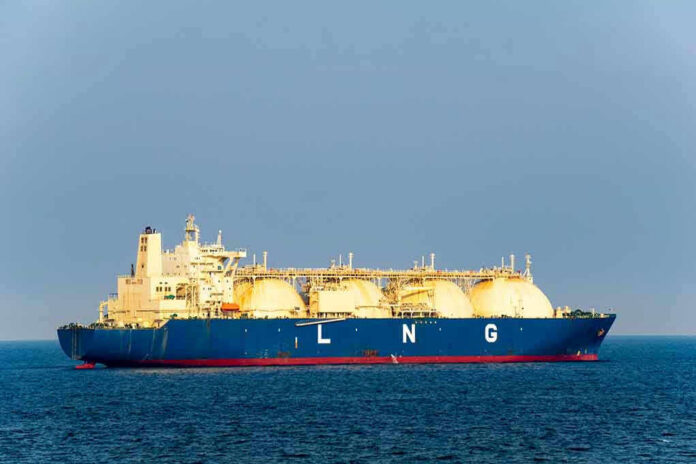
U.S. Treasury officials announced a temporary easing of sanctions for Russian crude oil and petroleum products that were already in transit at sea when the authorization was issued. The measure is time-limited through April 11, 2026, and is framed as a practical response to a sudden supply crunch rather than a broader change in Russia policy. Treasury Secretary Scott Bessent said the action is “narrowly tailored” and applies only to stranded shipments.
The key detail is scope. The authorization focuses on allowing sales and offloading of cargoes that are already moving on the water, not opening the door to a new wave of Russian purchases. Treasury’s public messaging emphasizes that the intent is stabilizing energy markets during a war-driven disruption, while still keeping broader pressure on Moscow’s economy. That distinction matters, because oil sanctions have been a central Western tool since Russia’s 2022 invasion of Ukraine.
Iran’s Hormuz Blockade Is Driving the Immediate Energy Shock
Iran’s retaliation after U.S. strikes in late February 2026 has included attacks on commercial vessels and an effective shutdown of the Strait of Hormuz, a chokepoint that typically carries about one-fifth of the world’s oil. Traffic reportedly collapsed as risks rose, and the International Energy Agency described the disruption as the largest of its kind. As the blockade tightened, crude prices surged, forcing governments to consider emergency supply measures.
The broader military context is changing fast. Reports described Iran’s new supreme leader, Mojtaba Khamenei, vowing to keep the strait closed as leverage. A March 11 strike that hit an oil tanker at Iraq’s Khor al-Zubair port near Basra underscored that the threat is not theoretical. That is the backdrop to Washington’s decision: the U.S. can drill at record levels, but it cannot instantly replace a global seaborne bottleneck with domestic production alone.
How the Trump Administration Is Trying to Blunt Pain at the Pump
President Trump’s team has paired the limited sanctions authorization with other tools aimed at preventing a long, grinding price spiral for American consumers. The U.S. has moved to release significant volumes from the Strategic Petroleum Reserve, with additional coordinated releases reported among allied countries. Officials have also examined emergency shipping and logistics options, including discussions around a Jones Act waiver and additional backing for tanker insurance as vessels face elevated risk.
Those levers come with constraints. Strategic reserve releases can buy time, but they do not solve the underlying physical problem if shipping lanes remain too dangerous to use. Insurance support can encourage tankers to sail, but it cannot remove the threat of missiles, drones, or mines. Even the Russian “already at sea” authorization is, by design, a short bridge. Energy markets ultimately respond to secure supply routes, and the Trump administration’s policy challenge is balancing military pressure with economic stability.
Russia Revenue Questions: What We Know, and What We Don’t
Critics worry that any sanctions relief could help Moscow fund its war effort. Supporters point to the administration’s stated limits and to the way Russia collects revenue. Business reporting cited analysis that Russia’s biggest take is often upstream, through extraction taxes, meaning a narrow permission to unload stranded cargo may not translate into a major new windfall. Treasury’s position is that the authorization delivers no significant benefit to Russia while addressing a market emergency.
As Crude Prices Surge, US Lifts Sanctions on Russian Oil ‘Already at Sea’ https://t.co/PDFIXJwsl3
— The Gateway Pundit (@gatewaypundit) March 13, 2026
At the same time, the available reporting suggests Russia has adapted to years of restrictions through a “shadow fleet” and by redirecting flows toward Asia, especially China and India. That history is why skepticism persists, and it is also why narrowly tailored language and firm expiration dates matter. Based on the public details so far, the relief appears designed as a pressure-release valve during a wartime shock, not a rewriting of the sanctions regime.
Sources:
As Crude Prices Surge, US Lifts Sanctions on Russian Oil ‘Already at Sea’
US temporarily lifts sanctions on Russian oil amid Iran prices spike