America’s missile stocks have fallen fast enough that even allies and rivals are taking notice.
Quick Take
- Center for Strategic and International Studies analysts said Patriot and Terminal High Altitude Area Defense stocks dropped sharply after the Iran war surge.
- Recent reporting says the United States used large parts of its long-range missile inventory in the conflict.
- Multiple outlets say rebuilding those stocks could take years, not months.
- The shortage has raised fresh questions about whether the United States can fight one major war and still deter another.
Stockpile losses are now visible
The latest reporting shows a clear wartime drain on some of the Pentagon’s most important weapons. Center for Strategic and International Studies researchers estimated that fewer than 827 Patriot interceptors and fewer than 278 Terminal High Altitude Area Defense interceptors remained after the latest surge in fighting with Iran. That is a steep drop from their prewar estimates of about 2,200 Patriots and 452 Terminal High Altitude Area Defense missiles.
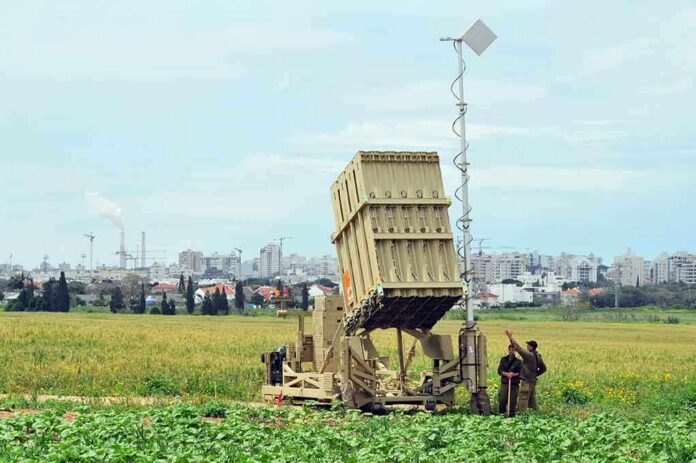
Those numbers matter because these are not generic rounds. They are the missiles used to stop incoming aircraft, drones, and ballistic threats. ABC News reported that the war has depleted key air defense weapons and that the shortage could affect President Trump as he weighs whether to renew the conflict. Other reporting says the United States has spent heavily and used about half of at least four critical munitions since the fighting began.
Why the shortage worries military planners
The concern is not only how much was used. It is how long replacement will take. Several reports based on the same Center for Strategic and International Studies analysis say the United States may need years to restore key stockpiles to prewar levels. In some cases, analysts said recovery could stretch into 2029 or later, especially for the most in-demand missiles.
That creates a real planning problem. The United States can still defend itself and its allies now, but a thinner stockpile leaves less room for another fast-moving crisis. That is why this story resonates across party lines. Supporters of a tougher America First posture see a warning about overuse and weak industrial depth. Critics see another sign that the country keeps treating endless conflict as routine while the supply system lags behind reality.
China and Russia are the wider backdrop
The strategic fear is bigger than the Iran war itself. Defense reporting has long warned that wartime spending can expose a gap between what the United States can launch and what its factories can replace. The current shortage feeds that debate because it touches the core of deterrence: whether Washington can keep enough high-end weapons on hand to discourage China or Russia from gambling on a wider war.
Even officials and analysts who disagree on the size of the risk agree on one basic point: production cannot snap back overnight. The Center for Strategic and International Studies said rebuilding complex missile inventories takes time, and other coverage quoted defense officials and analysts warning that the window of vulnerability may last for years. For many Americans, that is the larger frustration. A government that spends at wartime speed still struggles to refill the shelves when the shooting slows.
Sources:
feedpress.me, cnn.com, aljazeera.com, abcnews.com, fortune.com, youtube.com, bbc.com, foxnews.com, pbs.org, brookings.edu, facebook.com
© patriotpostnews.com 2026. All rights reserved.