

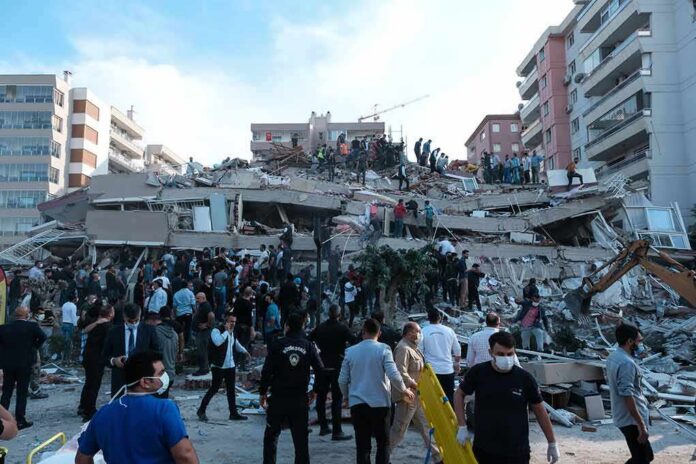
Ukrainian regional officials say Russia hit dozens of communities in a day, leaving two dead and 41 wounded in Zaporizhzhia and injuring four children in a family home in Rivne.
Story Snapshot
- Zaporizhzhia officials reported two killed and 41 wounded after widespread strikes.
- Regional accounts cited more than 1,000 attacks across 56 settlements in one day.
- A drone strike in Rivne wounded a large family, including four children.
- Independent monitors say early wartime tallies often change as rescue work continues.
What Regional Authorities Reported in Zaporizhzhia
Zaporizhzhia’s regional leadership reported two people killed and 41 injured after strikes over a single day. Officials described attacks across the city and district, with damage to residential areas and infrastructure. Their account fits a pattern seen in this phase of the war, where strikes hit multiple communities near key fronts. The figures reflect a snapshot from local authorities. They may change as first responders clear rubble and check hospitals for updated counts.
Local reports also pointed to an unusually high volume of fire over that period. One outlet, citing regional sources, described more than 1,000 strikes across 56 settlements in the oblast. That scale suggests a day of heavy pressure on civilian areas and services, even if each community faced different kinds of weapons and damage. Such breadth strains emergency crews, stretches hospital beds, and raises the chance that casualty tallies will move as the situation develops.
Rivne Drone Strike and Harm to Children
In western Ukraine’s Rivne region, officials said a drone hit a home late afternoon, injuring seven members of a large family, including four children. The strike happened away from the main front lines, which underscores how these attacks now reach far from trenches and artillery duels. Emergency teams responded to treat injuries and secure the area. Damage to a family residence deepens fear among civilians who feel the war can reach any address, at any hour.
The Rivne case mirrors other reported incidents that target or impact homes, dorms, and basic services. Families often shelter in interior rooms or basements, but drones and glide bombs can defeat light cover. Even when buildings do not collapse, blast waves break windows, send shrapnel, and ignite fires. That is why local health workers warn about secondary injuries and delayed trauma checks after the first surge of patients, especially among children and the elderly.
Why Early Totals Shift and What That Means for Readers
International monitors have long explained why numbers move during active conflicts. The Organization for Security and Co-operation in Europe’s human rights office has said it gathers witness accounts and open-source data, yet cannot always verify initial casualty totals during fast-moving events. This does not erase what happened. It helps set expectations: first numbers guide rescue work and public safety, then investigators refine the record. Readers should expect updates as authorities cross-check hospitals and damage sites.
Strikes on Civilian Infrastructure in Ukraine and Russia: Oct. 9-11, 2026 CIT Volunteer Summary:
Over the past weekend, reports emerged of at least 45 civilians killed and 207 others injuredIn the Kyiv region, 17 people, including a child, were injured as a result of UAV and… pic.twitter.com/HaBKHQMpet
— CIT (en) (@CITeam_en) October 12, 2026
The United Nations human rights office describes a similar method. Staff cross-check interviews, photos, and forensic material before they settle on “reasonable grounds” findings. That process takes time and often lags behind regional bulletins. The gap can frustrate people on all sides. But it also protects the public from rumors and rushed claims. For families under fire, the top need is aid and safety. For the public, the top need is clear, steady facts that help them judge risk and policy.
How This Fits Larger War Trends and Public Concern
Wartime patterns show that strikes on cities and towns increase civilian harm when fronts shift or pressure rises. Studies of the conflict link more shelling and air-delivered munitions with higher risks to people living near key routes and hubs. When strikes spread across many settlements in a day, local trust in government and basic services suffers. People on the right and the left see a shared problem: leaders argue about strategy while families board up windows and hope the power stays on.
These reports from Zaporizhzhia and Rivne tell a simple, stark story. Multiple communities took hits in a short time. Homes and lives were disrupted. Children were hurt. The details may update, but the human cost is plain. Citizens want leaders—at home and abroad—to match words with protection and aid. They want clear plans that reduce harm, keep hospitals supplied, and harden civilian sites. They want less talk from the powerful and more help for people living under sirens and smoke.
Sources:
thegatewaypundit.com, unn.ua, resources.osce.org, academic.oup.com
© patriotpostnews.com 2026. All rights reserved.