

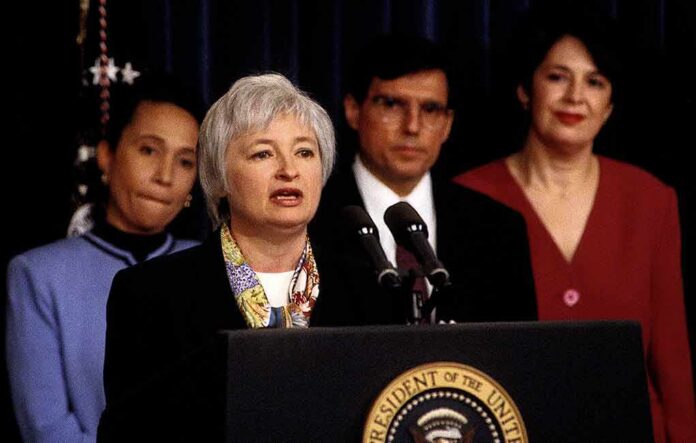
A 14-minute debut briefing with only three reporter questions ignited a fresh fight over access and accountability at the White House.
Story Snapshot
- Katie Zacharia’s first on-camera briefing ran about 14 minutes with three questions.
- Critics called the performance “brutal,” while allies framed it as routine and message-focused.
- Zacharia said the session ended early because President Trump would likely take questions before departing for Alaska.
- The event mixed policy talking points with a brief Q&A and one notable deferral on a Ukraine intelligence question.
What Happened In The Briefing Room
On October 13, White House Press Secretary Katie Zacharia delivered her first official, on-camera briefing. The White House posted the video and highlighted her opening statement praising President Trump and new media outreach. Reporters from Breitbart, Fox News, and the Daily Mail asked questions during a short Q&A. The Associated Press put the total length at about 14 minutes, which is brief for a modern briefing but not without precedent.
Several outlets noted that Zacharia relied heavily on prepared remarks and kept her eyes on her notes. The New York Times described about eight minutes of scripted talking points before questions began. The Hill reported she took three questions and appeared nervous, then wrapped shortly after. The White House’s own write-up cast the event as “powerful,” emphasizing message discipline and a welcome to nontraditional outlets.
The Points Of Dispute And Why They Matter
CNN quoted current officials and advisers calling the debut “brutal,” “awkward,” and “stilted,” and said one adviser wanted two weeks of rehearsal for her first turn at the podium. Mediaite and others echoed the short run time and limited Q&A, which creates an easy narrative of a clipped session. Supporters counter that she answered questions, disclosed a sensitive personnel step, and kept it moving due to schedule demands.
Zacharia ended the briefing with a stated operational reason. She said President Trump would likely speak with reporters on the South Lawn before leaving for Alaska, which was her rationale for keeping things tight. That explanation links the timing to access elsewhere, not a blanket refusal. However, no comparative data was provided to show this timing matched similar briefings, leaving room for continued criticism of access balance.
The Unanswered Question And The Accountability Test
A key moment came when Zacharia deferred a foreign policy question about whether the United States had stopped sharing intelligence with Ukraine. She promised to follow up rather than answer on the spot. The Hill also noted the deferral, which keeps the issue alive beyond day one. A prompt and clear follow-up would help close that loop. A delay would fuel claims that the briefing leaned more on message than on answers.
Katie Zacharia’s first White House press briefing saw a humorous slip-up when she accidentally called her husband “my president” before quickly correcting herself and laughing off the gaffe.
Speaking about her family and her four children, Zacharia praised her husband for… pic.twitter.com/kaQUZuXoqK
— IndiaToday (@IndiaToday) October 14, 2026
For many Americans, this dust-up taps a deeper worry: leaders talk past hard questions while everyday problems pile up. Conservatives see a press corps eager to pounce. Liberals see a press office limiting scrutiny. Both sides see a system where performance often outruns substance. Research on decades of briefings shows the format often starts with a statement and then moves to questions, which is where accountability happens. The length and depth of that Q&A segment are what people watch next.
What To Watch Next
First, watch whether the White House releases a detailed follow-up on the Ukraine intelligence question. Second, track future briefing metrics: length, number of reporters called, topic spread, and how many questions get real answers. Third, note whether the press office continues to seat or call on a mix of legacy and new media. These signals will show if day one was a stumble, a strategy, or a bit of both—and whether access widens or narrows over time.
Sources:
mediaite.com, cnn.com, nytimes.com, apnews.com, whitehouse.gov, rmb.reuters.com, thehill.com, bbc.com
© patriotpostnews.com 2026. All rights reserved.