
Calls to mount a “world war against globalism” are colliding with new plans to make international bodies more democratic and accountable, setting up a real fight over who answers to the public and who does not.
Story Snapshot
- Activists and writers warn that global governance weakens sovereignty and citizen control.
- United States officials say sovereignty is the basis for cooperation, not a barrier.
- United Nations policy and scholars outline tools to add transparency and accountability.
- Studies find a broad backlash against globalization shaping politics across democracies.
What sparked the current clash over “globalism”
A viral essay urged a “world war against globalism,” arguing that far-off institutions erode national power and the voice of the people. That view taps a real concern in research: many transnational bodies make rules that affect daily life, but voters cannot easily reward or fire their leaders. Scholars say there is “no necessary formal congruence” between those who rule beyond the state and those who must obey them, which weakens clear lines of control.
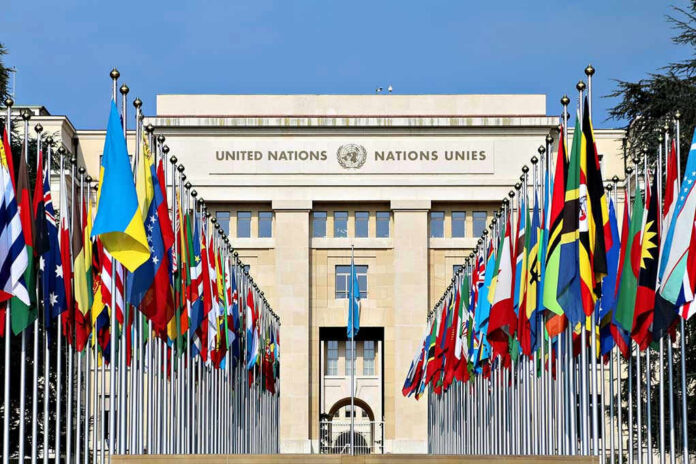
United States leaders answered from the world stage with a different frame. The United States delegation to the United Nations said national sovereignty is the foundation of the system and that cooperation should respect it. They argued that sovereignty does not block joint action; it enables deals that voters can still judge at home. That stance tries to protect borders and still allow coordination on shared problems like trade, security, and health.
How global bodies are trying to answer accountability gaps
United Nations policy guidance calls for international institutions to be representative, transparent, accountable, democratic, and inclusive. It also says cooperation should serve national interests while respecting state independence. That plan does not endorse a single world authority. It pushes for public access to information, fair voice for members, and open procedures that people can see and question in plain terms.
Recent scholarship reports that many bodies have added tools to be watched and challenged. These include grievance systems people can use, rules to release information, and “multistakeholder” processes that bring in civil society and the private sector. Supporters say these steps let affected groups monitor actions and shape outcomes. Critics say such steps can feel cosmetic if ordinary voters still lack a direct say or vote.
The rising backlash and what both sides fear
Economists and political scientists track a long “globalization backlash” across 23 advanced democracies from 1980 to 2019. Since the mid‑1990s, voters and parties moved toward more protection of borders and industries. The shift stems from more than trade. Technology shocks, budget cuts, immigration pressures, and culture fights all played a part. That trend powers today’s anger and helps explain why “globalism” has become a catch‑all for many anxieties.
Academic work also maps the core problem: international authority has grown faster than shared democratic checks on it. That gap invites suspicion. People on the right see elites using distant forums to impose rules on energy, speech, and borders. People on the left see corporate capture and weak worker rights. Both worry that unelected officials set policies that raise living costs or widen the wealth gap, while those officials keep their jobs no matter the results.
Paths for fixing legitimacy without abandoning cooperation
Researchers outline concrete reforms that can make cooperation feel accountable. Ideas include guaranteed access rights for civil‑society groups, clear duties to release documents, and formal ways for people harmed by a policy to seek redress. These steps try to turn lofty promises into rules the public can use. They will not replace national elections, but they can build pressure points where citizens and watchdogs can check power across borders.
The policy choice facing leaders in Washington and beyond is stark. They can double down on sovereignty and pull decisions back within national walls. Or they can demand tougher accountability rules for any cross‑border deal, with sunlight, redress, and real public voice as the price of cooperation. Either way, the goal should be the same: keep power close to the people who live with the results, and make every actor—foreign or domestic—answer for outcomes.
Sources:
tandfonline.com, clubmadrid.org, wiltonpark.org.uk, academic.oup.com, onlinelibrary.wiley.com
© patriotpostnews.com 2026. All rights reserved.