
On live television, two analysts said attacks on Hakeem Jeffries crossed into racism, and they named the words that did it.
Story Snapshot
- A CNN panel flagged “monkey,” “errand boy,” and “short rope” comments about Hakeem Jeffries as racist or racially loaded.
- Rula Jebreal used “AIPAC monkey” and “errand boy” on a podcast; she later denied racist intent and apologized for the term.
- The Congressional Black Caucus condemned the language as openly bigoted and anti-Black.
- The debate shows how insults tied to history can inflame politics and drown real policy talk.
What the CNN Panel Said and Why It Matters
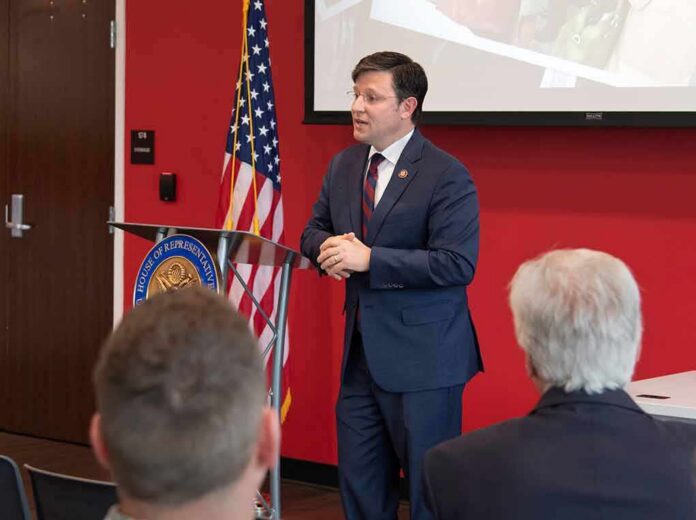
On November 17, a CNN panel said recent attacks on House Democratic Leader Hakeem Jeffries used racist language. Commentator Shermichael Singleton said he saw people call Jeffries a “monkey.” Democratic strategist Paul Begala replied, “It was racist,” and linked the insults to a long history of anti-Black tropes. Begala also cited a “short rope” quote attributed to Representative Pramila Jayapal and argued that phrase carries racial meaning in the United States when aimed at a Black leader.
The panel’s focus built on weeks of controversy around Jeffries, a high-profile Black lawmaker. Critics on the left attacked his ties to the American Israel Public Affairs Committee and his support for Israel. Supporters said policy fights are fair game, but words that echo racist stereotypes are not. The panel treated “monkey” and “errand boy” as beyond the line, and it argued “short rope” sounded menacing in America’s racial context, even if not intended that way.
What Was Said About Jeffries and By Whom
Journalist Rula Jebreal, on a September podcast, called Jeffries an “AIPAC monkey” and “errand boy.” She said she did not mean it in a racist way and later claimed “monkey” referred to the three wise monkeys image. She also posted that the term she used was inappropriate and offensive. Democratic lawmakers and the Congressional Black Caucus blasted the words as anti-Black and unacceptable. The episode spread on social media, pulling the harshest lines out of their fuller context.
The Congressional Black Caucus said there is no non-racist way to call a Black man “monkey” or “errand boy.” Several Democrats echoed that view. Media coverage framed the blowback as broad and swift. Jebreal tied her criticism to Jeffries’s stance on Israel and donations linked to the American Israel Public Affairs Committee. Her intent defense did not stop the surge of condemnation, which treated the language’s effect, not just the intent, as the key harm.
Clarifying the “Short Rope” Remark and the Limits of Intent
Paul Begala told viewers that Representative Pramila Jayapal said, “We’re gonna keep Hakeem on a short rope,” and he argued that phrase carries a racial charge in American history. Jayapal later said she meant a short window to act, not anything racial. The record shows the words used, but it cannot prove subjective intent. That gap leaves room for dispute even as many agree the phrasing was wrong or careless given the target and the history.
This episode reveals why many Americans feel politics is now more about outrage than solutions. The rush to viral clips rewards the harshest words, not the clearest ideas. Studies show anger and attacks drive clicks and shares, pushing leaders and influencers to speak in ways that divide more and explain less. Voters who want lower prices, safe streets, fair borders, and honest government watch elites trade insults while real problems sit unfixed.
How This Fits a Larger Breakdown in Public Talk
Across issues like energy, spending, and immigration, words are turning into weapons. People on the right see loaded terms used to shame them as racist or cruel. People on the left see coded language that targets minorities and the poor. Both sides now believe insiders in media and politics benefit from this heat. When language crosses old moral lines, trust falls even more, and the shared ground needed to solve hard problems gets smaller.
What To Watch Next
Watch for any release of full recordings and transcripts to lock down context and timing. Look for clear standards from party leaders on what language is out of bounds, and whether those rules apply the same way to friends and foes. Most of all, track whether this fight leads to better debate on policy, or just fuels the next outrage cycle. If leaders cannot police their words, they will not fix the country’s problems.
Sources:
mediaite.com, americantribune.com, yahoo.com, research.tulane.edu
© patriotpostnews.com 2026. All rights reserved.