
New York City’s mayor says he will disband a 600-officer police unit that handles both protests and terror threats, but he has not released a clear plan for what replaces it.
Story Snapshot
- Mayor Zohran Mamdani says the Strategic Response Group will be disbanded and protest policing split from counterterrorism.
- City Hall repeats the pledge but has not shared a timeline, replacement units, or training plans.
- The New York Police Department describes the unit as a critical citywide asset for protests, major events, and surge response.
- A City Council push, the CURB Act, aims to curb or end the unit’s protest role and claims majority support.
What the Mayor Says Will Change
Mayor Zohran Mamdani argues protest policing should not sit under the same command as counterterrorism. He says the Strategic Response Group, built for terror threats, also polices First Amendment activity, which he wants separated. His office told reporters the administration will disband the unit and split its functions so protests and counterterrorism no longer mix in one command. The pledge matches a past campaign promise and public statements this year and last.
City Hall has not released a written plan that explains what units will handle protests, how training will change, or how fast the shift will happen. There is no public schedule, staffing model, or deployment rulebook yet. Supporters say the change will protect speech and reduce heavy-handed tactics. Skeptics ask who steps in at the next large march or emergency if the specialized team is gone or moved without a clear structure.
What the Police Department and Critics Argue
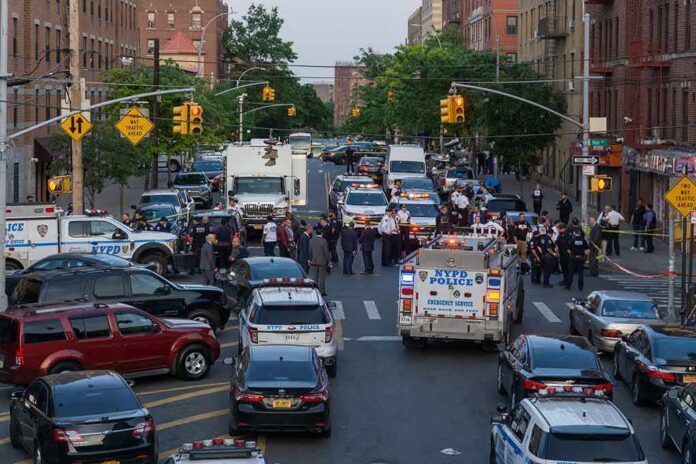
The New York Police Department describes the Strategic Response Group as a “critical asset” for citywide mobilizations. The department says the unit supports parades, protests, papal visits, and other large events. It also sends officers to areas with rising crime and can mobilize for shootings, bank robberies, missing-person cases, and major demonstrations. That broad role means the unit offers fast surge power that ordinary precincts may not match on short notice.
Reports say the Strategic Response Group includes about 600 officers trained for crowd control and major incidents. Disbanding or moving that many people is a large operational change. Without a detailed plan, critics warn the same officers and tactics could be moved under a new name, which would not fix the core concerns. A council member has raised this exact risk, saying the unit could reappear quickly after a rename with little practical reform.
The City Council’s Parallel Push
The Communities United to Reject Brutality Act, reintroduced by Council Member Chi Ossé, would limit the unit’s role at protests and, in its latest form, press toward eliminating it. The New York Civil Liberties Union says a majority of council members back the legislation. If passed and enforced, the bill could force changes even if the administration’s plan stalls. The bill’s final impact will depend on its text, oversight teeth, and whether it bars rebranding without real change.
🚨 JUST IN: Mayor Zohran Mamdani is GUTTING the NYPD unit that handles riots.
His office told Politico the administration "WILL DISBAND THE STRATEGIC RESPONSE GROUP," the unit that handles protest violence and civil disorder.
Commissioner Jessica Tisch says the unit only gets… pic.twitter.com/bqGva2Lxx9
— Gunther Eagleman™ (@GuntherEagleman) November 13, 2026
This fight reflects a bigger question that crosses party lines: do leaders build public trust by changing structures, or by changing tactics and accountability? Many Americans believe powerful insiders protect their own jobs first. Here, the danger is twofold. If leaders rush the change without a plan, safety could slip at big events. If they rename the unit without new rules and training, civil liberties and trust will not improve. Either path would confirm fears that government misses the hard work.
What To Watch Next
Watch for a formal reorganization memo that names the new protest unit, training standards, command charts, and deployment rules. Look for a clear start date and milestones so the public can track progress. See whether the police department issues its own plan to preserve specialized counterterrorism skills during major protests. Follow the City Council calendar to see if the Communities United to Reject Brutality Act advances to a vote with enforcement measures that prevent a simple rename.
Sources:
© patriotpostnews.com 2026. All rights reserved.