
A powerful Thanksgiving storm cut electricity to more than 836,000 customers and upended holiday plans across the East Coast.
Story Highlights
- Power outages topped 836,000 customers at the peak, with the largest losses on the East Coast.
- Heavy rain, strong winds, and coastal flooding hit states from North Carolina to New Jersey.
- Officials postponed the Macy’s Thanksgiving Day Parade because of wind, rain, and flooding risks.
- Air travel saw hundreds of cancellations and more than a thousand delays during the holiday rush.
Severe Weather Drives Widespread Outages
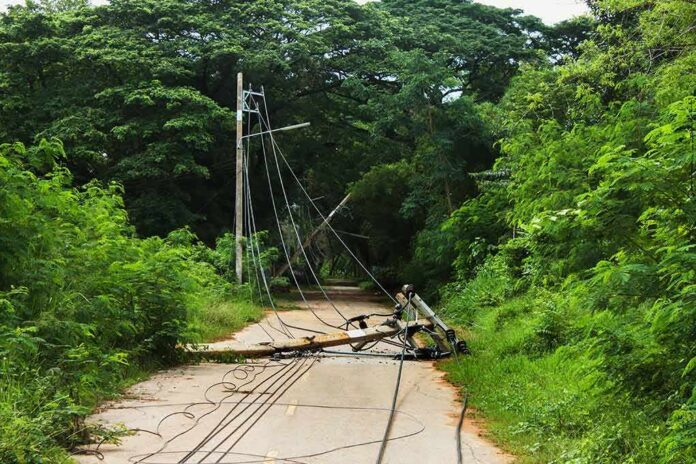
Reporters tracked more than 836,000 utility customers without power by late afternoon on Thanksgiving, using data from a national outage tracker at 4:06 p.m. Eastern time. Virginia, Maryland, and Pennsylvania saw some of the highest losses. The wind made restoration work difficult. Crews faced downed lines, blocked roads, and wet ground. While totals can shift as utilities fix lines and update logs, the snapshot shows a major hit to the grid during a peak travel and family day.
Strong winds and heavy rain created the path to those outages. Reported gusts reached near 70 miles per hour along parts of the coast, which can snap limbs and topple poles. Local forecasters warned that 60 to 70 mile per hour gusts could bring down tree branches and cause scattered outages, which matched what many communities saw as the storm moved through. Those wind speeds, combined with soaked soil, raised the risk that older trees would uproot and tear through local lines.
East Coast Flooding and Urban Impacts
Coastal flooding hit parts of the Mid-Atlantic and Northeast as rain and wind pushed water into low-lying streets. Cities from North Carolina to New Jersey reported flooded roads, stalled cars, and closed lanes. Emergency officials urged people to avoid driving through standing water. Transit systems dealt with slowdowns as pumps worked to clear stations and underpasses. Local public works crews handled clogged drains and downed limbs while utilities focused on restoring power in the hardest-hit neighborhoods.
New York City and nearby areas dealt with both wind hazards and flooding risks. Officials and event planners postponed the Macy’s Thanksgiving Day Parade due to safety concerns tied to wind, rain, and possible flooding along the route. The parade draws huge crowds and relies on tight control of balloon operations. High winds make large balloons unsafe to fly. Organizers and city leaders opted to delay rather than risk injuries to handlers, performers, or spectators packed along narrow streets.
Holiday Travel Disruptions Ripple Nationwide
Airlines canceled hundreds of flights and logged more than a thousand delays as the storm crossed busy travel corridors. Airports along the East Coast faced wind limits on takeoffs and landings. Ground stops and de-icing slowed schedules, which then rippled to hubs around the country. Travelers saw longer lines and missed connections on one of the busiest days of the year. Rail and road travel also slowed in spots because of flooding, reduced visibility, and debris on highways.
A massive Thanksgiving storm US 2026 has triggered coastal flooding, 2,200+ flight delays, and nearly 1 million power outages. Read the 5 biggest impacts now.https://t.co/8Iu7pn0lmC
— Mehrab360 (@mehrab360x) November 27, 2026
Midwestern states also felt the system’s reach, with notable outages and snow in places like Missouri and parts of Illinois. Wet, heavy snow can sag lines and trees, causing a different but familiar set of power problems. That spread of impacts showed how one sprawling storm can strain many local systems at once. Restoration crews must then stage gear and staff across wide areas, which lengthens repair times for some customers during a holiday when demand for heat, light, and cooking is high.
Why These Numbers Matter Beyond One Holiday
Weather remains the main driver of major power outages in the United States. A national review found that four out of five large outages since 2000 were weather-related, with severe weather the top cause. Federal energy data also show that outage hours have swung higher in recent years during big events. Those trends add context to the Thanksgiving losses. Big storms now test an aging grid more often. Hardening lines, trimming trees, and upgrading local systems will decide how many families lose power next time.
Sources:
facebook.com, nytimes.com, lbc.co.uk, abc7ny.com, amp.dw.com
© patriotpostnews.com 2026. All rights reserved.