
Russia’s leader said ceasefire talks were off after Ukraine hit the Crimean Bridge days before a rare Trump–Putin–Xi summit, raising the risk of a wider fight backed by clashing great-power agendas.
Story Snapshot
- Ukraine struck the bridge linking Russia to Crimea ahead of the summit, disrupting road and rail links.
- President Vladimir Putin vowed harsher retaliation and ruled out limited ceasefires after the strikes.
- Reports said Ukraine hit the bridge multiple times in a week, including hours before leaders met.
- Ukrainian and European officials said peace contacts continued even as the strikes landed.
What Happened and Why It Matters
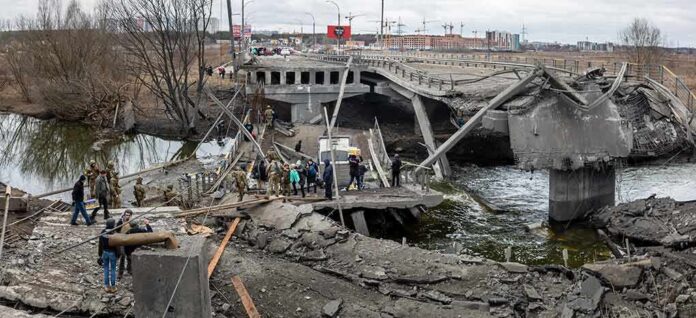
Reuters reported that Ukrainian drones and missiles destroyed the bridge’s central road span two days before President Trump, President Putin, and China’s President Xi were set to meet, calling it a military and symbolic blow. Bloomberg later reported that Putin linked the strikes to a halt in talks on limited ceasefires and promised retaliation “far more painful” than the bridge damage. The bridge connects Russia to Crimea, so the hits carried clear strategic and political weight during a sensitive diplomatic moment.
Agence France-Presse reported that strikes on bridges continued on both sides as the summit approached, showing how fighting and diplomacy moved in parallel. Coverage also said Ukraine struck the bridge for the third time in a week, stopping trains just before the leaders met, which further raised tensions and complicated any pause in the war. These facts point to a standard wartime pattern: negotiate while testing leverage on the battlefield to shape the next round of talks.
Putin’s Message and Kyiv’s Position
Putin stated that after the Crimean Bridge attacks there would be “no agreements,” shutting down near-term truce ideas and signaling a stronger military answer. That message landed as both sides weighed gains and losses from the strikes and counterstrikes. Ukrainian President Volodymyr Zelenskyy, by contrast, described the operation as unprecedented Ukrainian action, not a Western-directed move, and said Ukraine had offered steps to ease tensions in the past. These public lines set the stage for harder bargaining and fresh risks.
European and Ukrainian statements said contacts with American and European envoys continued during the same period, underscoring that channels stayed open even as bombs fell. That means the strikes did not erase diplomacy, but they did change the mood and the timeline. The timing also fed fear across the spectrum at home: some see a push for peace under pressure, others see elites playing power games while ordinary people pay the price.
Logistics, Signaling, and the Summit Backdrop
The bridge is a vital supply route for Russia’s forces in southern Ukraine and a symbol of Moscow’s control of Crimea, so any damage hurts logistics and pride at once. Hitting it before the meeting ensured the war sat at the top of the agenda. It also forced leaders to respond in real time to a dramatic shift in leverage. That kind of shock can win short-term gains but can also spark blowback if the other side escalates quickly, as Putin warned he would.
🚨 PUTIN REJECTS UKRAINE CEASEFIRE TALKS, VOWS STRONGER RESPONSE AFTER CRIMEAN BRIDGE STRIKE! 🇷🇺🇺🇦
Russian President Vladimir Putin has ruled out negotiations for a limited ceasefire with Ukraine following the latest Ukrainian strike on the strategically important Crimean… https://t.co/qe7ZZjzger pic.twitter.com/fcPyWJarbo
— Romzy (@RomzyUnited) November 20, 2026
The big claim online that Western services orchestrated the strike remains unproven in the available record. The reporting attributes the attacks to Ukraine, and it does not show planning or targeting by Western agencies. The safer conclusion is narrower but solid: the bridge hits disrupted travel and talks, shaped leverage at the summit, and triggered harder lines from Moscow. That reality matters more than rumors when judging risk and next steps.
Sources:
youtube.com, reuters.com, bloomberg.com, afp.com, sacbee.com
© patriotpostnews.com 2026. All rights reserved.