
Voters are split on Trump’s economy, but most say prices still squeeze their families — and they blame Washington.
Story Highlights
- Multiple polls show weak public grades for President Trump on the economy amid high living costs.
- Some surveys still find voters crediting Trump for current conditions and rating the economy stronger than under Biden.
- Rising grocery, gas, housing, and utility costs drive frustration across party lines.
- Perception, not just data, is shaping how Americans judge the economy and the people in charge.
What New Polls Say About Trump’s Economic Stewardship
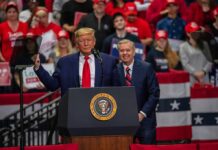
Recent national polling paints a tough picture for the White House. A CNN survey found Trump’s approval on the economy at a career low of 31 percent, with about three-quarters saying the economy is in poor shape. An NBC News poll reported that 55 percent believe Trump’s policies have hurt the economy, while his approval stood at 41 percent among registered voters. A Reuters/Ipsos poll showed 68 percent reject the claim that the economy is “booming,” underscoring broad skepticism.
Even with those headwinds, not all surveys point the same way. A Harvard CAPS and Harris Poll in February found a slim majority describing the U.S. economy as strong and more than half saying it was better than under Biden, with most attributing today’s economy to Trump. The mixed readings reflect deep partisan divides and shifting expectations, as voters process prices, wages, and world events through different lenses.
Affordability Pain Points Driving Voter Frustration
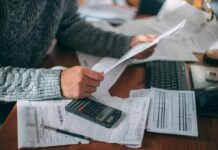
Household budgets tell the story that many feel each week. A Fox News poll reported large majorities saying costs rose for groceries, utilities, health care, housing, and gasoline over the last year. A separate survey found 95 percent of Americans believe the nation faces an affordability crisis, with about half of Democrats, Republicans, and independents struggling to afford gas and groceries. These pressures cut across ideology and fuel anger at leaders who seem unable to bring costs down.
Many people do not agree on who is most at fault. Some voters blame corporate power, limited competition, or the money supply for rising prices, not only politics or one administration. Others point to policy choices and global shocks. Still, when bills arrive, patience runs thin. Polls show many link Washington’s performance to what they pay at checkout or the pump, which keeps economic approval low even when job growth or markets look stable on paper.
Why Perception Often Beats the PowerPoint Slide
Decades of research find that how people feel about the economy often matters more than what charts show. Voters use recent economic experiences to judge leaders, and those judgments turn on perception as much as data trends. If prices feel high and sticky, approval falls. If families see relief, approval rises. This gap between macro signals and kitchen‑table math explains why polls can conflict yet still be honest snapshots of different lived realities.
Today’s split view mirrors a broader loss of faith in federal leadership. Many Americans on the right and left believe elites in Washington protect themselves first. When paychecks do not stretch, and prices stay up, trust erodes further. Mixed polls about strength or blame reflect this fatigue. People want leaders to focus less on victory laps and more on beating back the costs that make the American Dream feel out of reach.
What To Watch Next: Policy Moves That Hit Home
The next test will be whether policies lower everyday costs. Energy decisions that affect fuel and utility bills, housing steps that expand supply, and health care changes that curb premiums and drug prices can shift public mood. If families feel relief, approval could improve despite partisan noise. If prices stay high, anger will likely grow, and polls will harden against the people in charge, no matter what headline indicators say.
Meanwhile most people have the perception that there are things Trump has done to make affordability worse. So it's not a good look to tell people to eat something different.
The tariffs were a huge mistake because it made this economy his in people's eyes.— Melanie (@mheinz16) September 22, 2026
For now, the message from voters is simple: stop the squeeze. That demand unites conservatives who decry government waste and liberals who fear widening inequality. It also exposes a core weakness in Washington. Promises and press events do not pay the bills. Only results at the register will. Until then, expect more divided polls, sharper rhetoric, and a public that doubts the capital is working for them.
Sources:
usatoday.com, thehill.com, financialexpress.com, politico.com, harvardharrispoll.com, reuters.com, npr.org
© patriotpostnews.com 2026. All rights reserved.