
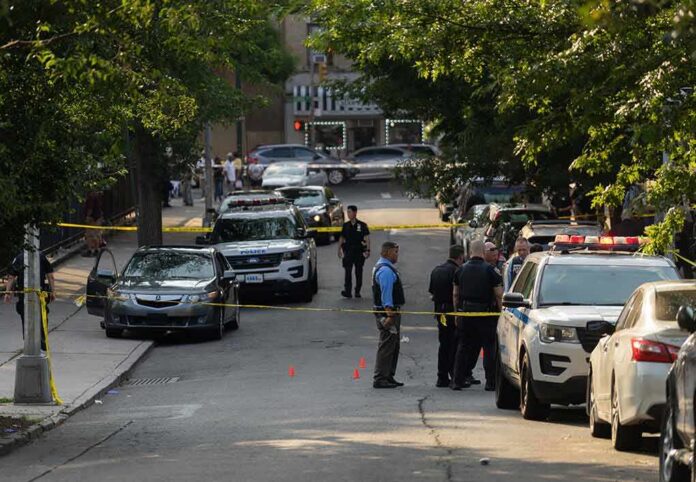
A federal immigration agent shot and wounded a man in North Austin, putting new heat on the fight over government force and public transparency.
Story Snapshot
- Officials said a federal immigration agent shot and injured a man in North Austin.
- Austin police were not involved; the city said key facts about what led up to it are still unknown.
- The injured man went to a hospital and was alert and talking, according to the city.
- Rep. Greg Casar called for an independent probe and quick release of body camera video.
What Authorities Confirmed About the Austin Shooting
On Sunday, September 20, 2026, a federal immigration agent shot and wounded a man in North Austin, authorities said. Austin city officials told council members that local police officers were not involved and that the city did not yet know what led to the shooting. The city said Austin-Travis County emergency medical staff took the man to a hospital, where he was alert and talking. Multiple outlets reported the incident in the same area and time window, confirming it drew a major response.
Local reporting described a dark blue Toyota Corolla at the scene with damage to the passenger-side door and what looked like bullet holes. CBS Austin said the city scheduled a press conference later that day, signaling officials viewed the matter as significant and not yet resolved. A Texas Department of Public Safety public information officer said the federal immigration agency was handling the investigation in the West Anderson Lane area, placing the focus on federal actions rather than routine local policing.
Calls for Transparency and an Independent Review
United States Representative Greg Casar urged a full, independent investigation and the immediate release of any body camera video from the encounter. That demand matched a now-familiar push from both the left and the right: people want to see what happened, not wait months for a report. Some early accounts relied on statements from elected officials, and no full federal timeline had been made public in the cited reports, so important details remained limited at this stage.
Past policy debates show why the video question matters. Federal agencies and police departments have expanded body-worn cameras in recent years, but policies often control when video is shared with the public. Reporting has shown that the immigration agency can decide to release video after it weighs the agency’s interests, which can slow or limit disclosure in serious cases. Expert reviews find mixed results on whether cameras reduce force or complaints, but many agree that fast and fair access to video can help trust.
Why This Incident Hits a National Nerve
The Austin shooting lands in the middle of a larger fight over how the government uses force during immigration enforcement. Supporters of strict enforcement say agents face real dangers and must act to protect themselves and others. Critics say aggressive tactics risk needless harm in civil immigration cases. Both groups often agree on one point: the government should show its work. Quick, clear facts can cool fear and stop rumor from filling gaps in the record.
BREAKING: An ICE-involved shooting in Austin, Texas is being investigated. @Max_Gorden has the latest on the situation.
pic.twitter.com/DtbIr8QfA0 https://t.co/ka9jkLLGeG
— VICTOR (@victorLiuFu) September 21, 2026
People on the right and left worry that powerful institutions shield themselves first. That fear grows when an incident is high-stakes, information is tight, and officials move slowly. In Austin, the city highlighted that local police were not involved and that it did not know the lead-up to the shooting. That admission raised a simple ask that many Americans share: if video exists, release it as soon as it will not harm a real investigation. Sunlight helps everyone check the claims.
What to Watch Next
Watch for an official federal statement that sets out the timeline, the reason for the stop, and why the agent fired. Look for confirmation on whether body camera or dash camera video exists and when it might be released. Monitor the condition and identity details of the injured person as privacy rules allow. Track whether the city or state opens its own review, or if a civil rights inquiry begins. Also, expect lawmakers to press for clarity on rules for vehicle stops and use of force.
How This Fits the Bigger Picture on Accountability
Across the country, fast-moving encounters often produce partial facts at first and strong reactions online. That is normal in a smartphone era. But a steady process matters. Agencies that release timelines, explain rules, and share video when they can tend to maintain more trust. Research groups urge clear and consistent camera policies and access to footage after serious force events, which can help the public judge claims on the merits and not on spin.
Sources:
townhall.com, statesman.com, texastribune.org, wrganews.com, news.meaww.com, foxbusiness.com, yahoo.com
© patriotpostnews.com 2026. All rights reserved.