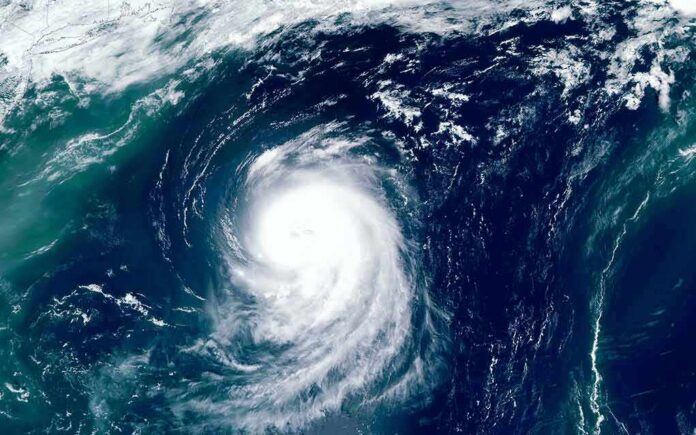
President Trump canceled his trip to the Georgia–Alabama game so emergency crews could focus on Hurricane Isaias.
Story Snapshot
- Trump said first responders should focus on Hurricane Isaias, not presidential security.
- A White House official confirmed the cancellation tied to the approaching storm.
- Forecasters warned of dangerous surge, wind, and flooding along the Gulf Coast.
- The game in Tuscaloosa remained on schedule despite the storm threat.
What Changed: From Plan to Cancellation
President Trump planned to attend Saturday’s Georgia–Alabama football game in Tuscaloosa. On Friday, October 9, he said he would not go because Hurricane Isaias was nearing the Gulf Coast. He wrote that first responders and law enforcement should focus on the storm, not on protecting a presidential visit. A White House official also confirmed the change and linked it to the hurricane. Sports and local outlets reported the decision as the storm drew closer to landfall.
Trump had signaled two days earlier that the storm would guide his decision. On Wednesday, he said the hurricane was going near Alabama and that safety would come first. He stated, “I am going to let the hurricane determine.” That comment set a clear condition for the trip before the final call to cancel. The timing matched rising storm concerns and built a public record that a worsening forecast could stop the visit.
Storm Conditions Driving the Decision
Forecasts on Friday warned of a dangerous situation for parts of the Gulf Coast. Meteorologists expected strong winds, storm surge, tornadoes, and flash flooding as Isaias approached. Officials ordered evacuations in some areas, and Alabama declared emergencies as the system gained strength. Reporters described the storm growing and moving toward landfall, then tracking inland toward Alabama around the weekend window for the game and the planned travel.
The game location added to the risk calculus. The matchup was set in Tuscaloosa, and forecasts showed the storm turning across Alabama after striking the coast. That track would bring heavy rain, wind, and possible tornadoes through the state close to the event time. A presidential visit requires layers of security teams, air assets, and traffic control. Those needs can pull local resources that may be needed for rescue and safety during a storm.
Why The Game Went On Without The President
Game organizers kept the Georgia–Alabama contest on schedule. That choice did not match the change in presidential plans. The difference reflects how risk hits different duties. A football game can manage weather with stadium safety rules and local plans. A presidential trip adds a large security footprint and changes traffic and staffing. That can strain police and emergency crews during a weather threat. Reporters noted the game’s status and Trump’s absence as separate calls by separate leaders.
Presidents often adjust travel during disasters. Leaders balance showing up with staying out of the way of urgent work. Many presidents have delayed or reshaped visits to avoid hampering response, then traveled after the danger passed to inspect damage and support recovery. Analysts describe that timing choice as normal practice. It aims to avoid consuming local capacity when every minute and patrol car can matter.
What Trump Said And What Reporters Confirmed
Trump’s Friday post framed the choice as respect for first responders. He said they should not have to think about a presidential presence while preparing for a dangerous storm. Outlets covering the White House cited an official who confirmed the cancellation due to Hurricane Isaias. That official was not named in reports, but the explanation matched Trump’s public message about safety and focus on emergency response as the storm neared landfall.
President Donald Trump has canceled his planned trip to Tuscaloosa for Saturday's Alabama-Georgia football game as Hurricane Isaias approaches the state.https://t.co/3lvAxFjOhE
— ABC 13 News – WSET (@ABC13News) October 10, 2026
Coverage also revisited Trump’s earlier comment that he “hadn’t heard about a hurricane” before later saying he would let the storm decide. That sequence drew attention because it showed a shift from surprise to caution within two days. The main facts remain firm: he tied the final decision to the storm’s approach, and reports documented warnings, evacuations, and emergency steps along the Gulf. The cancellation aligned with that worsening outlook across the region.
Why This Matters For Voters Watching Washington
The choice highlights a larger truth about government and disasters. Big visits can inspire, but they can also pull officers, vehicles, and air space at the worst time. People across the political spectrum want leaders to put public safety first and avoid theater when danger looms. This move tracked with that priority. The government’s job is to clear the lane for local crews, not crowd it, when a storm threatens homes, roads, and power grids.
Sources:
thegatewaypundit.com, nytimes.com, cnbc.com, people.com, rmb.reuters.com, si.com, abcnews.com, news3lv.com
© patriotpostnews.com 2026. All rights reserved.