
Philadelphia officials condemned a planned “boycott ride” that named six local eateries as “Zionist establishments,” stoking fears of identity-based targeting on the eve of Kristallnacht’s anniversary.
Story Snapshot
- Flyers named six businesses and urged that “These Zionist establishments must go.”
- Pennsylvania’s attorney general called the plan discrimination against Jewish people.
- Organizers said the boycott targets political support for Israel, not Jewish identity.
- Coverage grew after official pushback, undercutting claims of total media silence.
What Happened and Why It Matters
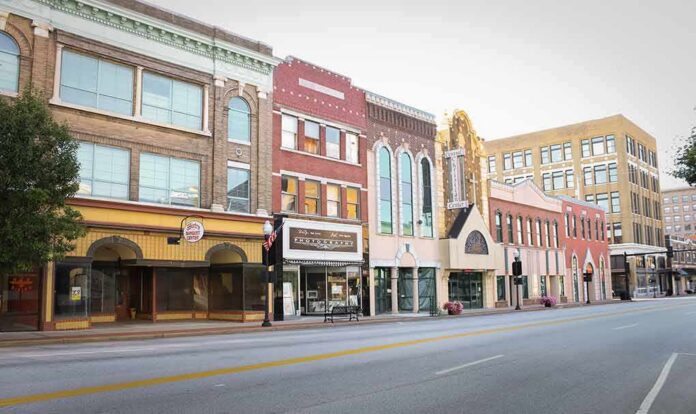
Philadelphia activists promoted a bicycle “boycott ride” that listed six Rittenhouse Square-area eateries. The flyer used the line “These Zionist establishments must go,” which focused attention on owners tied to Israeli or Jewish identity. City and state leaders denounced the plan before the event date. The timing, one day before the Kristallnacht anniversary, intensified concern. The 1938 attacks targeted Jewish businesses and synagogues in Nazi Germany, a comparison officials and many residents found chilling.
State and city officials said the plan crossed a line from political protest into identity-based targeting. Pennsylvania Attorney General Dave Sunday argued this was not criticism of a foreign government but singling out local residents “because of their faith.” Philadelphia leaders echoed that framing and urged residents to stand with targeted businesses. The plan raised safety and civil rights questions that cut across party lines, especially with Jewish and Israeli-American owners named publicly.
Who Was Targeted and How Organizers Framed It
Reports identified three restaurants tied to Israeli-American chef Michael Solomonov and three other eateries with Jewish owners. That list anchored claims that the ride focused on Jewish identity more than state policy. Organizers and allied groups rejected that charge. They said the targets backed Israel through money, messaging, or “Zionist” ideology. They called the ride an act of solidarity with Palestinians. Their statements presented the boycott as political and ideological, not religious.
One post tied to a participating account urged riders to “show these Zionist business owners” they were “reprehensible.” Critics saw that as personal denigration of people, not a protest of policies. Supporters said “Zionist” was a political label, not a proxy for all Jewish people. That dispute sat at the heart of the fight. Words that might read as political to some can land as identity targeting to others, especially when specific Jewish-owned businesses are named in public flyers.
The Kristallnacht Context and Public Risk
The plan’s date, on the eve of Kristallnacht’s anniversary, amplified fear and anger. Officials and media noted that the 1938 pogroms targeted Jewish shops and houses of worship. Many saw the ride’s rhetoric, combined with naming businesses, as echoing past patterns that turned speech into intimidation. Organizers did not advertise violence, and an arrest record was not central to coverage. But many residents judged the tactic risky, because public lists can invite harassment even when protest leaders call for nonviolence.
Six Philadelphia businesses are being publicly targeted ahead of Saturday’s “Boycott Ride.” It’s set for one day before the anniversary of Kristallnacht.
Choosing where to spend your money is one thing. Organizing to drive Jewish-owned businesses out of a city is something else… pic.twitter.com/WOB4er64YJ
— JEWISH LIFE NOW-Your tribe with a new vibe (@JewishLifeNow) November 6, 2026
This dispute also revived the old tension between free speech and civil rights protections. The United States Supreme Court has protected many nonviolent political boycotts as speech. Yet critics argue a boycott can cross into unlawful discrimination when it targets people for who they are, not what they do. That boundary is hard to draw in real time. Officials moved to condemn the ride’s message while urging calm, leaving courts and investigators to act only if conduct broke the law.
Media Attention and Public Trust
Some commentators accused the national press of ignoring the story. That claim was overstated. Local outlets and national networks reported on it after leaders condemned the ride. Still, the pacing of coverage fed a familiar frustration. Many Americans believe elites downplay stories that cut against their views. When people see explicit flyers and delayed headlines, they assume bias. The gap between online outrage and nightly news segments widens public mistrust on both left and right.
What To Watch Next
Three questions now loom. First, will police reports or business records show harassment, economic harm, or arrests linked to the plan. Second, will organizers release fuller criteria showing why each business was listed, beyond broad “Zionist” claims. Third, will city and state leaders clarify when a political boycott becomes discriminatory conduct. Clear rules matter. People want to protest injustice. People also want protection from identity-based targeting. The law must hold both truths together.
Sources:
mediaite.com, us.cnn.com, 6abc.com, cnn.com, cbsnews.com, jewishchronicle.timesofisrael.com, timesofisrael.com, cityandstatepa.com
© patriotpostnews.com 2026. All rights reserved.