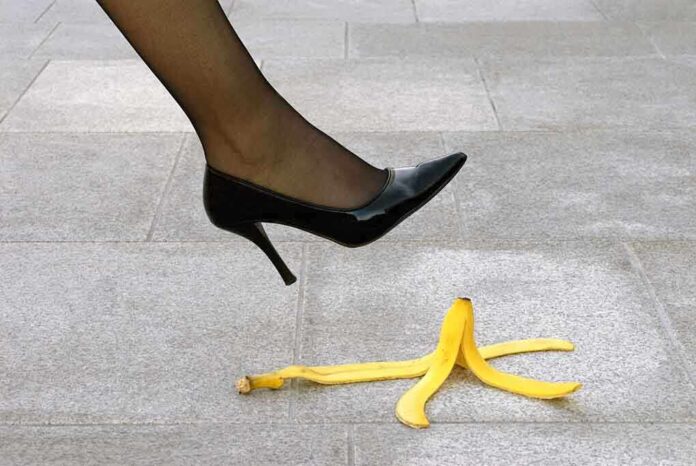
If you think falling is just a slapstick gag reserved for cartoons and clumsy sitcom characters, wait until you discover why ER doctors want everyone—yes, even you—to take a tumble seriously, because what you do right after could be the difference between a funny story and a lifelong injury.
At a Glance
- Falls are the leading cause of injury and death for older adults, but no age group gets a free pass.
- Modern ER wisdom says everyone needs a post-fall game plan—regardless of how “tough” you think you are.
- Exercise and multifactorial prevention strategies can dramatically cut your risk, but most people ignore them until it’s too late.
- Failing to take falls seriously costs Americans billions in healthcare—and plenty of independence.
The Gravity of Falling: Why No One Is Immune
Gravity is not your friend. It’s the world’s most persistent personal trainer, and it doesn’t care if you’re 18 or 88. Every year, nearly three million Americans over the age of 65 find themselves in the ER after a fall, and more than 38,000 pay the ultimate price. But here’s the plot twist: the ER doctors say it’s not just “old people” who need to worry. Anyone can fall. Everyone should know what to do next.
In fact, the U.S. Centers for Disease Control and Prevention crowned falls as the leading cause of fatal and nonfatal injuries among older adults. Yet, the same advice that helps grandpa get back up safely can save a 40-year-old from a world of hurt. Why? Because falls aren’t picky, and neither are broken bones, concussions, or the embarrassing ER anecdotes that come with them.
The Domino Effect: What Really Happens After a Fall
Picture this: You’re minding your own business, then—bam!—the floor gets way too friendly with your face. The ER docs have seen it all. Dr. Joe Whittington, a seasoned emergency physician, warns that what you do in the next few minutes matters more than how you fell. Rushing to stand up could turn a sprain into a break or mask a brain bleed that introduces you to the hospital food menu for weeks.
Dr. Jordan Wagner, another ER veteran, advises a full-body “systems check” before you even think about moving. Head injuries? Don’t play hero—get checked immediately. On blood thinners? The risk of internal bleeding skyrockets, so don’t let bravado or a fear of waiting rooms keep you from a proper evaluation. And if you’re alone, a quick phone call to a friend or 911 isn’t overkill—it’s common sense in action.
Prevention: The Unsexy Secret to Staying Upright
If you’re waiting for a flashy, one-size-fits-all solution, the U.S. Preventive Services Task Force says exercise is your best armor. Not just any exercise—balance, strength, and flexibility routines that make you less likely to topple in the first place. Multifactorial interventions—think medication reviews, home safety tweaks, and personalized risk assessments—are the gold standard for anyone with higher risk.
But here’s the truth: even though these strategies work, most people ignore them until after their first fall. The CDC and National Council on Aging have rolled out prevention campaigns, toolkits, and community programs, yet underutilization remains a stubborn obstacle. Old habits die hard, but so do the consequences of not adapting as we age.
The Real Cost: Independence, Dignity, and Dollars
Falls don’t just bruise your ego—they can rob you of your independence. Short term, you might end up with a cast, a walker, or a new appreciation for shower grab bars. Long term, persistent disability and fear of falling can shrink your world to the size of your living room. For families, the ripple effect means more caregiving, medical bills, and tough conversations about assisted living.
The economic toll is brutal: treating fall injuries in older adults alone cost $80 billion in 2020 and is projected to soar past $101 billion by 2030. And that’s just the tip of the iceberg—factor in lost productivity, long-term care, and the emotional toll, and you’ve got a crisis that no one can afford to ignore. Politicians are finally waking up, pumping money into research and prevention, but for now, the best insurance is your own vigilance and a willingness to rethink your daily habits.