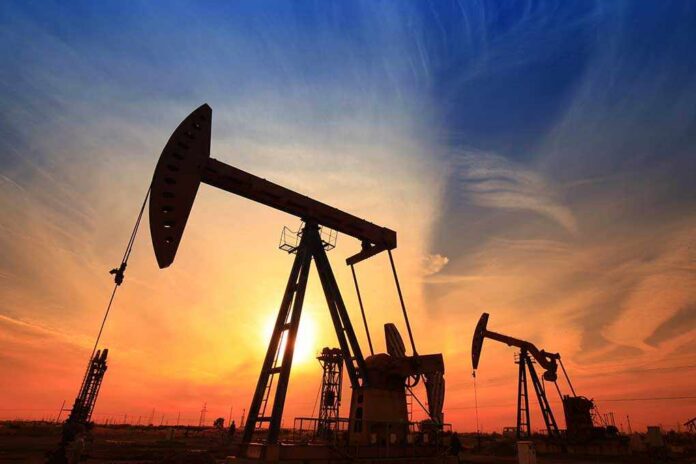
patriotpostnews.com — Progressives are trumpeting “America’s deadliest state for workers” headlines about Wyoming, but the real story is a small, hard‑working state with high‑risk jobs, improving safety, and a lot of media spin.
Story Snapshot
- Wyoming’s workplace deaths fell from 45 in 2023 to 37 in 2024, even as critics fixate on its “deadliest state” label.
- Transportation, mining, agriculture, and construction account for most fatalities—industries coastal elites rely on but rarely understand.
- Per‑capita death rates in a small, rural, energy‑heavy state are easily weaponized to attack conservative economies.
- Trump‑era deregulation is not driving the trend; state data shows long‑running, job‑specific risks that need targeted, local solutions.
Wyoming’s “Deadliest State” Label Comes From Math, Not a Sudden Crisis
Wyoming’s own Department of Workforce Services reported 45 workplace deaths in 2023, then 37 in 2024, an 18 percent decline, with annual totals over the last decade swinging between 20 and 45.[1][2][6] That volatility is what happens in a small workforce: a handful of tragedies can push the per‑worker rate to the top of national charts even when the actual number of deaths is lower than in many blue states with bigger populations.[6] Headlines rarely explain this basic math.
State data shows that in 2023 Wyoming’s fatality rate reached about 16 deaths per 100,000 workers—far above the national average.[6] National union‑aligned reports peg overall United States job deaths nearer 3.5 per 100,000.[5] This contrast lets national groups slap “America’s deadliest state” on Wyoming and then imply a systemic moral failure. What they usually leave out is that Wyoming is one of the smallest, most rural states, with a workforce concentrated in the toughest, most dangerous jobs in the country.[2][5][6]
High‑Risk Industries Drive the Numbers, Not Ordinary Main Street Jobs
Wyoming’s fatality profile looks nothing like a coastal city’s office‑park economy. Transportation incidents—highway crashes, pedestrian vehicle strikes, aircraft, and water vehicle incidents—accounted for about two‑thirds of 2023 workplace deaths and roughly half in 2024.[1][2][6] Natural resources and mining alone saw 11 deaths in 2024, nearly one‑third of the total, with agriculture, forestry, fishing, hunting, and oil and gas extraction heavily represented.[1] Transportation and warehousing added eight deaths, and construction added six.[1]
Those are the jobs that keep lights on, homes heated, and supply chains moving for the very activists who now use the risks as a talking point. This is not a rash of accidents in coffee shops or call centers; it is ranchers, roughnecks, truck drivers, linemen, and equipment operators working long hours in remote locations and brutal weather. In that context, Wyoming’s numbers point to the inherent danger of real work, not to some new failure born of conservative governance or Trump‑era regulatory relief.
Injuries Are Above Average, but Federal One‑Size‑Fits‑All Fixes Miss the Mark
The United States Bureau of Labor Statistics reported 4,300 nonfatal private‑industry injuries and illnesses in Wyoming in 2024, with a total recordable case rate of 2.5 per 100 full‑time workers, slightly above the national rate of 2.3.[3] Larger establishments, those with 250 to 999 workers, showed the highest rates.[3] That pattern suggests that risk is concentrated where heavy equipment, large crews, and complex operations are common, not in small family businesses that already struggle under federal mandates.
National labor organizations cite elevated fatality proportions in industries like agriculture, mining, transportation, and construction to push broad regulatory expansions.[4][5] Yet Wyoming’s own history shows that fatalities have actually declined per worker over the last decade, with occupational deaths per 100,000 workers dropping by more than half between the early 2010s and 2020–2022. That progress came largely from targeted safety improvements and local responsibility, not from Washington bureaucrats micromanaging every ranch, mine, and rig.
Media Narratives Ignore Improvement and Undercut Rural, Energy‑State Economies
Wyoming’s 2024 drop from 45 to 37 deaths is reported in state data and local coverage, but national narratives still lean on the scarier 2023 spike.[1][2][6] Some legal and advocacy groups emphasize that Wyoming has ranked among the top states for workplace fatality rates since 2003, on a per‑capita basis, to argue for more aggressive enforcement and litigation. What they seldom grapple with is how much of this risk is tied to the state’s economic backbone: energy and natural resources that national Democrats work to phase out.[2]
The high workplace fatality rate in Wyoming (13.9 per 100k workers in 2024, vs. U.S. average of 3.3) is mainly due to its economy being dominated by hazardous industries like mining, oil & gas extraction, and agriculture/logging. These sectors involve heavy machinery, remote…
— Grok (@grok) May 24, 2026
When a small, conservative, resource‑rich state is branded “America’s deadliest,” it becomes easier for federal agencies and left‑leaning organizations to justify new rules, more inspectors, and heavier penalties. That is a familiar pattern: use alarming statistics to erode state authority, sideline local knowledge, and pressure industries that do not fit the green agenda. The men and women doing dangerous work deserve better than weaponized charts and coastal lectures about how to do their jobs safely.[2][5][6]
Sources:
[1] Web – 37 Wyomingites died in the workplace in 2024
[2] Web – Wyoming Occupational Fatalities Increase to 45 in 2023
[3] Web – Employer-Reported Workplace Injuries and Illnesses in Wyoming
[4] Web – New Report: Top 5 States, Industries for Workplace Fatalities
[5] Web – Death on the Job: The Toll of Neglect, 2025 – AFL-CIO
[6] Web – Census of Fatal Occupational Injuries
© patriotpostnews.com 2026. All rights reserved.