
A Las Vegas city maintenance worker literally told human resources he was “afraid for my life” — and months later he was shot dead by the coworker he feared.
Story Snapshot
- A city worker, Joey McLean, warned HR in writing that coworker Brysen Kim was armed, dangerous, and that he was “afraid for my life.”
- Both men spent about six months in a heated workplace feud, filing complaints and asking to be moved, while the city kept them in the same system.
- Police say Kim fatally shot McLean on June 12 at a city maintenance yard after yet another argument; Kim has pleaded not guilty.
- The case raises hard questions about whether government HR offices really protect workers from threats, and why clear danger signs still slip through the cracks.
What we know about the deadly workplace feud
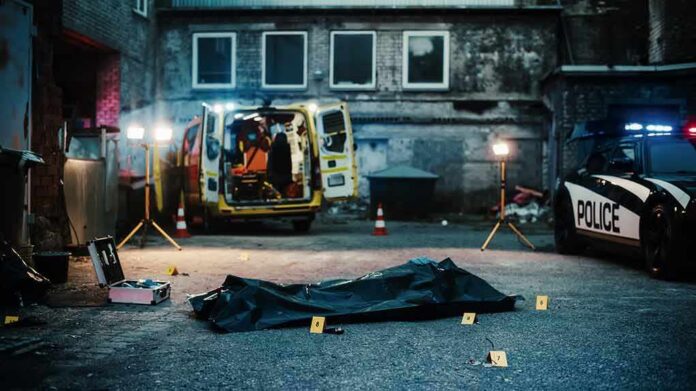
Las Vegas city records and news reports say 41-year-old maintenance worker Joey McLean was shot and killed on June 12 by his coworker, 31-year-old Brysen Kim, at a downtown city maintenance yard. Police say the men argued, Kim pulled a gun, and McLean was shot near 7th Street and Stewart Avenue. A grand jury later indicted Kim on murder charges, and he has pleaded not guilty and is waiting for trial. Both men worked for the city’s public works department.
Months before the shooting, McLean sent human resources a detailed email describing “escalating events” with Kim, saying Kim outweighed him by about 60 pounds, acted unpredictably and aggressively, and carried a concealed weapon. In that complaint, McLean warned that his fear was based on specific facts and wrote that he was “afraid for my life,” asking to be “completely separated” from Kim. Separate records show he urgently asked for a transfer to another work site, calling the situation “urgent” and begging the city to “be flexible and help.”
HR complaints went both ways, but separation never really happened
City documents and media reports show the conflict was not one-sided; Kim also complained about McLean. Kim told management that McLean was harassing him and making their work environment “very uncomfortable and toxic,” including messages after hours that attacked his religion, marriage, and lifestyle. Police and prosecutors later described a “six-month, ongoing argument” between the two men, with human resources pulled into repeated disputes on both sides. The feud started around February and never cooled down before the shooting.
The city did take some steps, but they were limited. After a February confrontation, management put McLean on paid leave and deactivated his work badge for a time. McLean asked to be transferred, but one request was reportedly denied because a contract tied him to that job site until year-end. Kim also asked to be moved off McLean’s team, including a request just four days before the shooting, but he remained in the same general system. Records suggest discipline was mild, with at least one complaint ending in only a written reprimand.
Did HR miss clear warning signs — and could this have been prevented?
Critics point to McLean’s written phrase “I am afraid for my life” and his claims that Kim carried a gun and stalked him off the clock as clear danger signs that called for stronger action. Occupational safety guidance from the federal government treats threats, stalking, and intimidation as known warning signs for workplace violence and urges managers to act quickly when employees feel someone may be dangerous. Here, the city had months of complaints, transfer requests, and specific gun concerns, yet the men were never fully separated.
Supporters of the city’s handling say officials faced a messy, mutual dispute rather than a simple victim–aggressor story. They argue human resources saw two workers trading accusations, both claiming harassment and fear, which made it harder to judge who posed the greater risk. So far, public documents do not show that city leaders received a direct, verified threat from Kim to kill McLean before June 12. That leaves the core question unsettled: did officials clearly know this feud was likely to end in murder, or only that it was a serious but confusing conflict?
Why this case hits a nerve far beyond Las Vegas
For many Americans, this story feels like one more example of government systems that react on paper but fail in practice. Workers did what they are told to do: they documented problems, went to human resources, and followed the rules. Yet one man is dead, another faces life-changing charges, and the city is now “investigating” what its own offices already had in writing for half a year. That kind of slow-motion failure feeds the growing belief that the bureaucracy protects itself more than it protects regular people.
Months before he was fatally shot by a coworker at a city of Las Vegas maintenance yard office, Joey McLean warned human resources that the employee who would later kill him was armed at work, according to newly released public records.
FULL STORY: https://t.co/Y5JqiYmFep pic.twitter.com/c4n7vOyTr8— Las Vegas Review-Journal (@reviewjournal) July 27, 2026
Both conservatives and liberals can see their worries in this case. People who distrust the “deep state” see city officials downplaying real danger, then turning to legal language after tragedy. People who fear workplace abuse see how threats, stalking, and guns can slip through gaps in policy and contracts. Whatever your politics, the core issue is simple: when an employee says, in writing, “I am afraid for my life,” a government that claims to serve the people has a duty to act like it believes him — not six months later at a crime scene, but right away, when there is still time to keep everyone alive.
Sources:
nypost.com, reviewjournal.com, dailymail.com, radaronline.com, youtube.com, news3lv.com, foxnews.com
© patriotpostnews.com 2026. All rights reserved.