
California lawmakers just left the door open for registered child sex offenders to run for school board or city council, and they did it in the name of “fairness” and legal nuance.
Story Snapshot
- A bill to bar all registered sex offenders from public office in California, AB 2753, was killed in a Senate committee after intense debate over its scope.
- The bill grew out of public outrage when Rene Campos, a registrant convicted of child sex abuse material possession, tried to run for Fresno City Council.
- Democratic Senator Scott Wiener led resistance, arguing the ban was too broad and should only cover lifetime registrants, known as Tier 3.
- Lawmakers advanced a weaker bill that still allows even some felony child sex offenders, including rapists, to run for key offices.
How One Local Race Sparked a Statewide Fight
Assemblywoman Esmeralda Soria introduced AB 2753 after Fresno residents learned that Rene Campos, a registered sex offender convicted in 2018 for possessing child sex abuse material, was trying to run for city council. She told voters there is currently no California law that blocks registrants from seeking local or state office if they meet other basic requirements. Soria said she promised her community she would act so they would not have to watch someone with a child sex crime history campaign for power again.
The bill was simple on its face. It would forbid anyone required to register as a sex offender from running for or holding public office in California, whether at the city, county, school board, or state level. That means it covered all three tiers in the state’s registry system, from lower-level offenses up to serious crimes such as rape and child sex trafficking. Fresno City Council President Nelson Esparza traveled to Sacramento to back the bill, saying residents deserved to know such offenders could not appear on their ballots.
Why California Senators Stopped the Bill
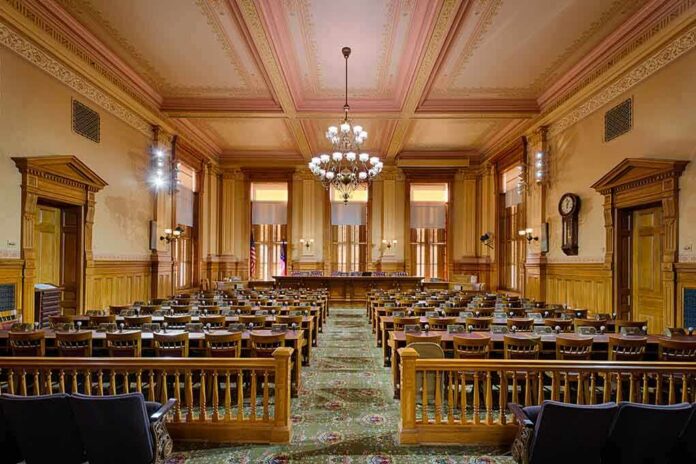
When AB 2753 reached the Senate Elections and Constitutional Amendments Committee, the debate shifted from the horror of child sex abuse to legal lines and edge cases. Committee chair Scott Wiener, a Democrat, said he would only support the bill if it applied to Tier 3 offenders, the lifetime registrants tied to the most severe crimes. He and others warned that California’s registry can include “Romeo and Juliet” cases, where young people close in age have consensual sex but still end up on the list.
Under current law, judges can require registration for a range of cases, and some critics say that makes registration an imperfect signal of ongoing danger. Supporters of AB 2753 argued that anyone on the registry has already been found to have broken serious boundaries, and public office should demand a higher standard of trust. Opponents did not dispute the Campos case or the lack of a current ban. Instead, they focused on rights concerns and argued that a blanket rule could unfairly strip some people of a chance at civic redemption.
What Lawmakers Did Instead — And Why It Alarms Voters
In a near-tie vote, Soria refused Wiener’s offer to narrow the bill to Tier 3, saying that would not fully protect communities from known offenders. With no compromise, senators voted down AB 2753, which means registered sex offenders and people convicted of serious child sex crimes can still run for city council, school board, and even the state legislature. A weakened bill by Assembly Member Don Addis moved forward instead, specifically allowing some felony child sex crime convicts, including rapists, to seek office.
Campos later claimed the bill was used as a “political weapon” against him, adding another layer of distrust to a system many already see as run by elites who protect their own. For regular voters, the message is harsh. California already limits where sex offenders can live, whether they can own guns, and even whether they can adopt or foster children. Yet when it comes to who can write the laws, sit on school boards, or manage public money, lawmakers chose to keep the bar low and the doors open.
What This Fight Reveals About Power and Public Safety
This clash fits a larger pattern that worries people across the political spectrum: a single disturbing case finally forces action, but the system bends back toward protecting the rights of offenders more than the safety fears of families. Since 2010, only a few registered sex offenders have even tried to run for office in California, and none have won. That low number lets lawmakers say the risk is rare, but it also raises a hard question: if the problem is small, why is it so difficult to draw a firm line in defense of kids?
Conservatives see another example of a progressive legal culture that will not fully prioritize victims of sexual abuse. Many liberals, especially parents and community advocates, are equally frustrated that “technical” debates about tiers and edge cases keep blocking clear guardrails. Both sides share a growing belief that the political class is more focused on avoiding lawsuits, protecting colleagues, and managing optics than on defending children from people already found guilty of sex crimes. The fate of AB 2753 will likely fuel that anger as lawmakers return from summer recess and decide whether to try again.
Sources:
redstate.com, fresnobee.com, instagram.com, facebook.com, reddit.com, selc.senate.ca.gov, calmatters.digitaldemocracy.org, calvoter.org
© patriotpostnews.com 2026. All rights reserved.