Illinois’ sanctuary policies are under national fire after a migrant suspect allegedly dragged an ICE officer with his car—prompting accusations that Democrat leaders care more about illegal immigrants than law enforcement, and revealing a dangerous clash over public safety and the rule of law.
Story Snapshot
- ICE Deputy Director Madison Sheahan sharply criticized Governor JB Pritzker and Illinois Democrats for siding with illegal immigrants over law enforcement after a violent incident near Chicago.
- An ICE officer was seriously injured and a migrant suspect killed during an arrest attempt, intensifying scrutiny of sanctuary policies that restrict federal-local cooperation.
- The dispute has exposed deep constitutional tensions between federal authority and state sovereignty, with both sides demanding accountability and transparency.
- Ongoing ICE operations targeting criminal illegal immigrants in Chicago continue to face resistance from state and local officials, fueling national debate over immigration enforcement and public safety.
ICE Confronts Illinois Leadership Over Officer Assault and Sanctuary Policies
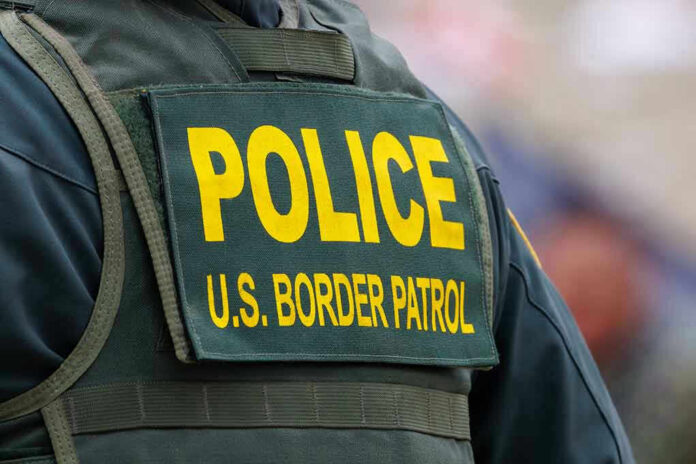
Federal-local tensions erupted after an ICE officer was seriously injured during an attempted arrest of Silverio Villegas-Gonzalez, a migrant suspect, near Chicago. According to ICE, Villegas-Gonzalez allegedly dragged the officer with his vehicle, leading to the suspect’s fatal shooting by law enforcement. ICE Deputy Director Madison Sheahan publicly rebuked Illinois Governor JB Pritzker and other Democrats, charging that their policies and rhetoric prioritize illegal immigrants over officer safety and undermine law enforcement efforts. Sheahan’s comments came amid “Operation Midway Blitz,” a federal crackdown targeting criminal illegal immigrants in the Chicago area.
The confrontation sharpened after Governor Pritzker demanded transparency from ICE, claiming the agency failed to provide details about the incident. Pritzker and Chicago Mayor Brandon Johnson, both vocal defenders of sanctuary policies, expressed concern over what they described as reckless, militarized immigration enforcement. Sheahan countered by accusing state and local leaders of “taking the sides of these criminal illegal aliens who put our people in harm’s way,” insisting that ICE’s operations are transparent and necessary to protect the public. The ICE agent injured in the incident has since returned home, while the federal operation in Chicago continues despite persistent pushback from local officials.
Sanctuary Policies and the Erosion of Law Enforcement Authority
Illinois and Chicago have a long history of “sanctuary” policies that limit cooperation with federal immigration enforcement, often refusing to honor ICE detainers or share information about criminal aliens. These policies, strengthened under previous Democratic administrations, are now under renewed scrutiny as violent incidents involving illegal immigrants spark public outrage. Law enforcement experts warn that lack of federal-local cooperation creates dangerous conditions for officers and emboldens suspects to resist arrest. ICE officials argue that sanctuary rules shield dangerous criminals and threaten community safety, while supporters claim such policies build trust with immigrant residents and protect civil liberties.
The incident follows a series of high-profile crimes by undocumented immigrants, including the recent death of Katie Abraham in a hit-and-run, which served as a catalyst for the current federal operation. Similar ICE enforcement campaigns in other sanctuary cities have led to protests, legal battles, and accusations of excessive force or lack of transparency. The ongoing dispute in Illinois highlights mounting concerns among conservatives about government overreach, erosion of constitutional protections, and the prioritization of political agendas over the rule of law and family safety.
Broader Implications for Federalism, Public Safety, and Political Accountability
This confrontation exposes the constitutional tug-of-war between federal authority and state sovereignty, especially on immigration enforcement. The dispute escalates at a time when national attention is fixed on border security, illegal immigration, and rising crime tied to weak enforcement. Short-term, the clash has heightened scrutiny of ICE operations and deepened mistrust between federal and local agencies. Long-term, it could drive policy reforms that either restore cooperation protocols or further entrench sanctuary policies. Law enforcement, immigrant communities, and families of victims all stand at the intersection of these decisions, while political leaders on both sides leverage the issue for broader debates on government accountability, public safety, and the American constitutional framework.
The public dispute has also become intensely personal, with direct accusations and televised rebukes. Law enforcement advocates warn that undermining federal immigration efforts sends a dangerous message to criminals and demoralizes officers risking their lives. Advocates for immigrant protections, meanwhile, argue that aggressive enforcement erodes trust and civil liberties. With no independent third-party investigation results released yet, calls for transparency and accountability remain at the forefront—and the ongoing operation in Chicago will likely serve as a battleground for the nation’s next chapter in the immigration debate.
Sources:
ICE Deputy Director Madison Sheahan on Fox & Friends
ICE rips Pritzker for ‘siding with criminal illegal alien’ after officer dragged, suspect shot dead
ICE agents break car window to arrest resisting illegal immigrant
ICE rips Pritzker for siding with criminal illegal alien after officer dragged, suspect shot dead