
North Korea’s plan to send 30,000 additional troops to assist Russia in Ukraine marks a dangerous escalation that could fundamentally alter the course of the conflict and threaten Western security interests.
Key Takeaways
- North Korea is preparing to triple its military presence in Ukraine by sending 30,000 more troops to support Russian operations
- This deployment will support Russia’s planned large-scale offensive operations, potentially near Ukraine’s Sumy region
- Russia’s Ministry of Defense claims it can fully equip and train the North Korean forces despite ongoing resource challenges
- Approximately 600 North Korean soldiers have already been killed and thousands wounded in the conflict
- The expanded military alliance between Russia and North Korea represents a significant challenge to NATO and U.S. interests
North Korea’s Military Surge in Ukraine
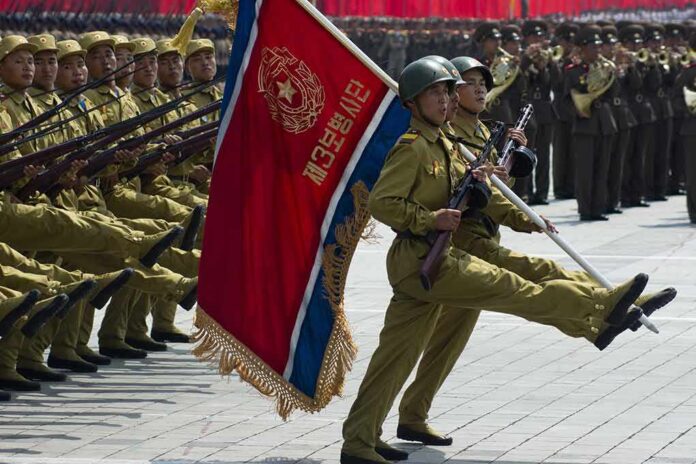
North Korea is preparing to send 30,000 additional troops to support Russia’s invasion of Ukraine, tripling its current military contribution. This dramatic escalation follows an earlier deployment of nearly 12,000 North Korean soldiers to assist Russian forces in the Kursk region. Intelligence reports indicate that these reinforcements are intended to bolster large-scale offensive operations along multiple sections of the frontlines. The deployment coincides with increased activity at North Korea’s Sunan airport, where large ships and cargo aircraft have been observed arriving, mirroring patterns seen during last year’s initial troop deployment.
This military cooperation represents a significant deepening of ties between Pyongyang and Moscow, as both nations seek to counter Western influence. Russia’s Ministry of Defense has confidently stated it can provide all necessary training, equipment, weapons, and ammunition for the North Korean forces. This claim comes despite Russia’s well-documented struggles with military supplies and the ongoing sanctions regime targeting both countries. The partnership benefits both authoritarian regimes, with North Korea gaining military technology and economic support while Russia receives desperately needed manpower.
North Korea is set to significantly increase its military support for Russia’s war against Ukraine by deploying an additional 25,000 to 30,000 soldiers, potentially tripling its current troop presence.https://t.co/fUjAbVy4Kb
— The New Voice of Ukraine (@NewVoiceUkraine) July 2, 2025
Russia’s Strategic Offensive Plans
Intelligence reports indicate that Moscow is actively preparing for a major assault on Ukrainian territory, potentially focusing on the Sumy region. Russian forces have reportedly amassed approximately 50,000 troops along the border with Sumy, with apparent plans to establish a security buffer zone. This buildup, combined with the incoming North Korean reinforcements, suggests a coordinated strategy to overwhelm Ukrainian defenses. The addition of 30,000 North Korean troops would significantly enhance Russia’s offensive capabilities at a time when President Trump’s administration is reassessing America’s support for Ukraine.
South Korea’s National Intelligence Service (NIS) has independently confirmed North Korea’s plans to deploy additional troops and weapons to Russia. This intelligence alignment between Western allies and South Korea underscores the credibility of these reports. Ukrainian intelligence services have also documented the movement of North Korean personnel and equipment toward the conflict zone. The strategic timing of this deployment appears calculated to capitalize on perceived Western hesitation and Ukraine’s ongoing struggles with military resources and manpower shortages.
Human Cost and Broader Implications
The human toll of North Korea’s involvement has already proven significant, with approximately 600 North Korean soldiers killed and thousands more wounded in combat operations. Despite these casualties, North Korean leader Kim Jong Un has publicly celebrated the military partnership with Russia and even paid tribute to fallen soldiers, shedding tears at a recent ceremony. This unusual public display of emotion highlights the importance Kim places on this alliance, despite the substantial human cost to his military forces.
The deepening military cooperation between Russia and North Korea represents a concerning development for global security. This alliance not only provides Russia with additional manpower for its Ukraine invasion but also offers North Korea valuable battlefield experience and potential access to advanced Russian military technology. For the American homeland, this partnership between two nuclear-armed adversaries presents a challenging security environment. President Trump’s administration now faces the complex task of formulating a response that protects U.S. interests while preventing further escalation in a conflict that increasingly features direct involvement from America’s geopolitical rivals.