Albanian opposition protesters hurled Molotov cocktails at Prime Minister Edi Rama’s offices in Tirana, escalating political tensions to dangerous new heights in the Balkan nation.
Story Snapshot
- Democratic Party supporters launched violent protests outside PM Edi Rama’s offices in Tirana
- Molotov cocktails were thrown at government buildings, creating flames and chaos
- Police forces deployed to contain the escalating demonstrations
- The incident represents a significant escalation in Albania’s political opposition tactics
Violence Erupts in Albania’s Capital
Monday evening transformed Tirana’s government district into a battleground as Democratic Party supporters launched a coordinated assault on Prime Minister Edi Rama’s offices. The protesters crossed a critical line by weaponizing incendiary devices, turning what could have been peaceful political demonstration into a dangerous confrontation that threatened both property and lives.
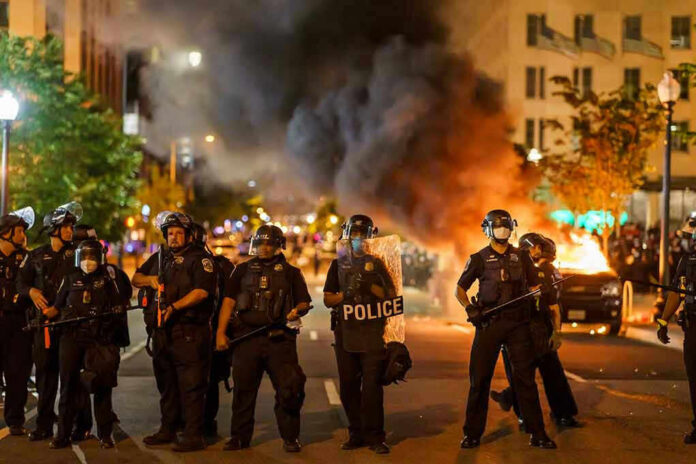
Police forces scrambled to establish control as flames erupted outside the prime minister’s offices. The sight of Molotov cocktails arcing through the evening air marked a troubling escalation in Albanian political discourse, where disagreement has devolved into outright violence against state institutions.
Democratic Opposition’s Dangerous Gambit
The Democratic Party’s decision to allow or encourage such violent tactics reveals a concerning willingness to abandon democratic norms. When political parties resort to firebombs rather than ballot boxes, they undermine the very foundation of representative government that their constituents depend upon for peaceful resolution of disputes.
This calculated aggression against government property crosses established boundaries of legitimate protest. While citizens possess fundamental rights to express dissent, those rights cannot extend to arson and violence against public institutions. The flames outside Rama’s offices represent more than burning cocktails – they symbolize the combustion of civilized political engagement.
Balkan Instability Concerns
Albania’s violent political demonstrations echo troubling patterns throughout the Balkans, where democratic institutions remain fragile decades after communist rule ended. The region’s history demonstrates how quickly political violence can spiral into broader instability, threatening the progress these nations have made toward European integration and democratic governance.
Prime Minister Rama’s government now faces a critical test of its ability to maintain order while preserving democratic freedoms. The response to Monday’s violence will signal whether Albanian institutions possess the strength to withstand extremist pressure from opposition forces willing to employ terrorist tactics against elected officials.