Washington’s refusal to fund the Department of Homeland Security is now colliding with basic public-safety readiness—exactly when Americans expect the federal government to do its most fundamental job.
Story Snapshot
- A DHS-only shutdown began Feb. 14, 2026, after a broader short shutdown (Jan. 31–Feb. 3) and failed stopgap votes tied to immigration enforcement disputes.
- Available reporting centers on appropriations and immigration reforms after the Jan. 24, 2026, killing of Alex Pretti by CBP agents; the research does not substantiate an Iran-linked terror-response breakdown.
- DHS suspended Global Entry on Feb. 22 and briefly halted TSA PreCheck before reversing that same day; other non-essential services, including some FEMA functions, were paused.
- Most fee-funded immigration services continued operating, limiting some impacts while other DHS missions faced staffing and program strain.
What the 2026 DHS Shutdown Actually Is—and What It Isn’t
Congress allowed DHS funding to lapse on Feb. 14, 2026, creating a department-specific shutdown after a short, broader federal shutdown ended Feb. 3. The best-sourced accounts tie the standoff to immigration enforcement and CBP reforms following the Jan. 24 killing of Alex Pretti by CBP agents, not to any documented escalation with Iran. That distinction matters: the provided research does not show direct evidence that Iran-related threats drove shutdown decisions or outcomes.
Legislative sequencing played a major role. The House passed the final six appropriations bills on Jan. 22, but the Senate failed to advance a package on Jan. 29, producing a deal for five bills plus a two-week DHS continuing resolution. Another DHS stopgap was blocked on Feb. 12, and Congress recessed with no vote scheduled before members returned. In practical terms, DHS was left to triage programs while the political fight continued.
Services Hit First: Trusted Traveler Programs, Airports, and FEMA Limits
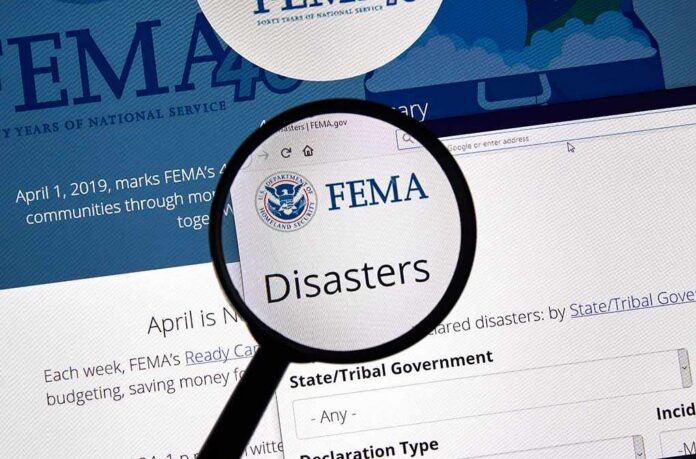
DHS impacts landed on programs Americans actually feel. On Feb. 22, DHS suspended Global Entry, a move that tends to ripple into longer international arrival lines and higher pressure on processing staff. TSA PreCheck was also halted but reversed the same day, illustrating how unstable operations become when leadership is forced into daily crisis management. Separate reporting also described pauses in courtesy airport escorts and limits on certain non-disaster FEMA responses during the lapse.
Not every DHS function stops in a shutdown, but the strain is real. Essential personnel keep working, often without pay during a lapse, while non-essential staff may be furloughed. Even when backpay is expected after reopening, families still face immediate household uncertainty. The longer a shutdown lasts, the more likely it becomes that training pipelines, procurement timelines, and administrative support backlogs start degrading operational readiness across the department’s sprawling footprint.
The Political Fault Lines: Immigration Enforcement, Spending Hawks, and Leverage
The record presented in the research points to a familiar Washington pattern: immigration becomes the pressure point, and the public absorbs the consequences. Democrats opposed DHS funding without enforcement limits and reforms following the Pretti incident, while Republicans faced internal divisions driven partly by fiscal conservatives demanding spending restraint. That combination—Democratic leverage plus GOP fragmentation—made it harder to produce a clean funding vote, even though DHS is central to border security and domestic protection missions.
Process questions also mattered. With Congress recessed, timelines for returning to vote were constrained by notice rules, making a quick fix harder even if negotiators reached agreement. That reality undercuts the idea that shutdowns are “contained” events. When lawmakers leave town without a funding path, federal agencies do not pause threats or disasters on a convenient calendar. They ration resources, postpone non-essential work, and hope a temporary operating posture does not become a new normal.
Does the Shutdown Prove Terror Response Is “Hampered”? The Evidence Is Limited
Some commentary framed the shutdown as a risk to public safety, citing potential impacts on law enforcement support, airport operations, and delayed disaster aid. Those risks are plausible in the general sense because DHS houses mission-critical components, but the research set provided does not document a specific terror incident that went unanswered, nor does it establish a confirmed link to an Iran conflict driving operational failure. The clearest documented effects remain program suspensions and service slowdowns.
For voters who watched years of inflation, spending fights, and political theater erode trust, the lesson is straightforward: funding core security functions should not be treated as a bargaining chip. The available sources show a shutdown triggered by appropriations and immigration disputes, with tangible disruptions to traveler programs and some emergency-management services. What they do not show is a verified Iran-related terror-response breakdown—meaning readers should separate proven operational impacts from broader speculation when judging the stakes.
Sources:
January 2026 Partial U.S. Government Shutdown Takes Effect
2026 United States federal government shutdowns
Government Shutdown Resources 2026