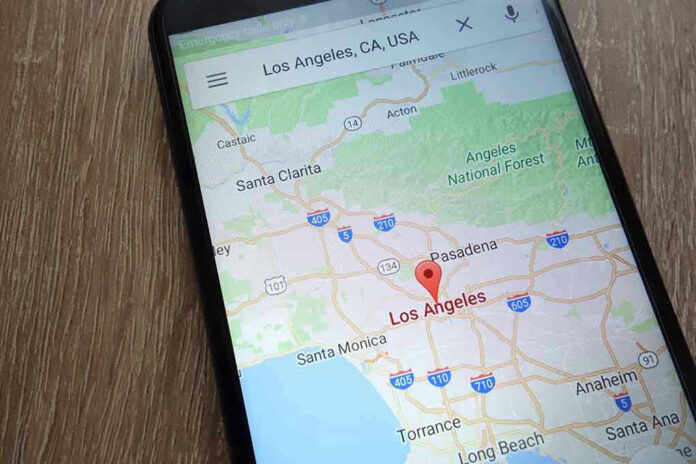
Even with GPS turned off, your smartphone tracks your every move, leaving privacy in peril.
Story Snapshot
- Smartphones track locations via Wi-Fi, Bluetooth, and sensors, not just GPS.
- Users can clear some logs, but hidden data remains accessible to tech companies.
- Privacy concerns grow as updates to iOS and Android provide limited control.
- Regulators and researchers push for greater transparency and user control.
Hidden Tracking Methods Revealed
Modern smartphones track user locations through various channels that go beyond the visible GPS indicator. Even when GPS is disabled, devices can log and share location data using Wi-Fi, Bluetooth, cellular networks, and onboard sensors. This hidden tracking can occur through methods like sensor fusion and network triangulation, which are often invisible to users. These practices raise significant privacy concerns and highlight the gap between perceived and actual privacy.
Efforts to Enhance User Privacy
In response to increasing public awareness and regulatory scrutiny, Apple and Google have introduced new privacy features in their operating systems. These updates offer more granular location permissions and transparency reports. However, technical loopholes persist, allowing some location logs to remain hidden or difficult to erase. Users can clear certain logs, such as “Significant Locations” on iPhones or “Location History” on Android devices, but Wi-Fi, Bluetooth, and sensor data may continue to be collected and stored.
The introduction of these features reflects a growing demand for transparency and user control over personal data. Despite these efforts, tech companies continue to balance user privacy with business models reliant on location data for advertisements and analytics.
Regulatory Actions and Future Implications
Regulators are increasingly focused on protecting consumer privacy rights, with potential for new legislation aimed at enhancing transparency and control over personal data. This could lead to stricter regulations on how tech companies collect and handle location data. In the short term, more users are becoming aware of their devices’ tracking capabilities and are taking steps to clear location logs. In the long term, pressure will likely mount on tech companies to improve transparency and controls, potentially affecting location-based advertising and analytics industries.
Security researchers and privacy advocates continue to push for greater user control over all forms of location data. As the debate over digital privacy evolves, the balance between technological advancement and individual rights remains a contentious issue, especially for those at higher risk from covert tracking, such as activists and journalists.
Sources:
Princeton Engineering (PinMe research)
Ask.com (tracking methods overview)
FindMyKids.org (user guides for clearing logs)
Cybernews (tracking methods and privacy tips)