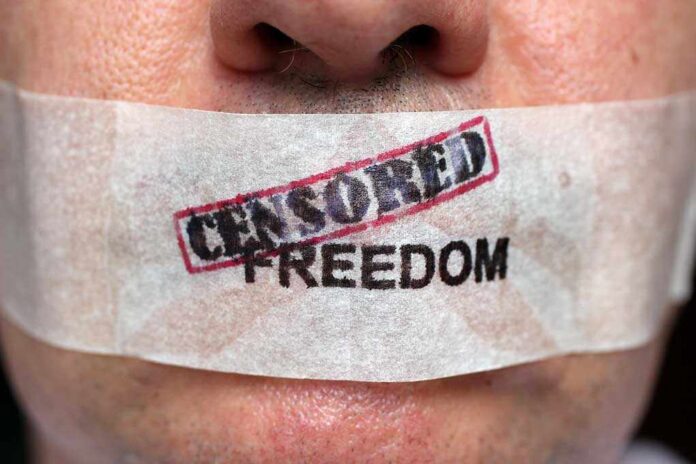
California Democrats are facing fresh backlash after a bill critics say could punish citizens and journalists for exposing taxpayer-funded misconduct.
Quick Take
- Independent journalist Nick Shirley released a Sacramento Capitol video pressing lawmakers about California Assembly Bill 2624, dubbed by critics the “Stop Nick Shirley Act.”
- Supporters say the proposal protects immigration support workers from doxxing, harassment, and violence; opponents argue it risks chilling investigative reporting.
- Reports say the bill would create a confidentiality program using substitute addresses and carries potential penalties including a $10,000 fine and up to one year in jail.
- AB 2624 has cleared early committee steps but remains in committee and is not law.
A confrontation video puts AB 2624 into the national spotlight
Nick Shirley, an independent journalist known for confrontational, on-the-ground investigations, published video from the California state Capitol showing him questioning Democratic and Republican lawmakers about Assembly Bill 2624. The measure has been branded the “Stop Nick Shirley Act” by Republican Assemblyman Carl DeMaio, and the label has stuck in coverage. The exchange matters because it pushes a technical state policy debate—privacy versus transparency—into a broader public fight over whether government can deter scrutiny.
State Sen. Sasha Renée Pérez, a Democrat, is quoted acknowledging critics’ concerns while disputing their read of the bill, saying she was willing to talk more and that she did not think AB 2624 violates the First Amendment. Other Democrats confronted in the reporting include state Sen. Scott Wiener and Assemblymember Josh Lowenthal, who told Shirley he needed to read the bill. The available reporting captures sharp rhetoric and defensiveness, but it does not independently verify intent beyond the lawmakers’ statements.
What the bill reportedly does—and why penalties drive the outrage
Coverage describes AB 2624 as establishing a confidentiality program tied to immigration support services providers, including substitute addresses assigned through the California Secretary of State. The most politically explosive detail is enforcement: reports say violations could bring criminal penalties, including fines up to $10,000 and as much as a year in jail. That combination—confidentiality plus criminal exposure—explains why critics frame the proposal as more than a narrow safety measure, especially in a state already criticized for opaque governance.
DeMaio’s criticism centers on the claim that the bill would let activists and taxpayer-funded organizations demand removal of video evidence, even when it captures misconduct in public view, while exposing journalists to major financial penalties. Supporters, led by bill author Assemblywoman Mia Bonta, argue the aim is protecting people who are “harassed, doxed, subjected to violence.” Those positions are not equal in evidentiary support from the provided sources because no independent legal analysis is cited; what’s clear is both sides are talking past each other.
The deeper conflict: protecting workers while keeping taxpayers informed
AB 2624 lands in the middle of a long-running American argument: privacy and personal safety versus public accountability—especially when government money is involved. Shirley’s rise is tied to videos alleging fraud in government-funded programs, and the reporting connects his work to recent claims involving hospice and home health billing. That context helps explain why conservatives see the bill as an attempt to clamp down on exposure after embarrassing headlines, while liberals emphasize the real risk of harassment for frontline workers.
The research also underscores why the “deep state” critique resonates across the aisle. When laws are written in ways ordinary people struggle to parse, enforcement threats feel one-sided: bureaucracies keep operating, while individuals face penalties for filming, posting, or probing. At the same time, the strongest pro-bill argument is straightforward: if workers are being doxed or threatened, government has a legitimate role in protecting them. The key question is whether AB 2624 is narrowly tailored or broad enough to discourage lawful journalism.
Status and what to watch as the bill moves through Sacramento
Reporting indicates AB 2624 has advanced through the Assembly’s Privacy and Consumer Protection and Judiciary committees and remains in committee, not enacted. Mia Bonta has said there are “no provisions related to journalism of fraud,” while opponents argue the practical effect would be to deter investigations in and around taxpayer-funded organizations connected to immigration support services. With no court ruling and limited third-party legal review cited in the sources provided, the next meaningful datapoints will be amendments, committee analyses, and any clarifying guidance on protected newsgathering.
SHOCKING 10-MINUTE VIDEO: California Democrats LIE, DODGE, and Play Dumb When Independent Journalist Nick Shirley Confronts Them Over the ‘Stop Nick Shirley Act’ https://t.co/KJ3qrEmCmB #gatewaypundit via @gatewaypundit
— Deen Coldwell III (@deen_iii) April 21, 2026
For voters already frustrated by inflation-era spending habits, rising costs, and distrust in institutions, AB 2624 is a test of whether California’s one-party leadership can balance safety with transparency without threatening speech. For Democrats, the optics problem is immediate: lawmakers insisting the bill is harmless while critics spotlight jail time and fines. For conservatives, the policy test is equally direct: if fraud exposure triggered federal enforcement actions, any move that chills scrutiny will be read as protecting the powerful, not the public.
Sources:
WATCH: Nick Shirley confronts California Dems trying to criminalize exposing fraud
CA bill nicknamed ‘Stop Nick Shirley Act’ raises concerns about limiting journalism, fraud